St. Hippolytus Parish Church
The oldest structure in Zell am See, this church guards a secret beneath its Romanesque and Gothic layers.
Full story unlocks in the tour
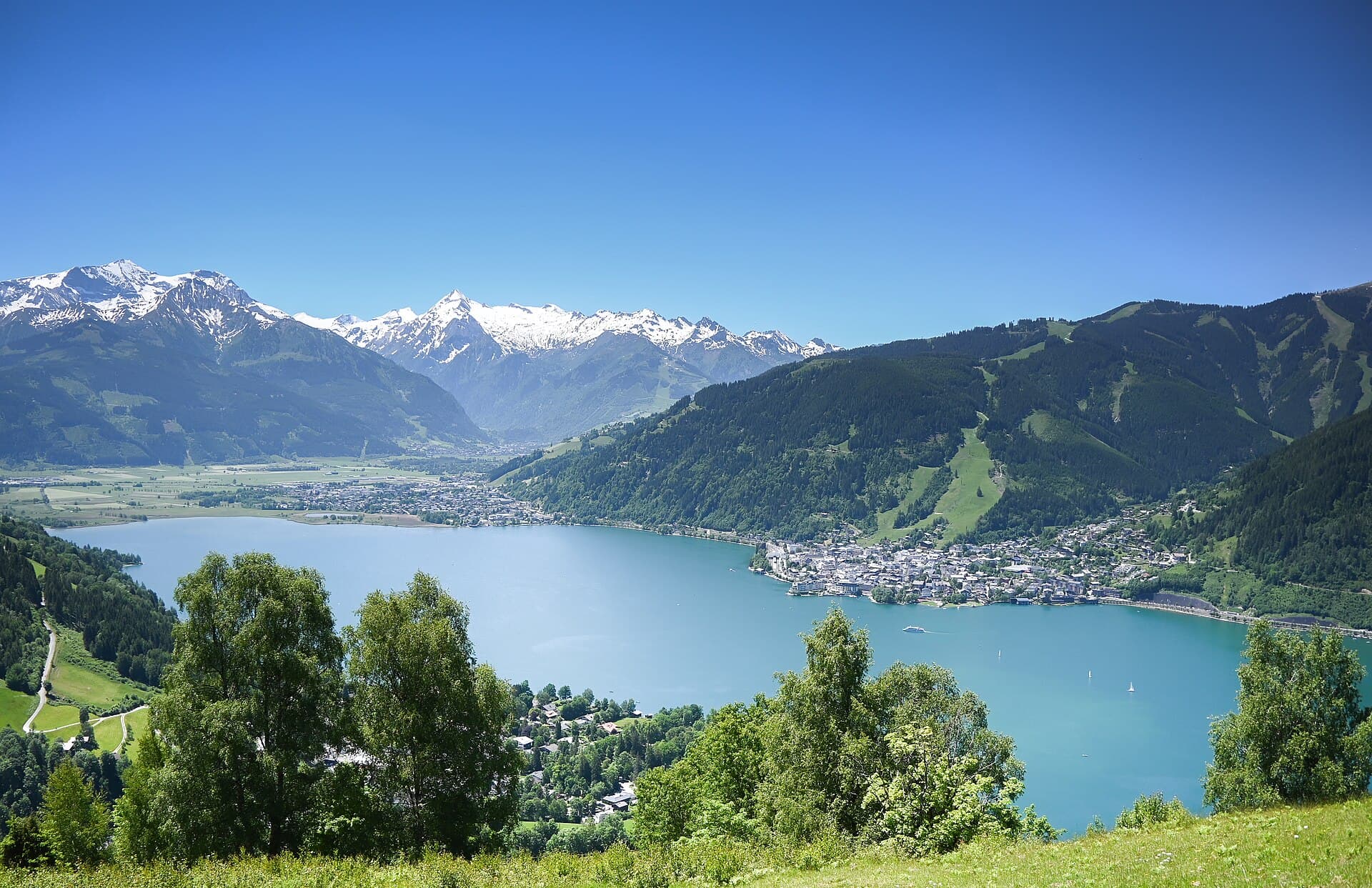 Bestzeller / Public domain, via Wikimedia Commons
“Alpine peaks greet crystal waters, a year-round symphony of nature and enduring legacy.”
Not the postcards. The stories even locals don't know — whispered in your ear, right where they happened.
The oldest structure in Zell am See, this church guards a secret beneath its Romanesque and Gothic layers.
This Belle Époque hotel, an emblem of lakeside grace, once served a surprising, if temporary, academic purpose.
The historic narrow-gauge railway, linking Zell am See to Krimml, once employed a unique method for moving standard-gauge freight.
Discover every secret of Zell am See
Every address, every reveal in full — in your ear, right where it happened.
You pick your stops. You walk. The voice reveals what the others miss.
No tours available yet. Check back soon — we're preparing them.
Zell am See, a town in the Austrian state of Salzburg, offers a compelling blend of alpine grandeur and lakeside serenity. Resting at the foot of the Schmittenhöhe mountain and along the shores of Lake Zell, the town is a year-round destination, drawing visitors with its clear waters, crisp air, and dramatic mountain scenery.
The town's compact old quarter, with its inviting streets and historic buildings, provides a pleasant counterpoint to the expansive natural landscape. From leisurely walks along the lake promenade to exhilarating excursions into the surrounding Alps, Zell am See caters to a diverse range of interests.
Whether seeking adventure on the ski slopes or tranquility by the water, Zell am See presents itself as a captivating escape, a place where the beauty of Austria's natural environment is readily accessible and deeply intertwined with its cultural heritage.
The origins of Zell am See trace back to the early Middle Ages, around 740 AD, when monks, at the behest of Archbishop Johannes I of Salzburg, established a settlement. It was initially known by the Latin name 'Cella in Bisonzio,' referring to a monastic cell in the Pinzgau region, which eventually evolved into the town's current name.
For centuries, the town's development was deeply influenced by the church. The Church of St. Hippolytus, the oldest building in Zell am See, dates back to the 10th century and displays a blend of Romanesque and Gothic architectural styles. Zell am See was granted the rights of a market town in 1357.
A significant turning point for Zell am See came with the opening of the Giselabahn railway line in 1875, connecting Salzburg with Tyrol. This new accessibility ushered in an era of tourism, attracting the first visitors to the region. The late 19th century saw a construction boom, including the establishment of the Grand Hotel on the lakeshore in 1896, marking the beginning of luxury recreation in the area. Empress Elisabeth ('Sissi') and Emperor Franz Joseph I were among the notable figures who visited Zell am See during this period, solidifying its reputation as a favored resort for European aristocracy.
Zell am See officially achieved city status in 1928, a period also marked by the launch of the Schmittenhöhe cable car, the first passenger cable car in the state of Salzburg. Following World War II, tourism experienced another significant upswing, with the development of winter sports and the construction of numerous lifts and cable cars on the Schmittenhöhe. Today, Zell am See, in cooperation with the neighboring municipality of Kaprun, forms a major year-round tourist destination, attracting millions of overnight stays annually.
Begin your exploration with a leisurely walk along the pedestrian Esplanade of Lake Zell, offering views of the surrounding mountains. You can also take a boat tour on the lake, with options ranging from panorama cruises to historic vessels.
In the compact Old Town, visit the Church of St. Hippolytus, the oldest building in the town, with parts dating back to the 10th century and displaying Romanesque and Gothic architecture. Nearby, the Vogtturm tower, an 11th-century structure, houses a local history museum. Rosenberg Castle, built in 1583, now serves as the town hall and is a popular wedding venue.
For expansive views, take the cable car up Schmittenhöhe mountain, which offers hiking trails in summer and ski slopes in winter. Another impressive mountain experience is Gipfelwelt 3000 on the Kitzsteinhorn Glacier, accessible by cable car, featuring viewing platforms and tunnels carved into the glacier. For a natural wonder, explore the Sigmund Thun Gorge near Kaprun, where boardwalks lead through a dramatic canyon carved by water.
Consider a ride on the Pinzgauer Lokalbahn, a narrow-gauge railway that offers a scenic journey through the Pinzgau region to Krimml, known for its spectacular waterfalls.
Zell am See offers distinct experiences across its four seasons. For warm-weather activities like hiking, swimming, and water sports on Lake Zell, the best time to visit is from early July to late August, when temperatures are mild and the sky is often clear. The lake water can reach a pleasant 23°C in summer.
Winter, from December to March, transforms Zell am See into a ski paradise, with cold temperatures and consistent snowfall. Skiing on the Kitzsteinhorn glacier can even start as early as mid-October. Spring (March to May) brings thawing snow, blossoming meadows, and fewer crowds, ideal for tranquil walks. Autumn (September to November) offers crisp air, vivid foliage, and excellent hiking opportunities before the first significant snowfalls.
Zell am See is easily accessible by train, with direct connections from major cities like Salzburg, Innsbruck, Graz, Vienna, Zurich, and Munich. If flying, Salzburg Airport is approximately 90 minutes away by direct train.
The town center is compact and walkable, and a promenade extends along the lake. For exploring the wider region, public transport options are available. The Zell am See-Kaprun Card, often provided by participating accommodations, offers discounts on local attractions and transport.
Shops generally operate from 9 AM to 6 PM or 7 PM on weekdays, and until 5 PM or 6 PM on Saturdays. Restaurant hours typically run from noon to 10 PM. It's advisable to check specific opening times, especially during low season. Tourist information centers in Zell am See and Kaprun can provide assistance with planning, routes, and events.