Old Town's 'The Rock'
Before Yellowknife had paved roads and modern buildings, its earliest settlers built their lives on a rugged, rocky outcrop.
Full story unlocks in the tour
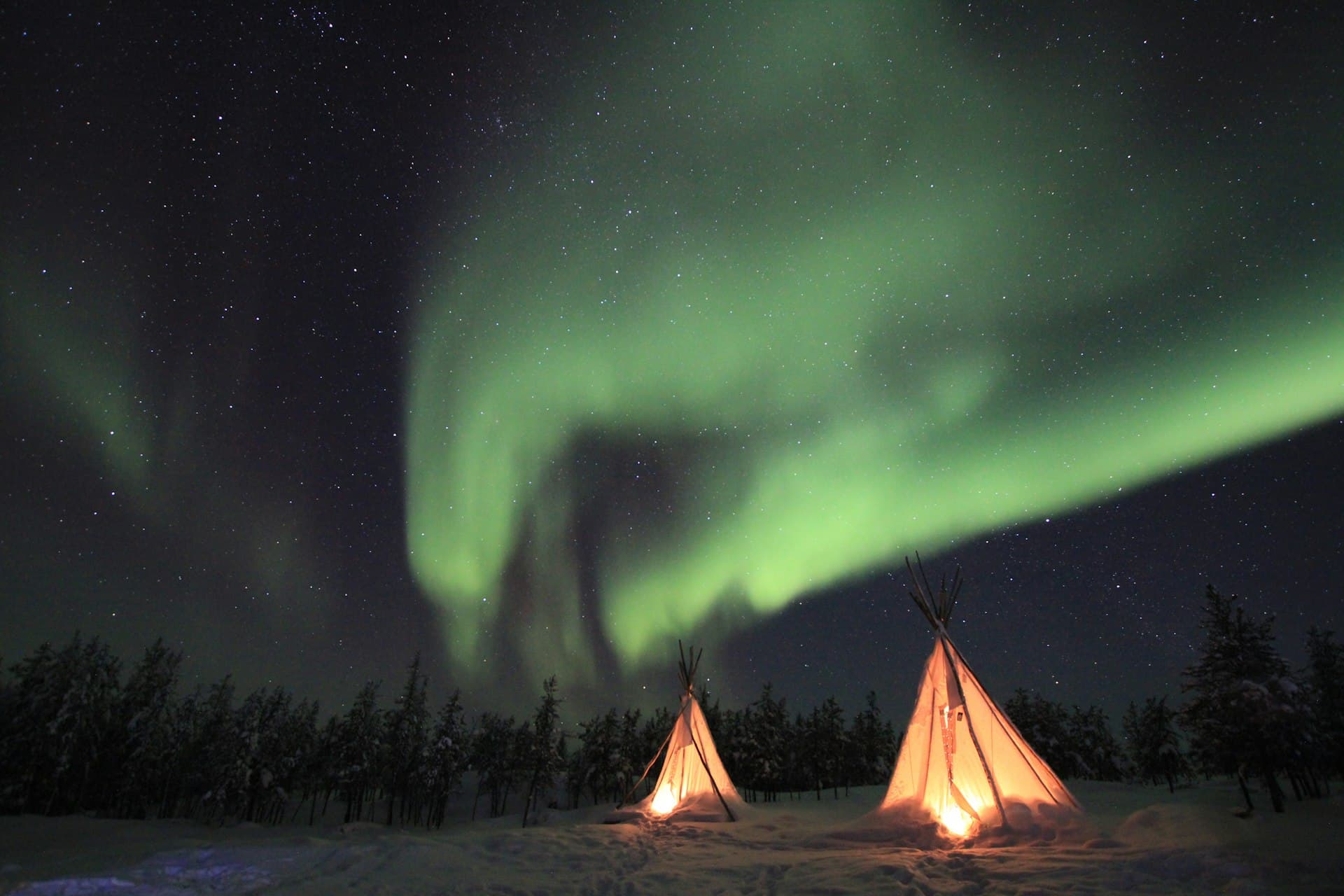 Photo: Emily Hon / Unsplash
“Where the Northern Lights dance and diamonds gleam.”
Not the postcards. The stories even locals don't know — whispered in your ear, right where they happened.
Before Yellowknife had paved roads and modern buildings, its earliest settlers built their lives on a rugged, rocky outcrop.
Yellowknife sits on the edge of a lake so vast, it's larger than some European countries.
The city's name doesn't come from its gold rush origins, despite its mining heritage.
Discover every secret of Yellowknife
Every address, every reveal in full — in your ear, right where it happened.
You pick your stops. You walk. The voice reveals what the others miss.
No tours available yet. Check back soon — we're preparing them.
Yellowknife, the capital of Canada's Northwest Territories, is a city forged by gold, now illuminated by diamonds and the ethereal glow of the Aurora Borealis. It rests on the northern shore of Great Slave Lake, approximately 400 kilometers south of the Arctic Circle, offering a singular blend of rugged wilderness and modern amenities. The city's story is deeply intertwined with its Indigenous roots and the successive booms of resource extraction, creating a resilient community.
Often called the 'Aurora Capital of North America,' Yellowknife is known globally as one of the finest places to witness the Northern Lights, with sightings possible up to 240 nights a year. Beyond the celestial spectacle, Yellowknife extends a range of cultural experiences, outdoor adventures, and a palpable sense of frontier spirit. From its historic Old Town with colorful houseboats to its role as a center for diamond mining, Yellowknife is a destination that truly embodies the spirit of the North.
## From Dene Homeland to Gold Rush Town Yellowknife's story begins long before European settlement, as the traditional and historic home of the Yellowknives Dene First Nation. For millennia, the Dene people hunted, fished, and gathered on these lands, maintaining a deep connection to the environment. The name 'Yellowknife' itself originates from this Indigenous group, who were recognized for their copper tools.
European contact with the Yellowknife Dene occurred in the late 18th century, with significant ethnographic documentation following in the early 1800s. However, the modern settlement of Yellowknife truly began to take shape in 1934 with the discovery of gold in the area. This sparked a gold rush, and by 1938, Yellowknife was a thriving town. Commercial gold production commenced in September 1938 at the Con Mine, followed by several others. The population rapidly grew to 1,000 by 1940.
## War, New Discoveries, and Capital Status Gold production temporarily halted during World War II as men were needed for the war effort. However, a new rush began with the discovery of substantial gold deposits at Giant Mine in 1944. This led to the establishment of a 'New Town' (downtown) area as the original 'Old Town' became overcrowded. In 1953, Yellowknife was elevated to a municipality, and in September 1967, it officially became the capital of the Northwest Territories. This new status spurred further growth, with new subdivisions built to accommodate an influx of government workers.
## Diamond Era and a Modern North The gold mining era eventually concluded with the closure of the last gold mines in 2004. However, a new chapter began in 1991 with the discovery of diamonds north of the city. Yellowknife quickly transitioned to become a service center for the diamond mines, earning the moniker 'Diamond Capital of North America'. The city's population continues to grow, exceeding 20,000 residents in 2021, and it maintains a 'boom town' character even 90 years after its founding. Yellowknife today is a dynamic cultural, economic, and government services hub, embracing both its frontier past and its modern identity.
Yellowknife offers a range of experiences, from historical sites to natural wonders. The Prince of Wales Northern Heritage Centre is an excellent starting point, showcasing the art, culture, industry, and history of the Northwest Territories, including exhibits on mooseskin boats and bush planes. A short walk from downtown, it sits near Frame Lake, which features a five-mile recreational trail.
Explore Old Town, the city's original settlement, characterized by its unique architecture and colorful houseboats on Great Slave Lake. Ascend to the Bush Pilot's Monument for expansive views of Old Town, Houseboat Bay, Back Bay, and a glimpse of downtown. This monument honors the bush pilots who played a crucial role in opening up the North.
For a taste of the North's natural beauty, consider a day trip to Cameron Falls along the scenic Ingraham Trail. This waterfall tumbles over the Precambrian shield and is accessible via a boardwalk trail, suitable for beginner hikers. During winter, experience the SnowKing Winter Festival, where an elaborate snow castle is constructed on Great Slave Lake, hosting concerts and various activities. Of course, a visit to Yellowknife is incomplete without seeking out the Northern Lights, which are frequently visible from late August to mid-April.
Yellowknife offers distinct experiences depending on the season. For optimal Northern Lights viewing, the best times are from late August to early October, and from December to early April, due to clear skies and long nights. During these winter months, temperatures can be very cold, often dropping to -30°C, but the dry cold can be manageable with proper clothing.
Summer (June to August) brings mild, sunny weather and nearly 24 hours of daylight, known as the 'midnight sun,' making it ideal for outdoor activities like hiking, fishing, and canoeing. Festivals like Folk on the Rocks also take place during this time. Spring (April to May) and Fall (September to November) offer milder temperatures and good chances for aurora viewing, with the added beauty of changing foliage in autumn.
Yellowknife is accessible primarily by air, with daily flights from major Canadian cities like Edmonton, Calgary, Vancouver, and Toronto to Yellowknife Airport (YZF). Driving is also an option via the Mackenzie Highway, which connects to Canada's main highway system.
Within the city, getting around is possible by car, local public transit, or taxi. The city's compact size also makes walking a viable option in central areas. For winter travel, a car equipped with a block heater and snow tires is highly recommended due to extreme temperatures. Accommodations range from hotels and motels to bed and breakfasts, with wilderness cabins and lodges available for those seeking a more remote experience. Yellowknife's cost of living can be higher than southern Canadian cities due to transportation costs for goods and increased utility expenses for heating. Layered clothing is essential year-round, with heavy winter gear, including parkas, boots, and gloves, necessary for colder months.