Warwick Castle
Among its many former residents, one owner of Warwick Castle was surprisingly young.
Full story unlocks in the tour
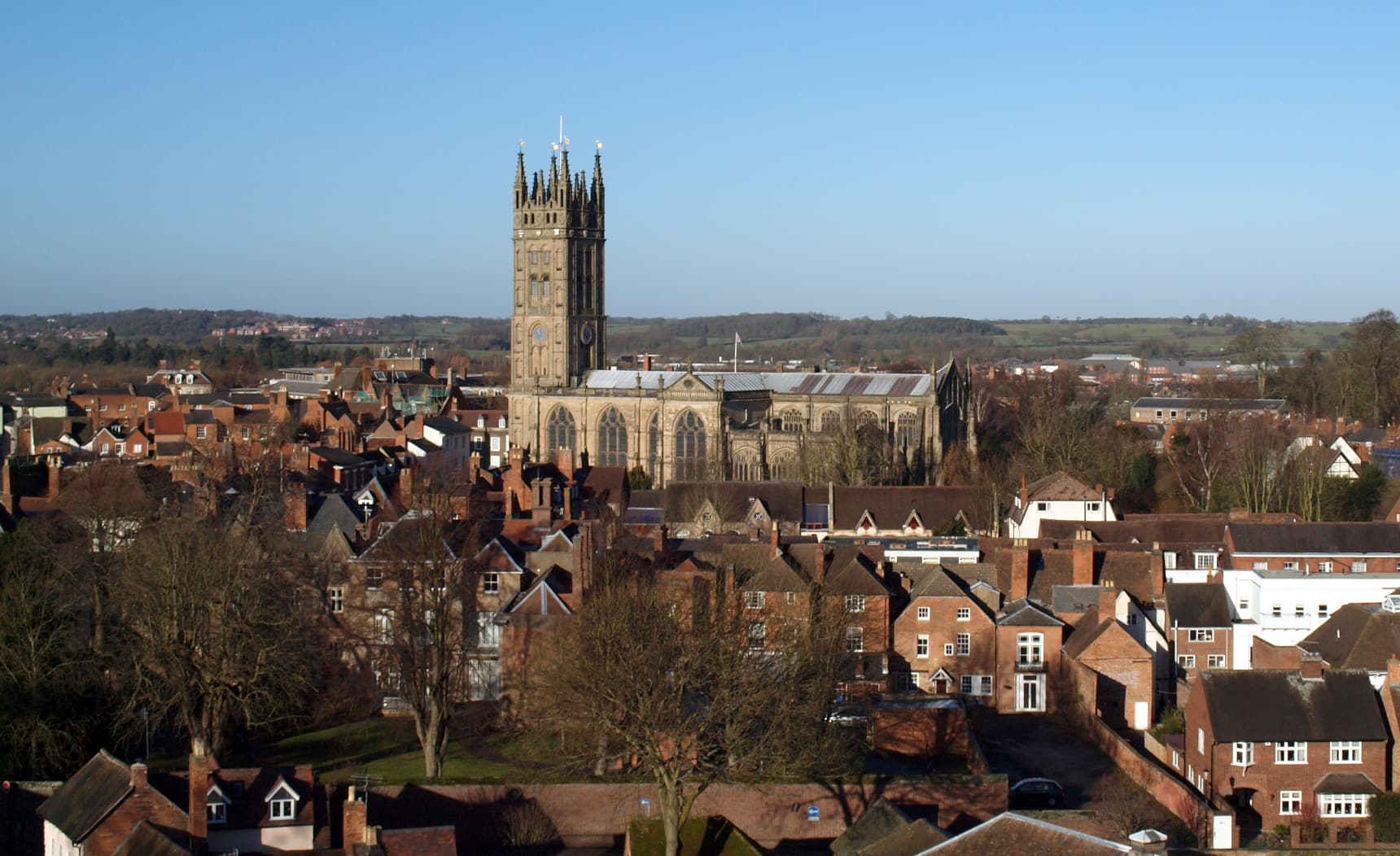 habiloid / CC BY-SA 2.0, via Wikimedia Commons
“Where medieval might meets quiet charm along the Avon's bend.”
Not the postcards. The stories even locals don't know — whispered in your ear, right where they happened.
Among its many former residents, one owner of Warwick Castle was surprisingly young.
This medieval almshouse once hosted a royal banquet that left the town in significant debt.
Deep beneath the grandeur of St Mary's Church lies a remnant of its earliest days, spared by a devastating fire.
Discover every secret of Warwick
Every address, every reveal in full — in your ear, right where it happened.
You pick your stops. You walk. The voice reveals what the others miss.
No tours available yet. Check back soon — we're preparing them.
Warwick, a market town in Warwickshire, England, offers a compelling journey through history, with its origins stretching back to the early Middle Ages. Situated adjacent to the River Avon, it is a place where ancient fortifications and historic buildings from the Medieval, Stuart, and Georgian eras coexist. The town is widely known for Warwick Castle, a formidable medieval fortress that has shaped British history and remains a significant attraction today.
Beyond the castle walls, Warwick presents a more tranquil experience with its inviting town center, independent shops, and traditional pubs. The town's infrastructure supports a slower pace, inviting visitors to explore its pedestrian-friendly streets, picturesque canals, and captivating landmarks. From significant historical sites like the Lord Leycester Hospital and St Mary's Church to its green spaces and riverside settings, Warwick provides a distinct blend of old-world elegance and contemporary energy.
## From Saxon Stronghold to Norman Powerhouse Warwick's story begins long before the castle, with a Saxon fort constructed by King Alfred the Great's daughter, Æthelflæd, in 914 AD on the banks of the River Avon, intended as a defense against Danish invaders. In the early 10th century, Warwick was established as a shire town, and a royal mint operated here until the mid-12th century.
The most prominent chapter of Warwick's history began in 1068, two years after the Battle of Hastings, when William the Conqueror ordered the construction of a wooden motte-and-bailey castle. This strategic location in the center of England, controlling a vital section of the Roman Fosse Way, was crucial for asserting Norman dominance. The wooden fort was rebuilt in stone during the 12th century, and during the Hundred Years' War, the town-facing facade was refortified, creating the iconic 14th-century military architecture seen today.
## Earls, Sieges, and Transformations Warwick Castle has been continuously inhabited since the Middle Ages, owned by powerful families like the Beaumonts, Beauchamps, Nevilles, Dudleys, and Grevilles, who shaped it from a military stronghold into a grand residence. It played a significant role in the Wars of the Roses, holding Edward IV prisoner in 1469, and later withstood a Royalist siege during the English Civil War in 1642. Sir Fulke Greville, who acquired the castle in 1604, transformed it into a country house, though he was later murdered by a servant, and his ghost is said to roam the grounds.
Beyond the castle, Warwick experienced its own 'Great Fire' in 1694, which devastated much of the medieval town, including the nave and tower of St Mary's Church. The town was largely bypassed by the Industrial Revolution, with only minor industrial activities developing in the early 19th century. The Warwick and Birmingham and Warwick and Napton canals, now part of the Grand Union Canal, opened in 1800, further connecting the town. Today, Warwick continues to evolve, preserving its past while offering modern amenities and attractions.
Warwick's primary draw is Warwick Castle, a medieval masterpiece offering interactive exhibits, live entertainment, and extensive grounds and gardens. Explore its towers, ramparts, and state rooms, and delve into its nearly thousand-year history. Consider the world's tallest working trebuchet, or the 'Horrible Histories' Maze for a lighter take on the past.
Just a short walk from the castle, the Lord Leycester Hospital is a remarkably preserved collection of medieval timber-framed buildings. Originally established as an almshouse for ex-servicemen in 1571, it offers a glimpse into Tudor life with its historic courtyard and gardens.
The Collegiate Church of St Mary dominates the town's skyline with its imposing tower. While much of it was rebuilt after the 1694 fire, the magnificent Beauchamp Chapel, housing the tombs of past Earls of Warwick, endured and is considered a masterpiece of medieval art. You can also ascend the 174-foot tower for expansive views of the town and castle.
For a deeper dive into local heritage, visit the Market Hall Museum, which tells the story of Warwickshire. The town also offers various parks and gardens, including St Nicholas Park with its riverside setting, and the beautifully restored Victorian pleasure gardens of Hill Close Gardens. Wander through the town center's inviting streets, particularly Smith Street and Swan Street, for a mix of independent shops and traditional pubs.
Warwick is enjoyable throughout the year, with each season offering a different atmosphere. For the most comfortable temperatures and long daylight hours, ideal for exploring outdoors, consider visiting during June, July, August, and September. Average daytime highs during these months range from 19°C (67°F) to 22°C (72°F).
Spring and autumn offer pleasant temperatures and fewer crowds, making them good choices for those seeking a more relaxed visit. While winters are cool, with average temperatures around 4-6°C (39-43°F), the town takes on an inviting, festive atmosphere, especially during the Christmas season. Regardless of the season, it is advisable to carry an umbrella or raincoat, as light rain or drizzle can occur throughout the year.
Warwick is well-connected by an extensive motorway network, with clear signage from major routes like the M40, M5, M42, M6, M69, A45, and A46. The town offers various long-stay and short-stay car parks, as well as on-street parking with varying time limits and charges.
For those arriving by train, Warwick train station is a convenient 10-minute walk to the town center and Warwick Castle, with direct services to Birmingham, Stratford-upon-Avon, and London Marylebone. Warwick Parkway Station is located about a mile from the town center. An extensive bus network connects Warwick to nearby areas like Coventry, Leamington Spa, and Stratford-upon-Avon, with the bus station a 10-minute walk from the castle entrance.
Within Warwick itself, the town is compact and pedestrian-friendly, making walking an enjoyable way to explore many key attractions. Taxis are readily available for local travel, and cycling is also an option with some dedicated routes. Warwick Castle offers accessibility information for guests with reduced mobility, including wheelchair lifts for certain areas and accessible toilets.