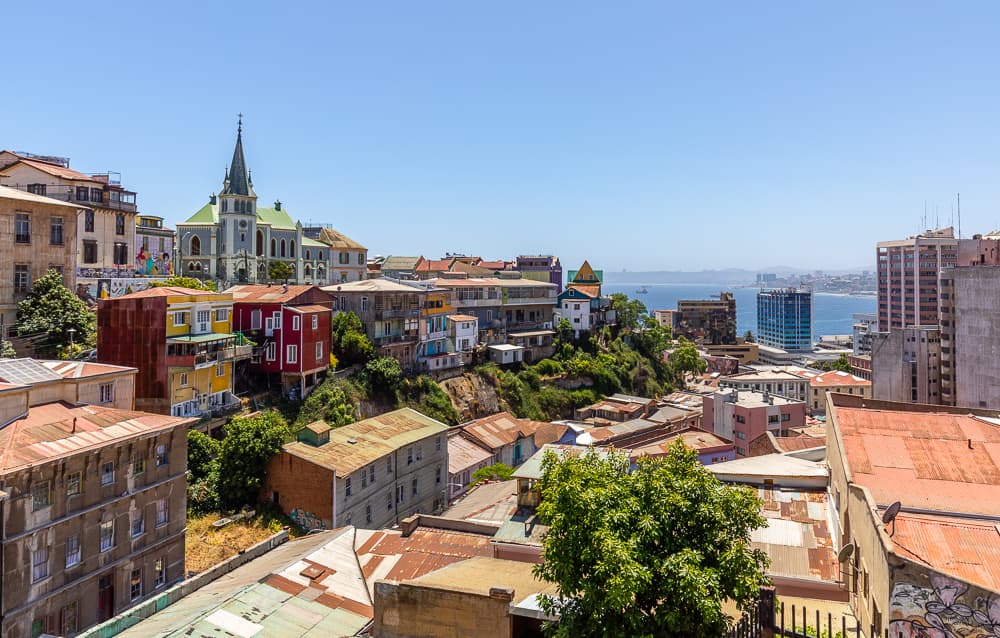
From this popular viewpoint, it's easy to admire the city's unique architecture. But one particular building holds a secret about its construction, a detail that was almost certainly not on the original blueprints.
Julia Sumangil / CC BY-SA 4.0, via Wikimedia CommonsValparaíso
“The Pacific's technicolor dream, painted on hills.”
Valparaíso, as no one tells it.
Not the postcards. The stories even locals don't know — whispered in your ear, right where they happened.
Valparaíso's ascensores are iconic, ferrying people up and down the steep hills. But one of these historic funiculars has a surprising connection to a completely different mode of transport, one that might make you think twice about its name.
This grand plaza, a hub of activity and a testament to Valparaíso's maritime heritage, has a curious detail about its central monument that most people walk right past without noticing.
Discover every secret of Valparaíso
Every address, every reveal in full — in your ear, right where it happened.
You pick your stops. You walk. The voice reveals what the others miss.
How long do you have in Valparaíso?
No tours available yet. Check back soon — we're preparing them.
The story of Valparaíso
Valparaíso, affectionately known as 'Valpo' by those who live here, is a city that defies simple description. Its cerros, or hills, explode with color, a sprawling canvas of brightly painted houses clinging to the slopes, all overlooking the vast Pacific Ocean. This UNESCO World Heritage site is a living, breathing museum, where every alleyway and staircase recounts a story. The city's bohemian spirit is palpable; street art adorns walls, musicians offer impromptu concerts, and poets find inspiration in its intricate allure. It is a place to become delightfully lost, to wander and uncover its many corners, each offering a new perspective on this singular port city.
More than a collection of appealing vistas, Valparaíso is a city of contrasts. Grand colonial mansions stand beside humble, corrugated iron homes. The scent of fresh seafood mingles with the salty sea air, and the clang of the ascensores – the historic funiculars that transport people up and down the hills – provides a constant soundtrack. It is a city that has faced its share of adversity, from earthquakes to economic shifts, yet it retains an indomitable spirit and a unique identity that continues to captivate visitors from across the globe.
The City of Valparaíso: A Brief History
Valparaíso's story is deeply intertwined with its natural harbor, a crucial stop for ships traversing the Strait of Magellan before the opening of the Panama Canal. Founded in 1536 by Spanish explorers, the city truly began to flourish in the 19th century, becoming a vital port and a melting pot of cultures. European immigrants, particularly from Britain, Germany, and Italy, arrived in Valparaíso, bringing with them architectural styles and entrepreneurial spirit that shaped the city's unique character. This era saw the construction of grand mansions, banks, and a sophisticated urban infrastructure.
However, Valparaíso's golden age began to recede with the completion of the Panama Canal in 1914. Ships no longer needed to navigate around South America, and the city's strategic importance lessened. This led to a period of economic decline and neglect, but also fostered a resilient and creative spirit among its inhabitants. The city's unique topography and the ingenuity of its people led to the development of the iconic ascensores, or funiculars, which began operating in the late 19th century to connect the port with the upper residential areas.
In recent decades, Valparaíso has experienced a resurgence, largely due to its recognition as a UNESCO World Heritage site in 2003. This designation brought renewed attention to its architectural heritage and lively cultural scene. Today, the city embraces its bohemian identity; its colorful houses, street art, and artistic community draw visitors who seek an authentic and unconventional experience. Despite its challenges, Valparaíso continues to be a city of enduring appeal and a testament to its intricate past.
Begin your exploration in Plaza Sotomayor, a grand square dedicated to naval heroes, and take in the impressive Monument to the Heroes of Iquique. From there, make your way to Cerro Alegre or Cerro Concepción using one of the historic ascensores like Ascensor Reina Victoria or Ascensor Concepción. These hills are well-known for their vivid street art, boutique hotels, and appealing cafes. Wander through the narrow, winding streets, discovering unexpected staircases and new viewpoints. Be sure to visit the Palacio Baburizza, a beautifully preserved mansion now housing the Museo Municipal de Bellas Artes. For a sweeping vista of the city and the Pacific, make your way to Paseo 21 de Mayo. Explore La Sebastiana, one of Pablo Neruda's unique houses, offering insight into the Nobel laureate's life and a distinct perspective on the city. Finally, delve into the Mercado Central for a taste of local life, fresh produce, and traditional Chilean fare.
The most pleasant time to visit Valparaíso is during the Chilean summer, from December to February, when the weather is warm and sunny, perfect for exploring the hills and enjoying outdoor activities. Spring (September to November) and autumn (March to May) also offer agreeable weather with fewer crowds. Winters (June to August) are cooler and can be rainy, but the city retains its character and offers a different, more reflective experience.
Valparaíso is a city best explored on foot, but prepare for steep hills and numerous stairs. The ascensores are an essential and appealing way to navigate between the lower and upper parts of the city. Taxis and colectivos (shared taxis) are also readily available. While generally safe, it is wise to be aware of your surroundings, especially at night, and to keep valuables secure. Many establishments accept credit cards, but it is always good to have some Chilean pesos for smaller purchases and local vendors. The local cuisine features fresh seafood, so be sure to try dishes like ceviche and empanadas de marisco.
- How do I get to Valparaíso from Santiago?
- Valparaíso is easily accessible from Santiago by bus, with frequent departures from the Alameda or Pajaritos terminals. The journey takes approximately 1.5 to 2 hours.
- Are the ascensores safe to use?
- Yes, the ascensores are generally safe and are an integral part of Valparaíso's public transport system. They are regularly maintained and monitored.
- What is the best way to get around Valparaíso?
- Walking is the best way to experience the city's unique charm, especially on the cerros. The ascensores are essential for navigating the steep inclines, and taxis or colectivos can be used for longer distances.
- Is Valparaíso a walkable city?
- Valparaíso is very walkable, but be prepared for a workout! The city is built on hills, so there are many stairs and inclines. Comfortable shoes are a must.
- What kind of food should I try in Valparaíso?
- Valparaíso is known for its fresh seafood. Be sure to try *ceviche*, *empanadas de marisco*, and *caldillo de congrio* (conger eel soup).
- Is it safe to visit Valparaíso?
- Valparaíso is generally safe for tourists, but like any major city, it's important to be aware of your surroundings, especially in crowded areas and at night. It's advisable to avoid displaying expensive items.