El Castillo, Tulum Ruins
The most prominent structure at the Tulum ruins, El Castillo, was not merely a temple or a lookout point.
Full story unlocks in the tour
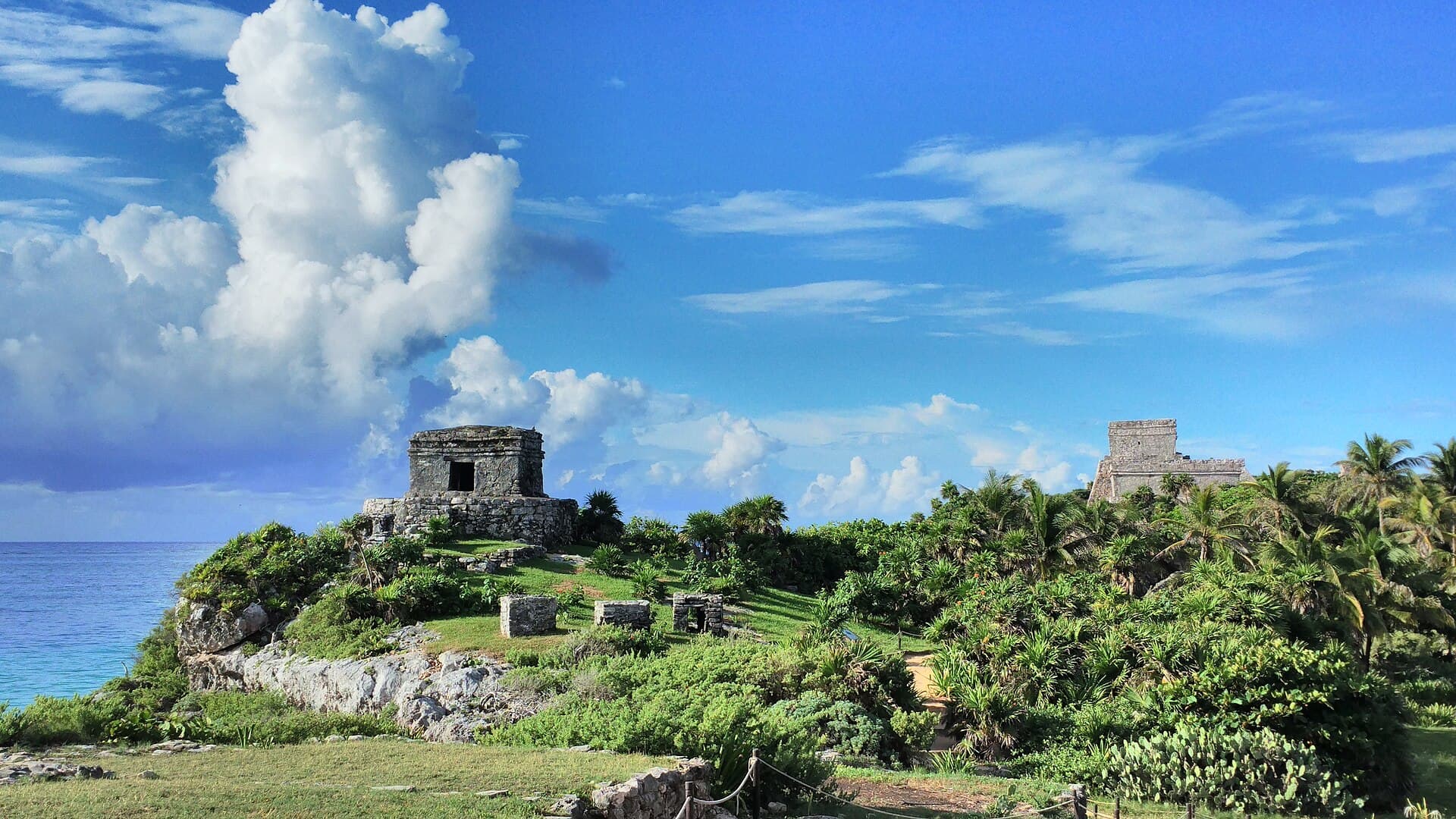 Popo le Chien / CC BY-SA 3.0, via Wikimedia Commons
“Where ancient ruins meet bohemian dreams by the Caribbean Sea.”
Not the postcards. The stories even locals don't know — whispered in your ear, right where they happened.
The most prominent structure at the Tulum ruins, El Castillo, was not merely a temple or a lookout point.
Before it was known as Tulum, meaning 'wall' or 'fence' in Yucatec Maya, the city held a different, more poetic designation.
Beyond its intricate carvings, this temple at Tulum held a secret function related to the cosmos.
Discover every secret of Tulum
Every address, every reveal in full — in your ear, right where it happened.
You pick your stops. You walk. The voice reveals what the others miss.
No tours available yet. Check back soon — we're preparing them.
Tulum, on Mexico's Yucatán Peninsula, offers a unique blend of ancient history and a contemporary, eco-conscious atmosphere. This coastal town, approximately two hours south of Cancun, trades large, all-inclusive resorts for boutique properties and bohemian design. It is a destination that draws travelers seeking both relaxation on white-sand beaches and adventure exploring Mayan ruins and freshwater cenotes. The town is broadly divided into two main areas: Tulum Pueblo (or Centro), which offers a more local experience with affordable dining and shops, and the Hotel Zone along the beach, known for its stylish accommodations and beach clubs.
Beyond its picturesque coastline, Tulum is a hub for wellness, with yoga retreats and a community embracing open-mindedness and a connection to nature. The local industry's commitment to eco-tourism and sustainability contributes to a magical atmosphere where businesses often blend into the natural surroundings. Whether you are drawn to its mystifying jungle, the clear turquoise waters, or the lively cultural scene, Tulum offers a distinctive Caribbean experience.
Tulum's history stretches back over 800 years, flourishing as one of the last cities built and inhabited by the Maya. Established during the late Postclassic period, around the 13th century, it reached its peak prominence between the 13th and 15th centuries. Originally known as Zamá, meaning "City of Dawn," the city was aptly named for its east-facing position, capturing the sunrise over the Caribbean Sea. Its current name, Tulum, translates to "fence," "wall," or "trench" in Yucatec Maya, referring to the impressive limestone walls that encircled the city.
This strategic location along the Caribbean coast was vital to Tulum's prosperity. It served as a major port and important trading hub, connecting the Yucatán Peninsula with other regions, including Honduras and the Gulf of Mexico. Evidence of extensive trade routes is found in the large quantities of obsidian and jade discovered at the site. The city's walls provided defense against invasions, making it a formidable fortress.
One of Tulum's most iconic structures, El Castillo, served a dual purpose as both a ceremonial center and a navigational beacon, guiding Mayan seafarers through a break in the reef. The Temple of the Frescoes was another significant building, functioning as an observatory. The Maya continued to inhabit Tulum for approximately 70 years after the Spanish began exploring Mexico. However, diseases introduced by the Spanish ravaged the native population, leading to the city's abandonment by the early 17th century. The ruins were later documented by John Lloyd Stephens and Frederick Catherwood in their 1843 book, Incidents of Travel in Yucatan, and excavation work began in the early 19th century, continuing to this day, with underwater explorations revealing even more of its past.
The Tulum Ruins, dramatically situated on 12-meter (39 ft) cliffs overlooking the Caribbean Sea, are a worthwhile destination. Explore structures like El Castillo and the Temple of the Frescoes, understanding their historical and astronomical significance. Plan to visit early in the morning to avoid crowds and the heat.
Beyond the ruins, cenotes are a quintessential Tulum experience. These natural, water-filled sinkholes offer unique swimming and snorkeling opportunities. Popular options include Gran Cenote and Cenote Calavera, known for its three openings resembling a skull. Remember to rinse off before entering and use reef-safe sunscreen to protect these delicate ecosystems.
For beach time, while many beachfront hotels offer private access, you can also visit a beach club for a day, which often have a minimum spend. Alternatively, Playa Santa Fe is a public beach near the ruins, offering a less crowded experience. Do not miss the chance to experience the lively Tulum Pueblo (Centro) for local food, culture, and souvenir shopping. Consider exploring the Coba Ruins, about 45 minutes away, where you can still climb the Nohoch Mul pyramid, the tallest in the Yucatán.
The best time to visit Tulum is during the dry season, from December to April. During these months, you can expect warm, sunny days, lower humidity, and minimal rainfall, ideal for beach activities and exploring the ruins and cenotes. Temperatures typically range from 23°C to 27°C (70°F to 80°F). This is peak tourist season, so anticipate higher prices and more crowds, especially around holidays. For a balance of good weather and fewer people, consider the shoulder months of May and November. The wet season, from June to October, brings higher temperatures, humidity, and frequent, sometimes heavy, afternoon showers, along with the official hurricane season.
Tulum is served by Cancun International Airport (CUN), approximately 1.5 hours away by car. Transportation options from the airport include private transfers, shuttle services, or the ADO bus. Renting a car is recommended if you plan to explore extensively. Within Tulum, taxis are readily available but can be expensive; it is advisable to agree on the fare before starting your journey. Bicycles are a popular and eco-friendly way to get around for shorter distances, though roads can be dark at night and lack dedicated cycling lanes in some areas.
Mexican pesos (Mex$) are the official currency, and while US dollars are often accepted, using pesos generally provides a better exchange rate. ATMs are available, with those inside banks or major supermarkets being the most reliable. Many establishments, especially along the beach, prefer cash. Cell service can be spotty in the beach zone, but most hotels, restaurants, and beach clubs offer free Wi-Fi. Spanish is the official language, but English is widely spoken in tourist areas. Remember to bring lightweight clothing, sunscreen, bug spray, and consider travel insurance, particularly if visiting during hurricane season.