Trang's 'Frog-Head' Tuk-Tuks
You might notice some unusual vehicles in Trang, appearing almost like amphibians.
Full story unlocks in the tour
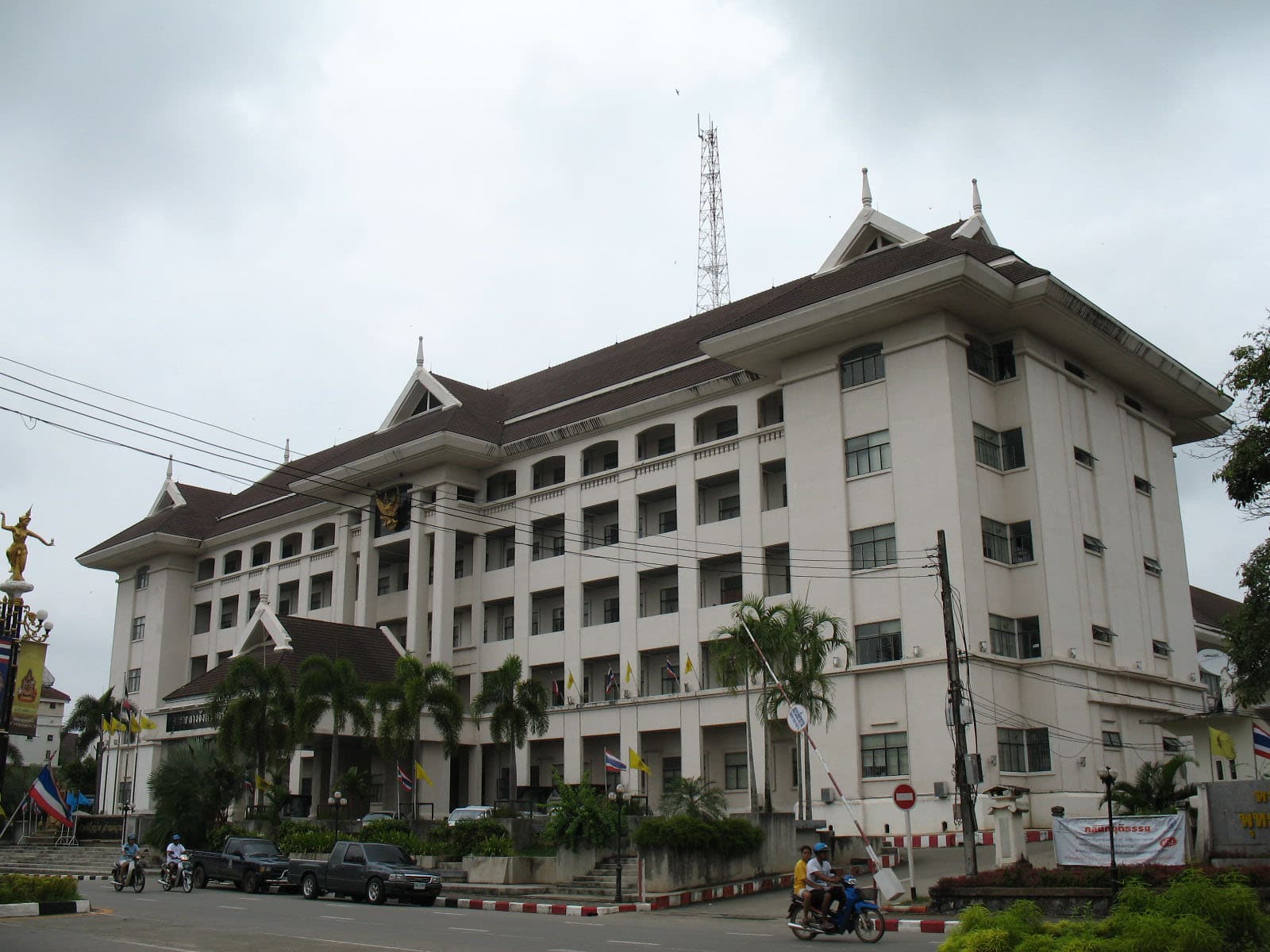 Oatz / Public domain, via Wikimedia Commons
“Where emerald seas greet a city of early mornings and profound tastes.”
Not the postcards. The stories even locals don't know — whispered in your ear, right where they happened.
You might notice some unusual vehicles in Trang, appearing almost like amphibians.
To reach a secluded beach on Koh Mook, prepare to venture into profound darkness.
The city of Trang awakens remarkably early, often before most travelers have had their first cup of coffee.
Discover every secret of Trang
Every address, every reveal in full — in your ear, right where it happened.
You pick your stops. You walk. The voice reveals what the others miss.
No tours available yet. Check back soon — we're preparing them.
Trang, a coastal province in southern Thailand, offers an engaging fusion of tranquil island escapes and a lively mainland culture. It is often overlooked by those drawn to its more famous neighbors, Phuket and Krabi. With nearly 200 kilometers of Andaman Sea coastline and over 40 islands, many safeguarded within Hat Chao Mai National Park, Trang provides a less crowded, more authentic Thai encounter.
The regional capital, Trang City, serves as a bustling gateway to this varied province. It is a place where Chinese, Malay, and Thai influences converge, evident in its architecture and, most strikingly, its particular culinary traditions. Beyond the city, the province unfolds into a landscape of untouched beaches, dramatic limestone formations, and verdant natural parks, making it an ideal location for those seeking both repose and exploration.
Trang's chronicles extend back at least 900 years, with legends suggesting its name, 'Trang,' originates from the Malay word for light or dawn, as ships would arrive in the morning. Historically, it functioned as a significant maritime trading port, fostering early settlements over 2,000 years ago. During the reign of King Rama II in 1811, Trang received its first governor.
The province's contemporary identity was substantially shaped by administrative reforms in the late 19th and early 20th centuries. In 1893, under Governor Phraya Ratsadanupradit Mahison Phakdi, Trang was incorporated into the Monthon (circle) of Phuket. The original provincial capital was situated in the coastal district of Kantang. However, due to persistent flooding, King Rama VI ordered the relocation of the administrative center inland to the Thap Thiang district—the present site of Trang City—in 1916.
A pivotal moment in Trang's economic narrative occurred in 1899 when Governor Phraya Ratsadanupradit Mahison Phakdi introduced the first rubber trees to Thailand, bringing saplings from British Malaya. This initiative transformed the region's economy, establishing rubber production as a primary source of income for not only Trang but all of southern Thailand. The arrival of Hokkien Chinese migrants, drawn by trade and work in tin mines and rubber plantations, further enriched Trang's cultural fabric, leaving an enduring imprint on its old town architecture and gastronomy. The opening of a railway line to Kantang in 1913 also linked the region with central Thailand, further facilitating commerce and progress.
Trang offers a wide array of sights, from urban charm to unspoiled natural wonders. In Trang City, explore the Old Town aboard a distinct 'frog-head' tuk-tuk, a singular three-wheeled vehicle found in few other places in Thailand. The city's architecture reflects its varied past as a trading center, with Sino-Portuguese shophouses defining areas like Thanon Ratchadamnoen. Be sure to experience the early morning dim sum breakfast, a local custom that highlights the city's Chinese influence.
Beyond the mainland, Trang's islands are a primary attraction. Hat Chao Mai National Park encompasses seven main islands and their features. Ko Muk is celebrated for its Emerald Cave (Tham Morakot), where you swim through a dark passage to reach an enclosed lagoon. Ko Kradan offers soft white sand beaches and clear waters perfect for snorkeling, with its primary stretch, Paradise Beach, having received recognition as a premier beach. Ko Libong, Trang's largest island, is part of a wildlife reserve and supports a significant population of endangered dugongs. For inland exploration, visit the Thung Khai Botanical Gardens for an elevated canopy walk among the treetops, or venture to Tham Le Khao Kob (Dragon Cave) for a subterranean boat journey through limestone formations.
The ideal period to visit Trang is during the dry season, which extends from November to April. This time brings bright, clear skies, calm seas, and pleasant temperatures, making it perfect for island excursions and outdoor pursuits. Specifically, mid-December to late February is considered optimal for general outdoor activities, with a peak in the third week of January for hot-weather enjoyment like beach and pool visits. For cultural exploration, late October to early December, when the rains diminish and rice harvest festivals occur, is agreeable. The monsoon season, from May to October, brings substantial rainfall and rougher seas, which can disrupt ferry services to the islands.
Trang is accessible via daily flights from Bangkok's Don Mueang Airport (DMK) to Trang Airport (TST), with a flight duration of approximately 1 hour and 20 minutes. Overnight trains from Bangkok's Hua Lamphong station provide a more scenic, though longer (12-15 hours), journey. Buses and minivans connect Trang to other southern Thai cities such as Phuket, Krabi, and Hat Yai.
Within Trang City, 'frog-head' tuk-tuks offer a unique mode of transport, with tours averaging 250 THB per hour. Songthaews (shared pickup trucks) operate on fixed routes, and motorcycle taxis are also available. For island excursions, minivans can take you to Pak Meng Pier for boat connections to Ko Muk, Ko Kradan, and Ko Libong. Accommodations span from guesthouses in Trang town to resorts on the islands, with options like Ko Ngai providing more luxurious stays and neighboring islands offering simpler choices.