Caesar's Restaurant
The world-famous Caesar salad wasn't born in Italy or a refined French kitchen.
Full story unlocks in the tour
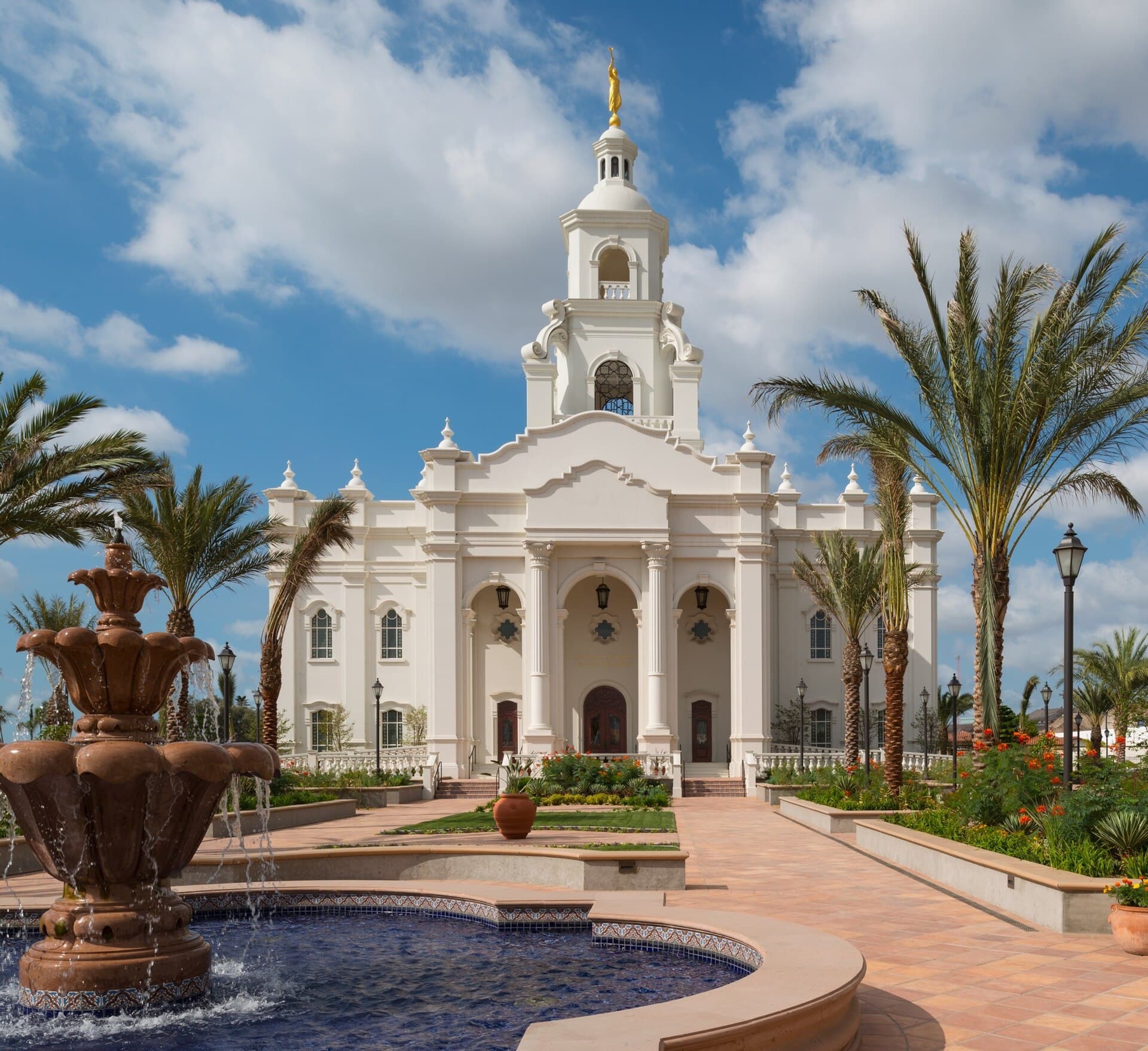 Isai Armenta / CC BY 4.0, via Wikimedia Commons
“Where the homeland begins, a city of constant reinvention.”
Not the postcards. The stories even locals don't know — whispered in your ear, right where they happened.
The world-famous Caesar salad wasn't born in Italy or a refined French kitchen.
This lively cultural corridor was once a playground for Hollywood's elite, and it held a secret that would launch a star.
Beyond the donkey-painted-like-zebras, this iconic street once hosted a bar so grand it claimed a world record.
Discover every secret of Tijuana
Every address, every reveal in full — in your ear, right where it happened.
You pick your stops. You walk. The voice reveals what the others miss.
No tours available yet. Check back soon — we're preparing them.
Tijuana, often called "TJ," stands as Mexico's westernmost city, a dynamic urban center on the Pacific coast of Baja California. It shares a 24-kilometer (15-mile) border with San Diego, California, making it one of the most frequently crossed international land borders in the world, with over fifty million people passing through annually. This close proximity has profoundly shaped Tijuana, fostering a unique cultural blend and a constant flow of people and ideas.
More than a border town, Tijuana has evolved into a significant manufacturing hub, particularly for medical devices, and is increasingly recognized as a cultural center for the Californias border region. The city's motto, "Aquí empieza la patria" ("The homeland starts here"), reflects its position as Mexico's gateway and a place of new beginnings. From its origins as a ranch to its current status as a bustling metropolis, Tijuana offers a distinctive experience where Mexican traditions meet global influences.
Tijuana's modern history began in 1829 with the establishment of Rancho Tía Juana by Santiago Argüello Moraga. The name itself is thought to derive from the Kumeyaay word "Tiwan," meaning "by the sea," though urban legend tells of an "Aunt Jane" who ran an inn for travelers. The city was officially incorporated on July 11, 1889, following the approval of its urban development plan.
A pivotal moment arrived with the American Prohibition in the 1920s. With alcohol and gambling outlawed north of the border, Tijuana transformed into a lively destination for Americans seeking entertainment. This era saw the opening of resorts, casinos, and racetracks, drawing crowds and fostering the city's reputation as a place of non-stop action. Avenida Revolución, the city's main thoroughfare, became lined with nightclubs and bars, including the celebrated Mexicali Beer Hall.
Throughout the 20th century, Tijuana experienced rapid population growth, expanding from just over 1,000 residents in 1921 to 350,000 by 1969. The mid-20th century brought the designation of Tijuana as a duty-free zone, further stimulating its economy. The city also saw significant urbanization, with projects like Zona Río developing in the 1970s and 80s.
In recent decades, Tijuana has undergone a cultural renaissance, shedding its earlier "anything-goes" image to embrace a burgeoning arts and culinary scene. It has become a recognized center for medical device manufacturing and a hub for medical tourism. Today, Tijuana is a city that actively defines itself, blending its historical influences with a contemporary identity as a lively border metropolis.
Begin your exploration on Avenida Revolución, Tijuana's bustling main street and the core of its tourist district. Here, you'll find a mix of shops, restaurants, and bars, and you can even pose with the iconic painted donkeys, often referred to as "Mexican zebras." The towering Arco Monumental, a 14-story steel and copper arch, marks the avenue and welcomes visitors.
For a deeper dive into arts and culture, visit the Tijuana Cultural Center (CECUT) in Zona Río. This architectural landmark, known for its spherical IMAX theater (affectionately called la bola or "the ball"), hosts a variety of exhibitions, performances, and workshops that highlight the history and culture of Baja California. Nearby, Pasaje Rodríguez offers a lively pedestrian alleyway adorned with colorful murals, independent shops, and cafes, reflecting Tijuana's artistic spirit.
If you're interested in the city's culinary heritage, a stop at Caesar's Restaurant is essential to experience the tableside preparation of the original Caesar salad. For a taste of local life, explore Mercado Hidalgo, a traditional market offering a wide array of goods. For those seeking the coast, Playas de Tijuana provides a beach experience with a boardwalk, ocean views, and local eateries.
Tijuana enjoys a mild Mediterranean climate year-round, making it a comfortable destination in most seasons. The best time for warm-weather activities is from mid-June to mid-October. For those preferring milder temperatures and fewer crowds, spring (March to May) and fall (September to November) are ideal, offering pleasant weather for sightseeing and outdoor dining. Winter (December to February) is cooler and wetter, with most rainfall occurring during these months, but daytime temperatures remain comfortable and tourist crowds are typically smaller.
Most tourists enter Tijuana through the San Ysidro border crossing from California, which is one of the busiest in the world. U.S. citizens need a valid passport to enter and exit Mexico. For stays longer than seven days or if traveling beyond the 35 km "free zone," a Mexico Visitor's Permit (FMM) is required, which can be obtained at the port of entry. While Spanish is the dominant language, English is widely spoken in tourist areas like Avenida Revolución. U.S. dollars are also widely accepted.
For getting around, walking is feasible in downtown areas like Avenida Revolución and Zona Río. Taxis and ride-sharing services like Uber are readily available and generally recommended, especially when traveling from the border to downtown or venturing outside well-lit tourist zones. If driving your own car, Mexican automobile insurance is essential, and it's advisable to park in secure, off-street lots. Always be aware of your surroundings, especially at night, and stick to well-trafficked tourist areas.