Ahuashiyacu Waterfalls
The name of Tarapoto's most famous waterfall, Ahuashiyacu, means 'singing water' or 'laughing water'.
Full story unlocks in the tour
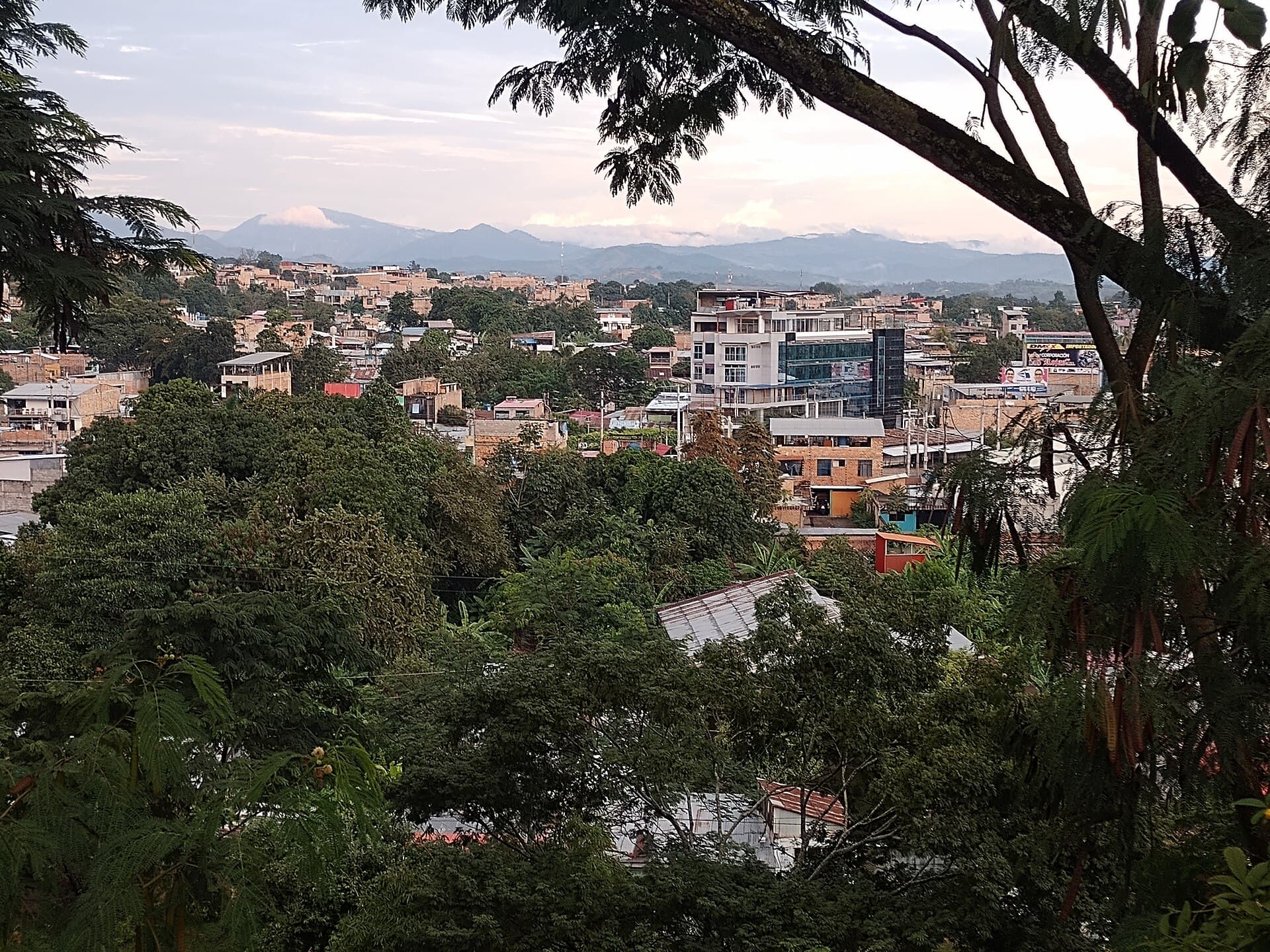 Marlon Nicolás / CC BY-SA 4.0, via Wikimedia Commons
“Where the Andes meet the Amazon, a symphony of green and water unfolds.”
Not the postcards. The stories even locals don't know — whispered in your ear, right where they happened.
The name of Tarapoto's most famous waterfall, Ahuashiyacu, means 'singing water' or 'laughing water'.
This lively street, known for its nightlife, offers a unique local drink experience beyond typical cocktails.
Just a short distance from Tarapoto, the village of Lamas features a surprising architectural anomaly.
Discover every secret of Tarapoto
Every address, every reveal in full — in your ear, right where it happened.
You pick your stops. You walk. The voice reveals what the others miss.
No tours available yet. Check back soon — we're preparing them.
Tarapoto, often called the "City of Palms," serves as a primary gateway to the northern Amazon, a bustling center in Peru's San Martín region. Situated where the Andean foothills meet the expansive Amazonian lowlands, it offers a unique blend of urban energy and extraordinary natural beauty. The city itself, at an altitude of 356 meters (1,168 feet) above sea level, is a lively commercial hub.
Beyond its city limits, Tarapoto is encircled by cloud forest and lower Amazon rainforest, creating diverse ecosystems teeming with plant and animal life. While Tarapoto may not possess the colonial grandeur of Cusco or Lima, its appeal lies in its accessibility to adventure and authentic Amazonian experiences. Travelers arrive here to immerse themselves in nature, from cascading waterfalls and serene lagoons to dense jungle trails. The city also acts as a launching point for exploring indigenous communities and experiencing local culture, making it an ideal destination for eco-tourists and those seeking a genuine taste of the Peruvian Amazon.
## Origins and Early Settlements Tarapoto's story extends beyond its official founding, with the land initially inhabited by ancient cultures like the Pocras and Chancas. These groups, after being conquered by the Inca Empire, fled and settled in the Mayo and Cumbaza river valleys. The city of Tarapoto was officially founded on August 20, 1782, by the Spanish bishop Baltasar Jaime Martínez Compañón, under the name Santa Cruz de los Motilones de Tarapoto. Its strategic location at the confluence of the Mayo and Cumbaza rivers quickly established it as a natural trading hub for the surrounding territories, with an early economy focused on tobacco and cotton cultivation, as well as timber harvesting.
## Growth and Challenges For much of its early existence, Tarapoto remained a relatively isolated settlement. The absence of monumental colonial architecture, typical of other Peruvian cities, reflects its later period of significant growth. The major turning point arrived in the late 1960s with the completion of the Carretera Marginal de la Selva (Jungle Highway). This new overland connection transformed Tarapoto into a thriving settlement and a key agricultural region in Peru.
However, this period of rapid development also brought challenges. In the 1970s and 1980s, Tarapoto became associated with coca production and served as a base for drug traffickers. The left-wing terrorist organization Movimiento Revolucionario Túpac Amaru (MRTA) also dominated the territory. By the 1990s, both drug lords and the MRTA were largely defeated, and Tarapoto transitioned into a safer destination. The fight against narcotrafficking has since evolved, embracing alternative economic developments like cacao production as a replacement for coca.
## Modern Tarapoto Today, Tarapoto is the largest and fastest-growing city in the San Martín region, with a population exceeding 180,000 within city limits and over 200,000 including neighboring districts. It stands as a significant commercial, tourism, and transport hub, connected to the Upper Amazon and the historic city of Yurimaguas by a well-maintained highway. The city's modern character is defined by its functional architecture, bustling markets, and a local culture that blends indigenous Amazonian customs with contemporary influences.
Tarapoto offers a blend of natural wonders and cultural experiences. The Ahuashiyacu Waterfall, located about 9 miles (14 km) from the city, presents water cascading into a refreshing pool. For a serene escape, journey to Laguna Azul (Blue Lagoon) in the district of Sauce, about two hours south of Tarapoto. This deep-blue lake invites swimming, kayaking, and enjoying the surrounding rainforest.
Just 15 km north of Tarapoto, the village of Lamas provides a cultural immersion. Known for its Quechua-Amazonian communities, you can explore their unique identity at a small museum and find handcrafted textiles and pottery in local markets. Take note of the modern medieval-style castle in Lamas. For a taste of local industry, visit the Orquídea Chocolate Factory, known for its organic chocolate, where you can learn about cacao processing and sample products.
Within Tarapoto itself, the Plaza de Armas is a lively central point for people-watching and trying local snacks. The Museo Regional de la Universidad Nacional de San Martín offers insights into local history and ecology. For a unique experience, consider a visit to the Tabacalera del Oriente to observe hand-rolled cigars being made.
The ideal time to visit Tarapoto is during the dry season, which spans from May to October or November. During these months, rainfall is less frequent, and the weather is generally more pleasant, with average temperatures around 25-35°C (77-95°F). This period is perfect for outdoor activities like hiking, swimming in waterfalls, and exploring the natural landscapes. While the wet season from November to April brings lush greenery, it also means more frequent rain showers.
Tarapoto is well-connected, with daily flights from Lima to its airport, making it an accessible entry point to the Amazon. The local currency is the Peruvian Sol (PEN). While larger establishments may accept credit cards, cash is preferred for smaller purchases, street food, and mototaxis. ATMs are available around the Plaza de Armas. Mototaxis are the primary mode of transportation within the city, offering an affordable and agile way to navigate.
Tap water is generally not safe to drink, so always opt for sealed bottled water. Given the tropical climate, insect repellent, sunscreen, and lightweight, breathable clothing are essential. A stay of three to five days is recommended to fully explore the region's natural and cultural attractions. Tarapoto is considered safe for travelers, but standard precautions like securing belongings and being aware of your surroundings are always advisable.