Elite Hotel Knaust
This grand hotel, a symbol of Sundsvall's rebirth, conceals a surprising detail in its opulent design.
Full story unlocks in the tour
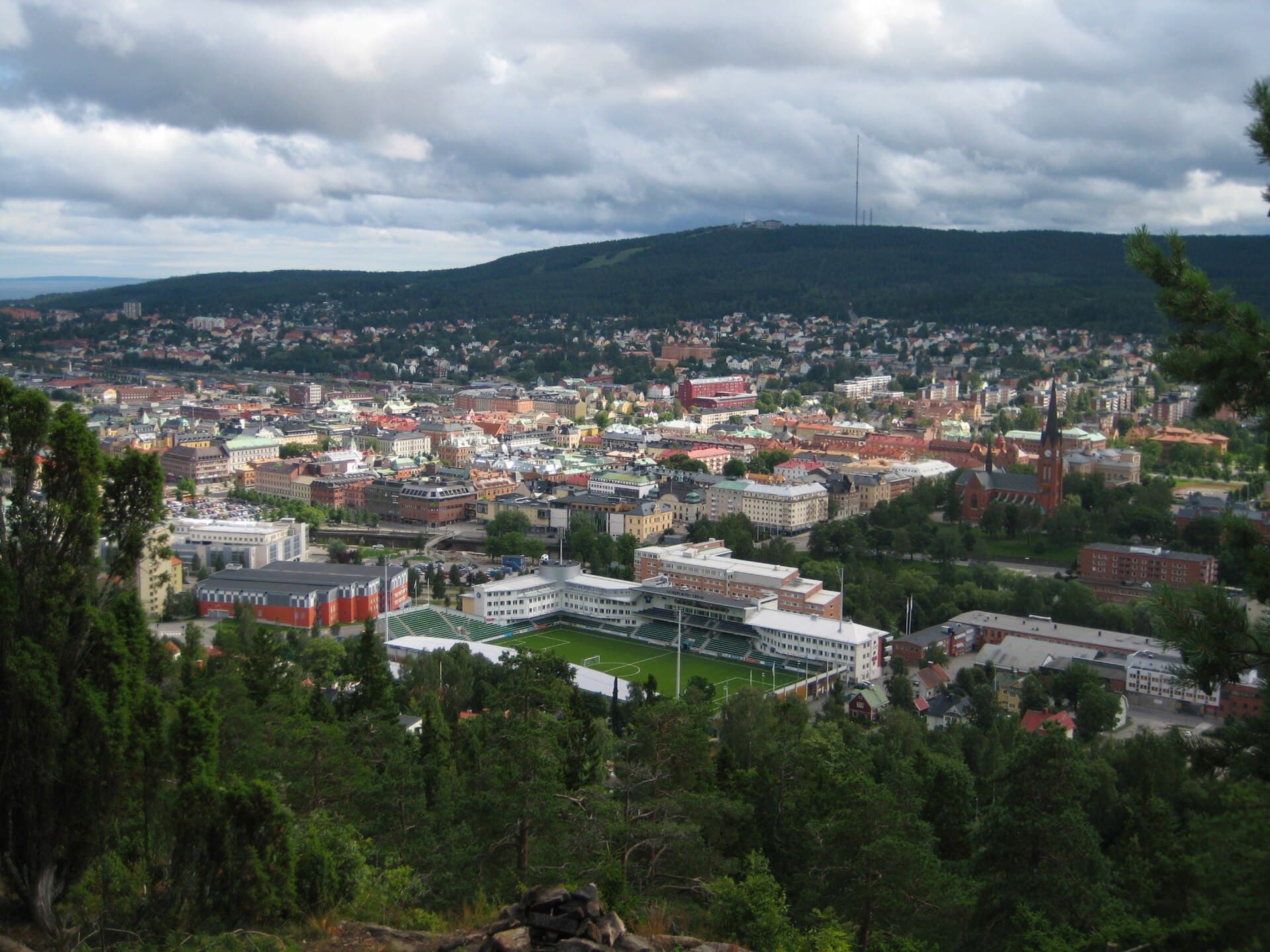 Ö1thpe0807 / CC BY-SA 3.0, via Wikimedia Commons
“Where stone facades tell tales of fire and fortune.”
Not the postcards. The stories even locals don't know — whispered in your ear, right where they happened.
This grand hotel, a symbol of Sundsvall's rebirth, conceals a surprising detail in its opulent design.
Sundsvall's city center, known as Stenstan, stands as a monument to endurance, yet its singular architecture emerged from an unexpected source of prosperity.
Just off Sundsvall's coast lies an island nicknamed 'Norrland's Hawaii,' a moniker hinting at an unforeseen geological past.
Discover every secret of Sundsvall
Every address, every reveal in full — in your ear, right where it happened.
You pick your stops. You walk. The voice reveals what the others miss.
No tours available yet. Check back soon — we're preparing them.
Sundsvall, a city on Sweden's northeast coast, offers a captivating blend of urban sophistication and natural splendor. Known as "Stenstaden" or "The Stone City," its distinctive city center is characterized by grand late 19th-century stone buildings, a testament to its dramatic past. Situated on the Gulf of Bothnia at the mouth of the Selånger River, Sundsvall is surrounded by verdant forests, rolling hills, and a rugged coastline, making it a gateway to outdoor adventures.
Beyond its striking architecture, Sundsvall is a cultural center, home to Mid Sweden University and a variety of cultural institutions. It serves as a practical stop for travelers exploring northern Sweden, offering a relaxed atmosphere with cafés, shops, and a lively local food scene. Whether you are drawn to its historical narrative, its connection to the surrounding wilderness, or its culinary offerings, Sundsvall presents a compelling destination where history and nature intertwine.
Sundsvall's origins trace back to 1621 when King Gustav II Adolf founded the city. An early city plan was approved in 1624, establishing its street layout. For much of its early history, Sundsvall was characterized by narrow streets and wooden buildings, a common architectural style for Scandinavian cities of that era. This reliance on timber, however, made the city vulnerable to fires.
Indeed, Sundsvall has been ravaged by fire multiple times throughout its history. In 1721, a Russian raid during a conflict destroyed much of the city. Further devastating fires occurred in 1803 and 1888. The Great Fire of June 25, 1888, was particularly catastrophic, destroying nearly the entire wooden city center in just nine hours and leaving approximately 9,000 of its 10,000 inhabitants without homes. Fueled by hot, dry weather and strong westerly winds, the fire, which started from sparks from a steamboat chimney or in a brewhouse, became the largest urban blaze in Swedish history.
The disaster prompted an immediate and profound transformation. The city was rebuilt entirely in stone and brick between 1888 and 1890, earning it the nickname "Stenstaden" or "Stone City." This reconstruction was not merely about rebuilding but about preventing future catastrophes. The pre-existing gridiron street layout was retained but improved with wider streets, smaller blocks, and larger open spaces to reduce density and improve firefighting access. The prosperity generated by the booming timber export industry, with local sawmill owners (often called "timber barons"), funded the construction of ornate four-story buildings with lavish facades, towers, turrets, and bay windows, reflecting Neo-Renaissance and eclectic architectural styles. This period of rapid industrial development, particularly in the sawmill industry from the mid-19th century, had already made the region one of the wealthiest in the country. The opening of a railway line in 1874 further connected the port with inland regions, solidifying Sundsvall's role as an important industrial and trade center. Today, Stenstan remains one of the best-preserved examples of a late 19th-century stone city in Sweden.
Begin your exploration in Stenstan, Sundsvall's city center, celebrated for its grand 19th-century stone architecture. Wander its avenues, admire the detailed facades, and visit the Stenstan Visitor Center to delve into the city's distinctive past.
For sweeping views of Sundsvall and the Gulf of Bothnia, ascend to Norra Berget Open-Air Museum. This hilltop park features traditional farmhouses, craft demonstrations, and a small zoo, offering a glimpse into bygone centuries. Another popular outdoor destination is Södra Berget, which provides hiking trails, fitness tracks, and in winter, opportunities for skiing.
Discover Sundsvall's cultural side at Kulturmagasinet, a cultural complex housing the city library and the Sundsvall Museum. Here, exhibitions illuminate the city's historical and artistic heritage, including the narrative of the 1888 fire and the subsequent reconstruction of Stenstan.
Just a short drive north, the Höga Kusten (High Coast) UNESCO World Heritage Site offers dramatic granite cliffs and excellent hiking opportunities. For a coastal experience closer to the city, visit Alnön Island, often called "Norrland's Hawaii," with its sandy beaches and charming fishing villages like Spikarna.
The best time to visit Sundsvall largely depends on your preferred activities. Summer, from June to August, offers mild and pleasant temperatures, ideal for outdoor pursuits like hiking, cycling, and enjoying festivals. July is particularly lively, with many locals on holiday and the city hosting the Gatufesten street festival. Winter (December to February) brings snowy landscapes, perfect for winter sports and a chance to see the Northern Lights. Spring and autumn provide milder weather and fewer crowds, with colorful foliage in the fall.
Sundsvall-Timrå Airport (SDL) serves the city, with regular domestic flights from Stockholm taking less than an hour. Sundsvall Central Station is centrally located, offering train connections from Stockholm (around 3.5 to 4 hours) and other major cities. Intercity buses also connect Sundsvall to various destinations.
Within Sundsvall, the city center is walkable. Public buses, operated by Din Tur, provide local transport, and tickets can be purchased via their app or on board (cashless). Renting a car is recommended for exploring the surrounding natural attractions and coastal routes. Accommodation options range from popular chain hotels in the city center like Clarion Hotel Sundsvall and Elite Hotel Knaust to more budget-friendly choices.
The local currency is the Swedish Krona (SEK). Swedish is the official language, but English is widely spoken, especially in tourist areas.