Gamle Stavanger (Old Stavanger)
The charming white wooden houses of Old Stavanger present a postcard-perfect scene, yet they almost vanished from the urban landscape.
Full story unlocks in the tour
 Ryan Hodnett / CC BY-SA 4.0, via Wikimedia Commons
“Where ancient sagas meet modern innovation, and colorful streets lead to dramatic fjords.”
Not the postcards. The stories even locals don't know — whispered in your ear, right where they happened.
The charming white wooden houses of Old Stavanger present a postcard-perfect scene, yet they almost vanished from the urban landscape.
Stavanger was once known as Norway's 'canning capital,' a surprising distinction for a city now recognized for oil.
Norway's oldest cathedral holds a secret history of fire and profound transformation.
Discover every secret of Stavanger
Every address, every reveal in full — in your ear, right where it happened.
You pick your stops. You walk. The voice reveals what the others miss.
No tours available yet. Check back soon — we're preparing them.
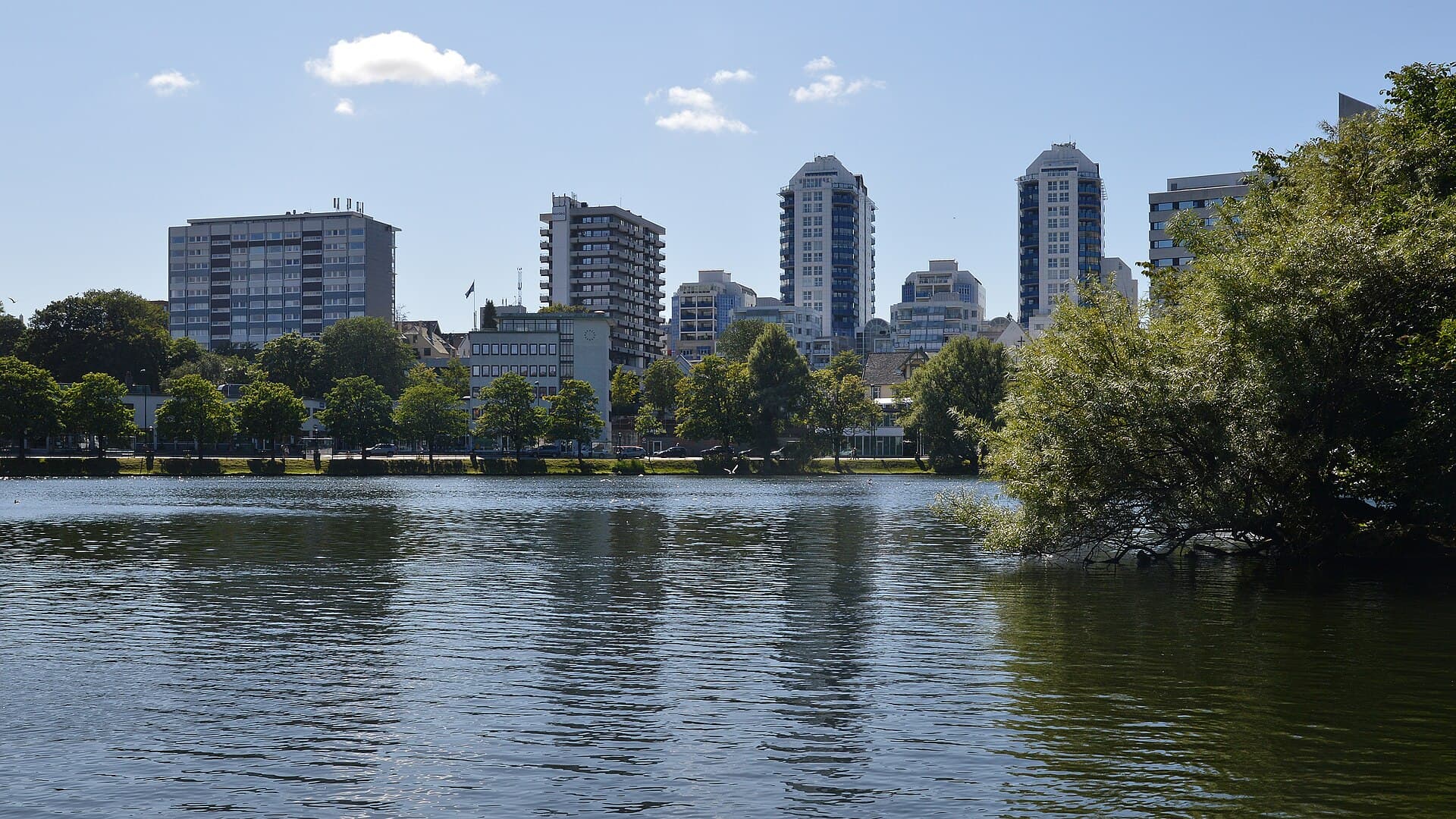
Stavanger, Norway's fourth-largest city, offers a captivating blend of deep history, modern energy, and striking natural beauty. Situated on the Stavanger Peninsula in southwest Norway, the city serves as a gateway to some of the country's most iconic fjord landscapes, including the dramatic Lysefjord and the renowned Pulpit Rock (Preikestolen). While globally recognized as Norway's 'Oil Capital' since the discovery of North Sea oil in 1969, Stavanger has carefully preserved its past, evident in its appealing Old Town and medieval cathedral.
The city's harbor, Vågen, pulses with activity, providing a central point where historic white wooden houses meet contemporary architecture. Beyond its urban appeal, Stavanger's surroundings offer ample opportunities for outdoor adventure, from ascending towering cliffs to exploring tranquil beaches. Awarded the European Capital of Culture in 2008, Stavanger embraces a cosmopolitan atmosphere, enriched by diverse communities and a lively arts and culinary scene.
Whether drawn by its Viking heritage, industrial transformations, or the allure of its fjords, Stavanger delivers a balanced experience of relaxation and adventure, making it a compelling destination for any traveler.
The history of Stavanger stretches back to the end of the last Ice Age, with archaeological evidence of human settlement around 10,000 years ago. The region of North-Jæren, where Stavanger is located, functioned as a significant economic and military center during the Viking Age. The renowned Battle of Hafrsfjord, fought between 870 AD and 900 AD just west of Stavanger, proved pivotal in unifying Norway under King Harald Fairhair.
Stavanger's official founding is marked by the completion of Stavanger Cathedral in 1125, establishing it as an important religious center and bishopric. The city expanded as a market town, its economy closely tied to the sea through fishing and trade. However, the Protestant Reformation in 1536 led to a temporary decline as Stavanger lost its status as a Catholic episcopal center.
The 19th and early 20th centuries saw Stavanger experience an industrial surge, becoming Norway's 'canning capital.' The first canning factory opened in 1873, and by the 1950s, the city was home to over 50 canneries, primarily processing herring and sardines. This era left a lasting mark on the city's social and economic fabric, drawing workers and fostering related industries like printing and packaging.
A radical transformation occurred in 1969 with the discovery of oil in the North Sea. Stavanger was selected as the onshore center for Norway's burgeoning oil industry, earning it the title of 'Oil Capital.' This led to swift population growth, significant investment in infrastructure, and a more cosmopolitan cultural landscape. Today, Stavanger continues to balance its modern energy industry with a strong commitment to preserving its deep cultural heritage, as observed in areas like Gamle Stavanger.
Begin your exploration in Gamle Stavanger (Old Stavanger), a remarkably preserved district containing 173 white wooden houses from the 18th and 19th centuries. Wander its stone-paved paths, admire the flower-filled window boxes, and explore the art galleries and handicraft boutiques.
Nearby, the Stavanger Cathedral stands as Norway's oldest cathedral, dating back to 1125. Its Romanesque and Gothic architecture offers a window into the city's medieval past.
For a burst of color, make your way to Fargegaten (Color Street), officially Øvre Holmegate. This pedestrian street is celebrated for its brightly painted buildings, housing distinctive cafes, bars, and unique concept stores.
Delve into Stavanger's industrial heritage at IDDIS, the Norwegian Printing and Canning Museum. Discover the city's past as the 'canning capital' through engaging exhibits.
To understand Stavanger's modern identity, visit the Norwegian Petroleum Museum. Its distinctive architecture, evoking coastal rocks and oil platforms, houses interactive exhibits on Norway's oil and gas industry.
Beyond the city center, consider a fjord cruise to Lysefjord, where you can gaze upon towering cliffs and waterfalls, and view the iconic Pulpit Rock (Preikestolen) from the water.
For those seeking an active adventure, a hike to Preikestolen (Pulpit Rock) offers expansive panoramic views of the fjord.
The ideal time to visit Stavanger for warm-weather activities is during the summer, from June to August. During these months, temperatures are mild, averaging around 15-20°C, and daylight hours are long. While summer is peak season with more visitors and potentially higher prices, it's perfect for hiking and outdoor excursions like exploring the fjords. Shoulder seasons, particularly May–June and September, offer a good balance of pleasant weather, fewer crowds, and more affordable rates. Autumn (September-October) brings clear air and vivid colors, excellent for peaceful walks.
The currency in Stavanger, and throughout Norway, is the Norwegian Krone (NOK). While credit cards are widely accepted, it's wise to carry some local currency for smaller purchases. The official language is Norwegian, but English is commonly spoken, especially in tourist areas.
Stavanger Airport (SVG) is the main international gateway. From the airport, you can reach the city center by taxi (approximately 15 minutes, around €45/NOK 500) or by the Flybussen Airport Express coach (approximately 30 minutes, around €14/NOK 158). Local public transport, operated by Kolumbus, includes buses and ferries, providing convenient ways to navigate the city and to nearby islands. Taxis are available, though they can be expensive, and ride-sharing services like Uber are also present. Stavanger is also a city easily explored on foot, particularly its compact city center.