Platja de la Fragata
This popular beach, lively with sports and sunbathers, carries a name with a surprising origin.
Full story unlocks in the tour
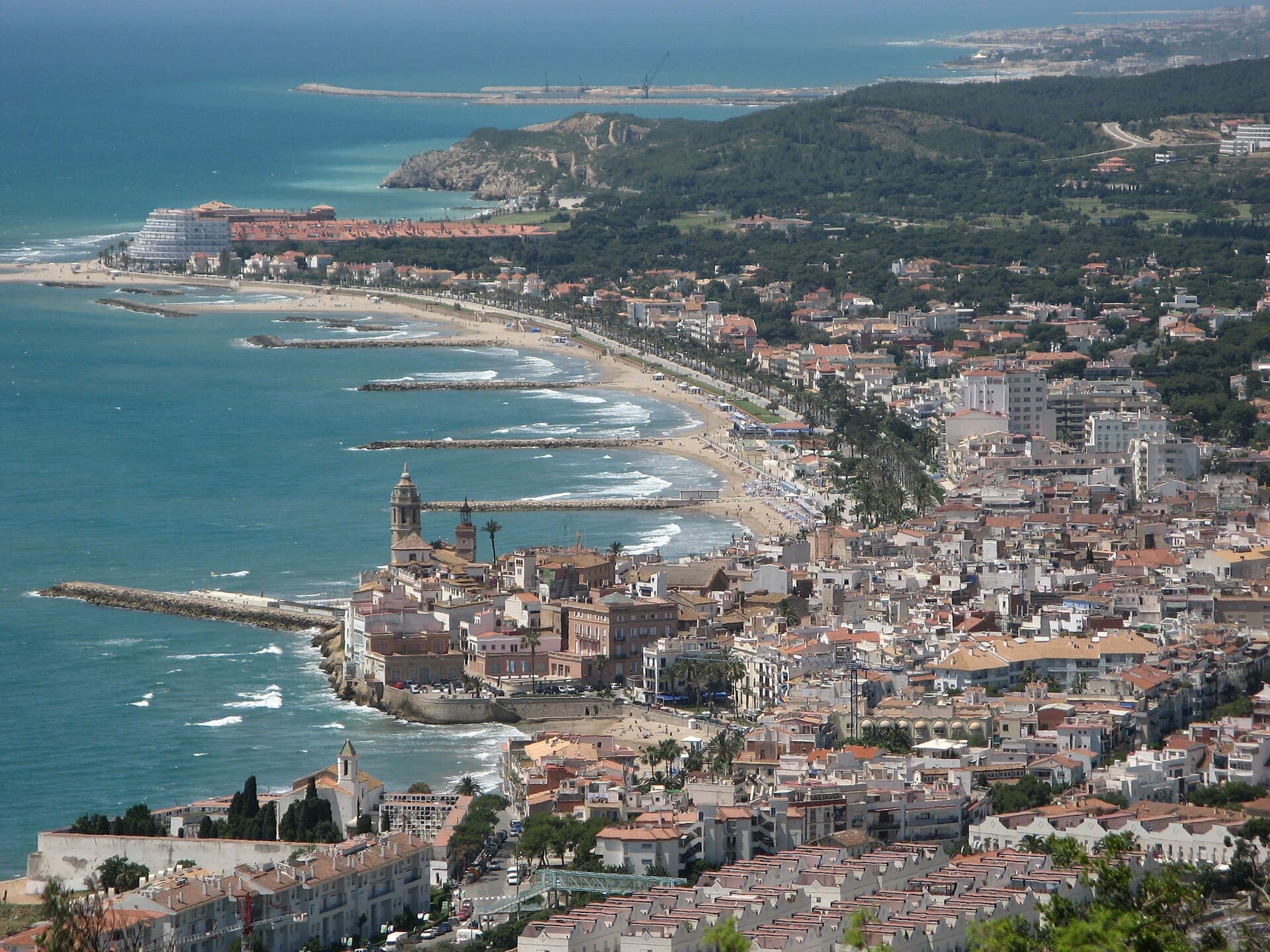 Werner Lang (Wela49) / CC BY-SA 3.0, via Wikimedia Commons
“Where the Mediterranean light inspires art and a liberal spirit thrives.”
Not the postcards. The stories even locals don't know — whispered in your ear, right where they happened.
This popular beach, lively with sports and sunbathers, carries a name with a surprising origin.
The elegant municipal building stands on a site with a much older, more practical past, hinting at Sitges' original purpose.
Before it became a global nightlife empire, the iconic Pacha nightclub brand had a humble, yet pioneering, beginning in this coastal town.
Discover every secret of Sitges
Every address, every reveal in full — in your ear, right where it happened.
You pick your stops. You walk. The voice reveals what the others miss.
No tours available yet. Check back soon — we're preparing them.
Sitges, a coastal town just 35 kilometers southwest of Barcelona, offers a distinctive blend of Mediterranean allure, artistic heritage, and a famously open-minded atmosphere. Shielded by the Garraf Massif, the town enjoys a microclimate with over 300 days of sunshine annually, making its sandy shores a major draw. Beyond the golden sands, Sitges captivates with its winding streets, modernist architecture, and a lively cultural scene that has attracted artists and intellectuals for centuries.
Once a small fishing village, Sitges has evolved into a cosmopolitan destination, known for its festivals, gastronomy, and a welcoming spirit that embraces diversity. It's a place where history is visible in every corner, from medieval remnants to extravagant colonial-style villas built by returning "Americans" who made their fortunes in the New World. Whether you seek relaxation by the sea, exploration of artistic treasures, or a lively evening out, Sitges provides a rich and varied experience.
The origins of Sitges trace back to Roman times, when it was known as "Sitja." Archaeological findings suggest continuous occupation from the 6th century BC to the 1st century AD, with evidence of a Roman villa in the Vinyet area between the 1st and 3rd centuries AD. The town's name itself, Sitges, is the plural of the Catalan word sitja, meaning 'silos' or 'granaries,' indicating its historical use for grain storage. By the 11th century, a castle stood where the current town hall is located, marking Sitges' early medieval significance.
The Middle Ages saw Sitges flourish as a fishing and commercial port, with its economy primarily based on wine production. The town was fortified, with remnants of its protective walls still visible today, a testament to its turbulent past of pirate attacks and sieges during conflicts like the Franco-Spanish War. In the 18th century, Catalonia gained permission to trade directly with America, leading many locals, known as "Americans," to seek their fortunes overseas. Upon their return, these individuals built extravagant manor houses along the seafront, contributing to Sitges' distinctive architectural landscape.
The late 19th century marked a significant cultural turning point when Sitges became a magnet for bohemian artists, writers, and intellectuals, including Santiago Rusiñol, a key figure in Catalan Modernism. This artistic movement left an indelible mark on the town's architecture and cultural identity. During the Francoist regime in the 1960s, Sitges emerged as a center for Spain's counterculture movement, earning it the nickname "Ibiza in miniature" due to its liberal and artistic vibe. Today, Sitges continues to cherish its historic roots while embracing a forward-looking, easy-going character, evident in its museums, festivals, and community.
Begin your exploration in Sitges' Old Town, a labyrinth of medieval streets lined with whitewashed buildings and hanging plants. The iconic Church of Sant Bartomeu i Santa Tecla, a 17th-century Baroque structure, dramatically overlooks the sea and promenade, offering picturesque views. Stroll along the Passeig Maritim, a wide promenade stretching along the coastline, connecting various beaches and providing scenic vistas of the Mediterranean. Along this walk, you'll encounter modernist villas, a testament to the town's architectural heritage.
For art enthusiasts, the Cau Ferrat Museum, once the home and workshop of artist Santiago Rusiñol, showcases his art and seasonal exhibitions. Nearby, the Maricel Museum offers further insight into the region's artistic and cultural richness. Sitges is also renowned for its numerous beaches; with 17 sandy stretches, you can choose between lively central spots like Platja de Sant Sebastià and Platja de la Fragata, or seek out quieter coves. Don't miss the opportunity to explore the Garraf Natural Park, which borders the town, offering hiking trails and natural beauty.
Sitges enjoys a mild, Mediterranean climate year-round, with over 300 sunny days. The ideal time to visit depends on your preferences. For warm weather, swimming, and manageable crowds, late May, June, or September are excellent choices, with temperatures ranging from 22-27°C. July and August are the busiest and hottest months, reaching around 30°C, perfect for lively beach days but expect more tourists and higher prices. Autumn (September-October) offers warm seas and a cinematic light, while winter (November-February) brings a quieter charm, mild temperatures, and cultural events like Carnaval de Sitges.
Sitges is easily accessible, located about 45 minutes from Barcelona's El Prat airport by car. Direct buses run from the airport to Sitges, or you can take a train from Barcelona Sants station, a journey of 30-40 minutes. Once in Sitges, the town is small and walkable, with most attractions within easy reach. If you plan to stay more than a day, consider booking accommodation in the central part of town to be close to everything. While tap water is safe to drink, many visitors prefer bottled water due to its hardness and taste. Catalan is the official language, but Spanish is widely spoken, and English is common in tourist areas. For international buyers interested in property, obtaining an NIE (foreigner's identification number) and working with local experts is essential.