Sherbrooke's Electric Street Lighting
Sherbrooke embraced a groundbreaking technology early, distinguishing itself among Canadian cities.
Full story unlocks in the tour
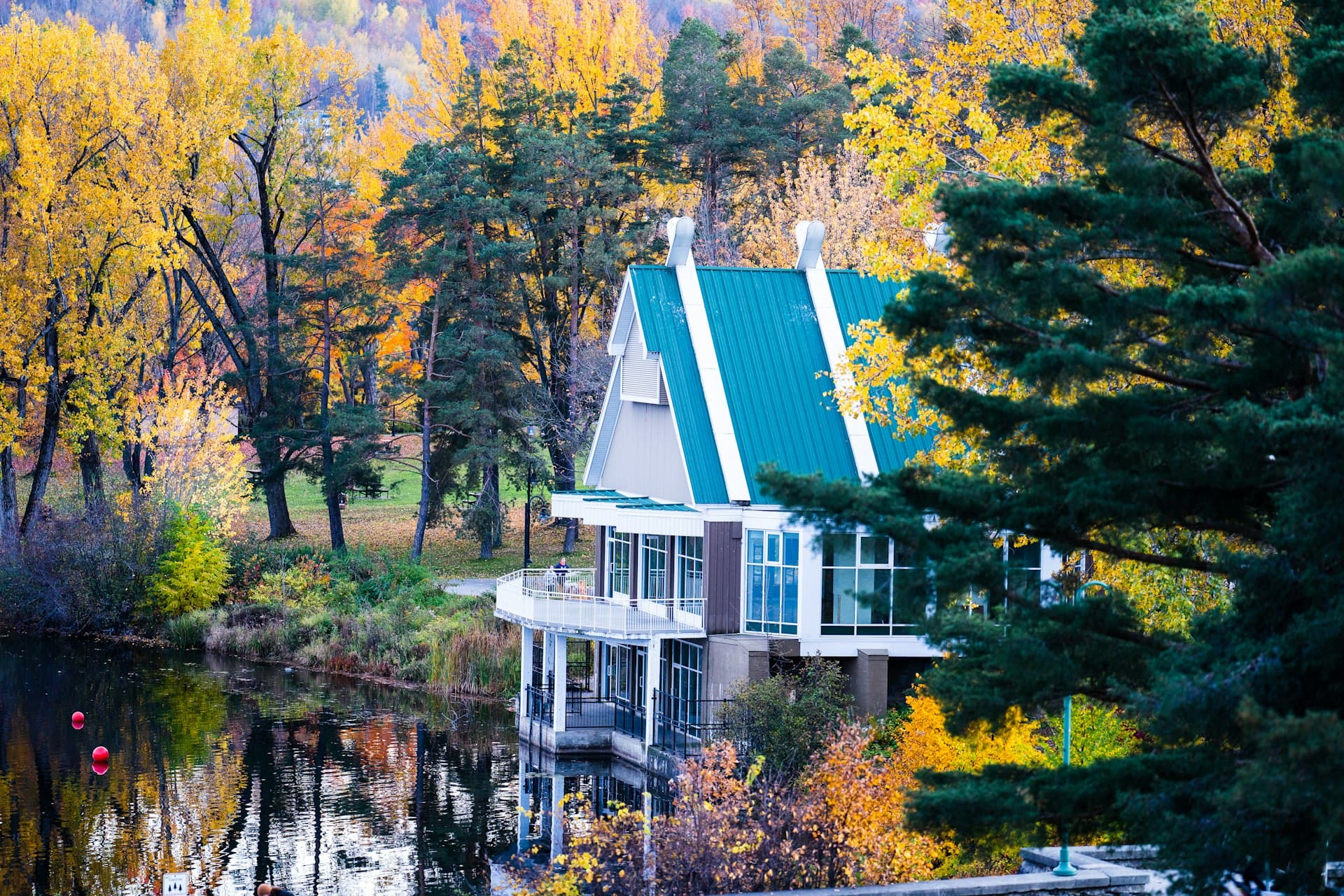 Photo: Khysrow Akbari / Unsplash
“Where two rivers converge, a lively culture unfolds.”
Not the postcards. The stories even locals don't know — whispered in your ear, right where they happened.
Sherbrooke embraced a groundbreaking technology early, distinguishing itself among Canadian cities.
Regional lore offers a whimsical explanation for a unique architectural style found throughout the area.
During a global conflict, Sherbrooke played an unexpected role in housing enemy combatants.
Discover every secret of Sherbrooke
Every address, every reveal in full — in your ear, right where it happened.
You pick your stops. You walk. The voice reveals what the others miss.
No tours available yet. Check back soon — we're preparing them.
Sherbrooke, a dynamic city in southern Quebec, stands at the confluence of the Saint-François and Magog rivers, serving as the administrative and cultural heart of the Estrie region. This city offers a compelling blend of urban energy and natural beauty. Its diverse population and bilingual identity, with both French and English woven into daily life, contribute to a cosmopolitan atmosphere.
Beyond its picturesque rivers and surrounding Appalachian foothills, Sherbrooke is a significant educational and research hub, home to two major universities: the Université de Sherbrooke and Bishop's University. This academic presence infuses the city with youthful energy and a thriving arts and cultural scene, evident in its numerous galleries, theaters, and year-round festivals. From its distinctive open-air mural gallery to its expansive green spaces, Sherbrooke invites exploration and connection with both its heritage and its natural surroundings.
The history of Sherbrooke extends back thousands of years, with the Abenaki people inhabiting these lands and referring to the area as "Ktantaskbagw," meaning "Great Forks," acknowledging the strategic meeting point of the Magog and Saint-François rivers. This confluence was an important portage site and navigable waterway. The modern settlement's origins trace back to 1793 when American Loyalist Gilbert Hyatt established the first grist mill, leading the area to be known as Hyatt's Mills.
In 1818, the village was officially renamed Sherbrooke, honoring Sir John Coape Sherbrooke, who served as Governor General of British North America. The arrival of the railway in the mid-1800s was a pivotal moment, transforming Sherbrooke into a vital transportation and industrial hub with connections across Eastern Canada and into the United States. The British American Land Company, formed in 1832, further fueled development by investing in infrastructure and attracting capital. Sherbrooke's location, with elevation changes on the Magog River, provided ideal conditions for hydropower, powering sawmills, carding mills, and later, large textile factories. The city's industrial success led to its recognition as a prominent regional center by the early 20th century.
Initially settled by English-speaking Protestants and British immigrants, Sherbrooke's demographic began to shift in the mid-19th century with a significant influx of French Canadians seeking factory work. This migration created a unique cultural environment where Victorian-era English traditions intertwined with Quebec's French culture. By 1871, Francophones constituted the majority of the population. This bilingual heritage continues to define Sherbrooke today.
From the 1950s onward, as steel and textile industries declined, Sherbrooke's economy diversified, with the service sector, education, and healthcare becoming prominent. Today, Sherbrooke is recognized as an academic and research powerhouse, contributing significantly to its economy and intellectual life. The city continues to balance its industrial past with a focus on education, culture, and outdoor recreation, preserving its history while embracing modern development.
Begin your exploration in Vieux Sherbrooke, the city's historical center, where 19th-century granite buildings line the Magog River. Be sure to experience the Mural Tour, an open-air gallery showcasing over a dozen large-scale murals that depict the region's history and cultural diversity. Each mural is rich with symbolism and meticulous detail.
For a dose of nature, visit Parc du Mont-Bellevue, a large urban park offering hiking and mountain biking trails with expansive city views. In winter, it transforms into a ski center. Stroll along the waterfront promenade that encircles Lac des Nations, a central urban oasis perfect for walking, cycling, or paddle sports. The Musée des Beaux-Arts de Sherbrooke presents a collection of Quebec fine art, with an emphasis on artists from the Eastern Townships. For those interested in natural history and science, the Musée de la Nature et des Sciences de Sherbrooke offers interactive exhibits.
Explore Marché de la Gare, a market offering fresh produce and artisanal food, reflecting the region's culinary offerings. Consider a visit to the Frontenac Power Plant, one of Quebec's oldest operational hydroelectricity plants. For architectural enthusiasts, the Saint-Michel Basilica-Cathedral, a 19th-century landmark, is worth seeing.
Sherbrooke experiences a humid continental climate with four distinct seasons. The warmest period for outdoor activities is from late June to early September, with July being the warmest month, averaging around 20.3°C (68.5°F) and highs reaching 24.7°C (76.5°F). June and August also offer mild weather, ideal for exploration. For cultural pursuits, May and September provide pleasant temperatures around 18°C (64°F) with milder humidity. Autumn, particularly late September into early October, is excellent for viewing the brilliant fall foliage and enjoying bug-free hiking trails. Winters are cold and snowy, with January being the coldest month, averaging -8.2°C (17.2°F). This season is perfect for winter sports enthusiasts.
Sherbrooke is approximately a 2-hour drive east of Montreal and is well-connected by intercity buses. The city itself is quite walkable, especially the downtown core, but public transit (STS buses) is affordable and efficient, with many lines running twice an hour. A car is not strictly necessary but can be helpful for exploring the wider Eastern Townships region. Sherbrooke is considered a very safe city, with well-lit main streets. The cost of living is generally lower than in larger Canadian cities like Montreal. While French is predominant, Sherbrooke has a strong bilingual identity, and many people, particularly in service industries, speak English. It's always a good idea to have a light jacket for evenings, even in summer, due to potential temperature drops. Given the likelihood of precipitation year-round, a compact umbrella or raincoat is recommended.