Shantou Old Town
The architectural style of Shantou's Old Town tells a story of global connections, but it's not just European influence you'll see.
Full story unlocks in the tour
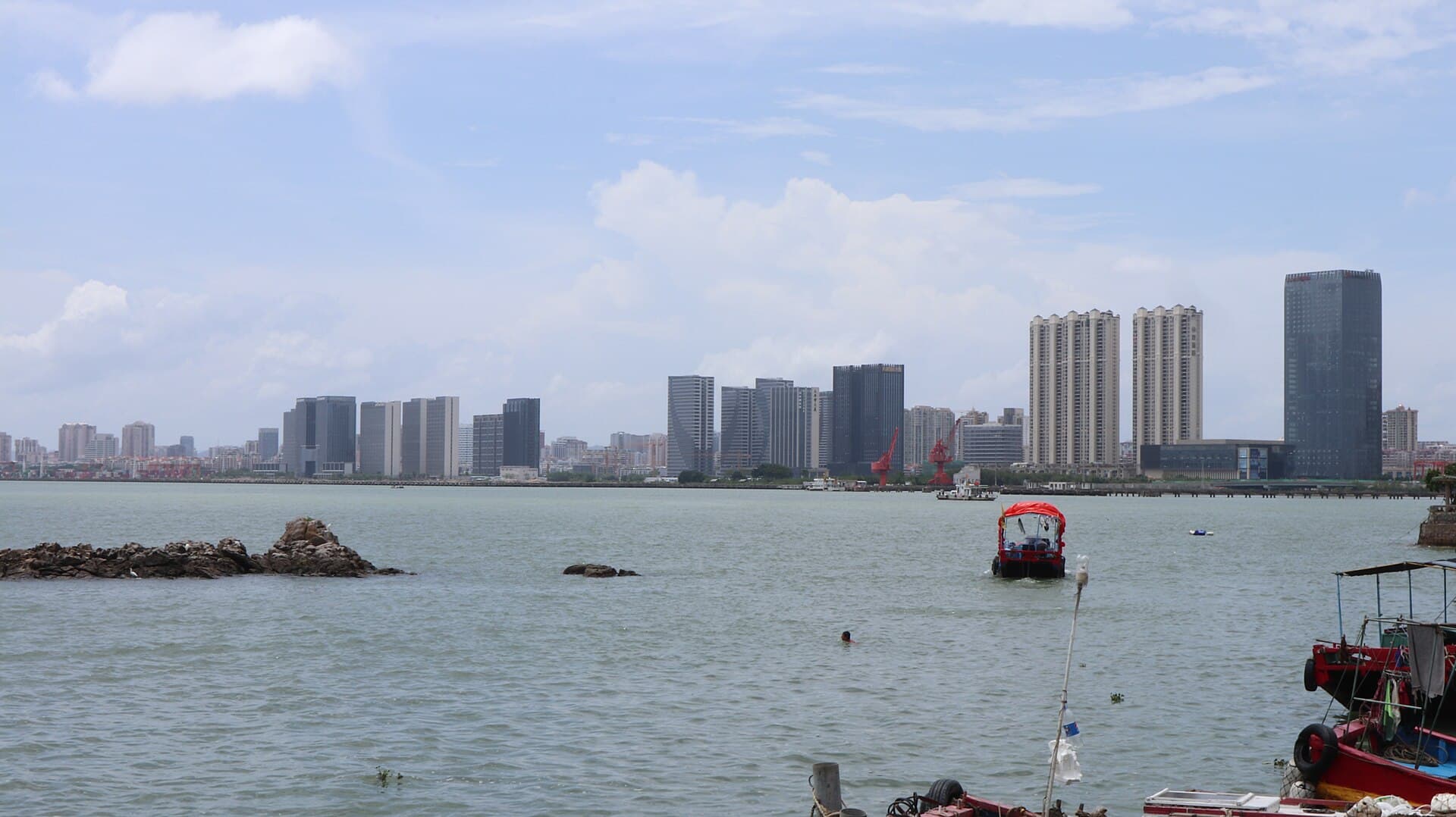 Puekai / CC BY-SA 4.0, via Wikimedia Commons
“Where ancient trade routes echo in arcade-lined streets.”
Not the postcards. The stories even locals don't know — whispered in your ear, right where they happened.
The architectural style of Shantou's Old Town tells a story of global connections, but it's not just European influence you'll see.
This island is a popular escape for its beaches and seafood, but it holds a unique geographical distinction that few coastal cities can claim.
Shantou locals are known for their intense devotion to tea, a passion so profound it's captured in a local saying.
Discover every secret of Shantou
Every address, every reveal in full — in your ear, right where it happened.
You pick your stops. You walk. The voice reveals what the others miss.
No tours available yet. Check back soon — we're preparing them.
Shantou, also known as Swatow, rests on the eastern coast of Guangdong, China, at the mouth of the Han River. Once a modest fishing village, Shantou transformed into a significant port, its growth accelerating dramatically after its designation as a treaty port in 1860. This coastal crossroads became a vital maritime gateway for Guangdong Province and a primary departure point for millions of Chinese emigrants seeking new lives in Southeast Asia and beyond.
Today, Shantou is a dynamic city that weaves its past as a trading post with the energy of a modern Special Economic Zone. It is the heart of the distinctive Chaoshan culture, celebrated for its unique dialect, opera, and especially its acclaimed cuisine and tea traditions. Travelers can wander through a fascinating architectural landscape, savor world-class local delicacies, and experience a city that gently reveals its allure through intricate customs and the lingering echoes of journeys that began across oceans.
## From Fishing Village to Treaty Port Shantou's story begins as a small fishing village named Shashan Ping in the mid-16th century. Its transformation commenced in the 17th century with the establishment of a military post named "Shantou" during the Qing dynasty, and Fort Shashantou was erected in 1717 to strengthen coastal defenses.
The 19th century marked a pivotal turning point. Following the Opium Wars, under the Treaty of Tianjin in 1858, the nearby city of Chaozhou was opened to foreign trade. However, foreign merchants found Shantou, being closer to the sea, a more suitable and secure location, leading to its official opening as a trading port in 1860. This event ignited swift economic growth, establishing Shantou as a major center for exporting goods like sugar and tea.
## A Nexus of Emigration and Cultural Exchange Shantou swiftly became one of the primary ports for Chinese emigrants journeying to Southeast Asian countries, fostering close ties with a global Chinese diaspora. Between 1880 and 1909 alone, approximately 2.5 million emigrants departed from Shantou. This era also witnessed the emergence of a distinctive architectural blend, particularly in the Old Town's qilou style, which incorporated Southeast Asian influences alongside European colonial designs.
## Challenges and Modern Development Shantou officially gained city status in 1921. The city endured significant challenges, including a devastating typhoon in 1922 that claimed over 5,000 lives and severe damage from Japanese bombardments during the Second Sino-Japanese War, with occupation from 1939 to 1945. Despite these difficulties, Shantou was designated one of China's first four Special Economic Zones (SEZ) in 1980, marking a new phase of modernization and economic openness. The SEZ expanded to encompass the entire city in 1991, further accelerating its development.
Today, Shantou remains eastern Guangdong's economic center, with a diversified industrial base including photochemistry, textiles, processed foods, and electronic products. Its history as a port, a center of emigration, and a Special Economic Zone has shaped its unique cultural identity and its enduring connections to the wider world.
Begin your exploration in Shantou Old Town, especially around the Small Park (Xiaogongyuan) historical area. This district displays a unique blend of European colonial and traditional Chinese qilou (arcade houses), reflecting its past as a significant trading port. While some buildings are undergoing renovation, many still retain a charming, faded grandeur.
For a change of scenery, journey to Nan'ao Island, an archipelago accessible by bridge. This island offers unspoiled beaches like Qing Ao, picturesque hiking trails on Huanghua Mountain, and excellent opportunities for bird-watching. It is also a delightful place to savor fresh seafood.
Those who appreciate nature will find the Queshi Scenic Area appealing, located across the harbor from the city center. This area features dramatic granite hills, intriguing caves, and abundant subtropical vegetation, with expansive views of the Shantou skyline from its summits. Be sure to visit the Chen Cihong Former Residence, a grand complex that offers insight into the lives of the region's historical merchant families.
To delve deeper into the city's past, explore the Shantou Founding Museum, which focuses on its establishment as a treaty port. The Shantou Museum offers broader historical displays, including artifacts from the ancient Maritime Silk Road. For a quiet escape, Zhongshan Park provides a serene green space with traditional Chinese landscape artistry, complete with a zoo and various entertainment options.
The ideal time to visit Shantou is during autumn (October and November) and early spring (mid-March to April). Autumn offers pleasant, dry weather with temperatures ranging from 20°C to 30°C (68°F to 86°F), making it perfect for outdoor activities and enjoying local seafood, which is at its peak. Early spring brings warm and moist conditions, suitable for witnessing blooming flowers and experiencing local tea culture, with fewer crowds. Summers (May to September) are hot and humid with heavy rains, while winters (December to February) are mild but can be cloudy and windy.
Jieyang Chaoshan International Airport (SWA) serves Shantou with international flights to major Asian cities and numerous domestic connections. High-speed trains link Shantou to cities like Xiamen and Shenzhen, providing access to many of China's major urban centers. Long-distance buses also operate to cities such as Hong Kong, Shenzhen, and Xiamen.
Within Shantou, local buses are available for navigating the city. For accommodation, popular areas include the Shantou Free Trade Zone for business and dining, the tranquil Queshi Scenic Area, or Nan'ao Island for a quieter, fishing village experience. While exploring, be prepared for potentially below-standard restrooms at highway stops if traveling by car. For an authentic culinary experience, seek out local eateries for specialties like beef hotpot and oyster omelets.