Roman Amphitheatre
Senlis once hosted spectacles on a grand scale, but the arena wasn't always easy to find.
Full story unlocks in the tour
 Tango7174 / CC BY-SA 4.0, via Wikimedia Commons
“Where Roman stones meet Capetian echoes, and white shutters guard centuries of stories.”
Not the postcards. The stories even locals don't know — whispered in your ear, right where they happened.
Senlis once hosted spectacles on a grand scale, but the arena wasn't always easy to find.
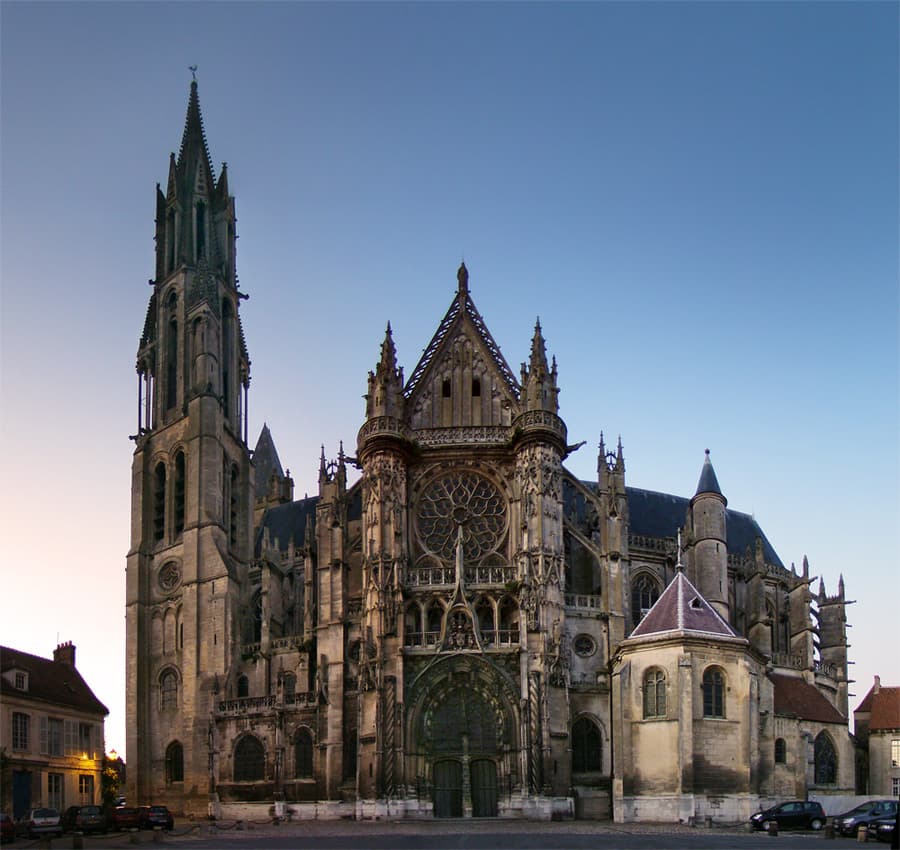
This early Gothic masterpiece holds a secret that links it to two other significant French cathedrals.
Wandering the streets of Senlis, you might notice a recurring color choice for the building accents.
Discover every secret of Senlis
Every address, every reveal in full — in your ear, right where it happened.
You pick your stops. You walk. The voice reveals what the others miss.
No tours available yet. Check back soon — we're preparing them.
Just 40 kilometers north of Paris, Senlis offers a captivating journey through time, a medieval town where Roman foundations underpin its long story. Unlike more bustling tourist destinations, Senlis maintains a quiet authenticity, inviting visitors to wander its stone streets and discover its layered past at a relaxed pace. It's a place where ancient stones and fragrant gardens tell stories of centuries gone by, making it an ideal escape for those seeking an intimate experience of French history and countryside life.
Senlis is a town that feels lived-in rather than staged, with morning bells and the warmth of bakeries replacing big-city noise. Its allure lies in the details: flower-covered facades, timber-framed houses, and unexpected vistas down narrow lanes. Whether you're exploring Roman ruins, savoring local cuisine in a rustic courtyard, or browsing the weekly market, Senlis delivers a blend of culture, tranquility, and scenic beauty.
## From Roman Augustomagus to Royal City Senlis began its long story as the Roman settlement of Augustomagus, meaning 'Augustus' market,' and later became Civitas Silvanectium, 'City of the Silvanectes,' in the 4th century. During the 3rd century, a seven-meter-high defensive Gallo-Roman wall was constructed to protect the settlement from Frankish incursions, with about half of it still standing today. The town also featured a significant Roman amphitheatre, capable of holding up to 11,000 people for public gatherings and spectacles.
Senlis played a pivotal role in early French history. In 987, Hugh Capet, founder of the Capetian dynasty, was elected King of the Franks within the royal castle's grounds in Senlis, solidifying the region's connection to the new dynasty. Though crowned in Noyon, Senlis became a royal city and remained so until the reign of Charles X in the 19th century. The 12th century marked a golden age for Senlis, fueled by trade in wool and leather, and the emergence of vineyards. It was during this period, between 1153 and 1191, that the impressive Notre-Dame Cathedral, one of the earliest Gothic structures in France, was constructed.
Despite periods of prosperity, Senlis faced challenges. The Hundred Years' War in the 14th and 15th centuries brought economic hardship and was accompanied by a devastating plague in 1323. However, the town slowly rebuilt, strengthening its defenses under Louis XI and seeing the bourgeoisie invest in fine mansions. The 16th and 17th centuries saw a return to prosperity, with Senlis even supporting Henri IV, who granted the town fiscal advantages in gratitude for its loyalty. While later monarchs favored other residences like Compiègne and Fontainebleau, Senlis retained its royal city status. The 19th century brought a quieter period as railway development bypassed the town, but the 20th century saw renewed economic development with the opening of the A1 motorway and Charles de Gaulle Airport.
Begin your exploration at the Cathédrale Notre-Dame de Senlis, a 12th-century masterpiece of early Gothic architecture with an elegant 13th-century spire reaching 78 meters. Next to the cathedral, the Musée d'Art et d'Archéologie occupies the former Episcopal Palace and houses Gallo-Roman artifacts and later paintings. Wander through the Medieval Town Centre, a maze of stone streets, half-timbered houses, and charming squares. Look for ancient wells and carved doorways as you explore picturesque lanes like Rue du Châtel and Rue de la Treille.
Discover the remnants of Senlis's Roman past at the Roman Walls and Amphitheatre. Parts of the original Gallo-Roman wall are still visible, and the remains of the amphitheatre offer a quiet space for reflection. For a peaceful stroll, the Jardin du Roy and City Ramparts provide gardens along the old city walls with views over the rooftops of Senlis. Consider visiting the Musée des Spahis, which explores the town's history as a garrison, or the Hunting Museum for an illustrated history of hunting with hounds. Don't miss the opportunity to explore the vaulted cellars of the Middle Ages beneath the stone paths; guided tours are available through the tourist office.
Senlis is a year-round destination, but spring and early autumn offer particularly pleasant mild weather and blooming gardens. May and September are excellent for avoiding crowds while still enjoying good weather. Summer brings a livelier atmosphere with events and more visitors, while winter, though quieter, has its own appeal, especially when the town is illuminated for the festive season. For warm-weather activities, mid-June to early September is ideal, with average daily high temperatures above 70°F (21°C).
Senlis is approximately 50 kilometers north of Paris. While there's no direct train station in Senlis, you can take a train from Paris Gare du Nord to Chantilly or Creil, followed by a short bus or taxi ride into town. The journey from Paris by car via the A1 motorway takes under an hour. Charles de Gaulle Airport is only 40 minutes away by car. Senlis is best explored on foot to fully appreciate its historic streets and architecture. Parking is available around Senlis, including near the town center and cathedral, and is generally free outside of market hours. Wear comfortable shoes for uneven paths and consider bringing layers, as the forest air can shift quickly.