Ubagami Kakizaki Shrine
Deep in Sendai's lore, a samurai's loyal steed met a tragic end. The tale says he leapt from castle cliffs, not in defeat, but in devotion.
Full story unlocks in the tour
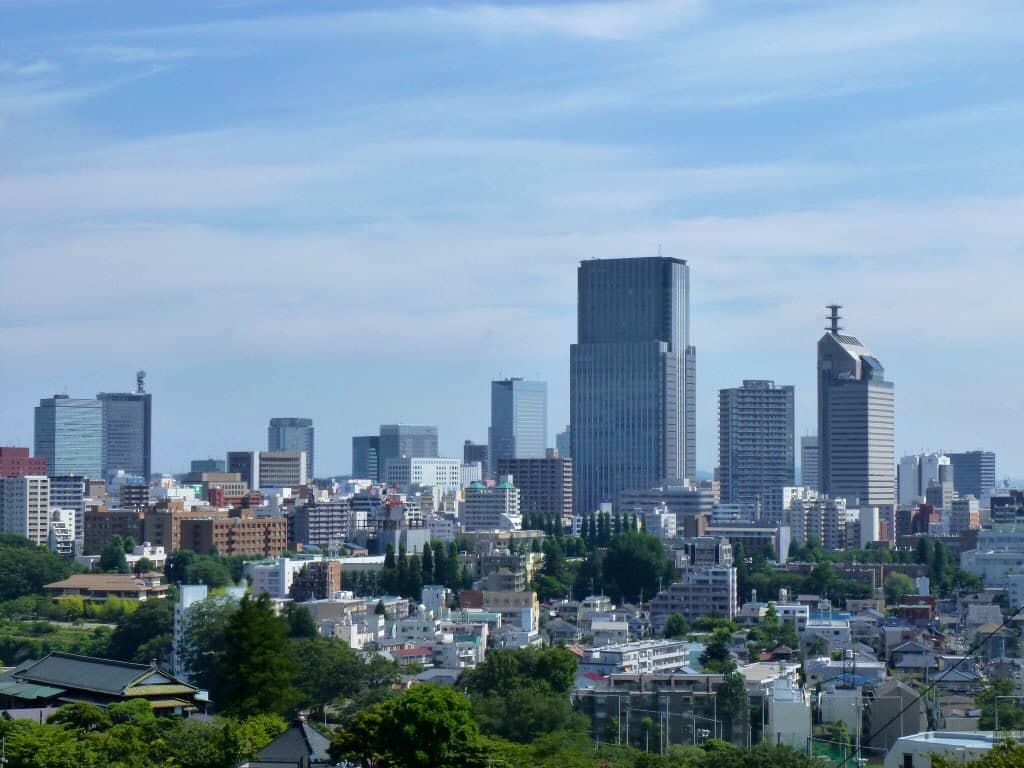 Nryate / CC BY-SA 4.0, via Wikimedia Commons
“Sendai: where samurai legacy meets a city of trees, quietly thriving.”
Not the postcards. The stories even locals don't know — whispered in your ear, right where they happened.
Deep in Sendai's lore, a samurai's loyal steed met a tragic end. The tale says he leapt from castle cliffs, not in defeat, but in devotion.
Beneath Sendai's modern streets lies a deliberate grid plan, a secret blueprint laid out not by urban planners, but by a legendary feudal lord.
Sendai's verdant avenues weren't always a natural occurrence; their origins trace back to a surprising directive from a powerful leader centuries ago.
Discover every secret of Sendai
Every address, every reveal in full — in your ear, right where it happened.
You pick your stops. You walk. The voice reveals what the others miss.
No tours available yet. Check back soon — we're preparing them.
Sendai, the largest city in Japan's Tohoku region, offers a compelling blend of history, nature, and culinary delights. Known as the "City of Trees" for its abundant greenery and tree-lined avenues like Jozenji-dori, it presents a more relaxed atmosphere compared to Japan's bustling metropolises. This urban center serves as an ideal base for exploring the wider Tohoku region, yet it holds its own charm with a compact city center that makes navigating its attractions straightforward. From its samurai heritage to its lively festivals and distinctive local cuisine, Sendai invites visitors to uncover its unique character.
The city's resilience is notable, particularly in its recovery from the Great East Japan Earthquake and tsunami in 2011, which severely impacted coastal areas. More than a decade later, Sendai has rebuilt, demonstrating strength and a harmonious coexistence with its natural surroundings. Whether you seek historical insights, outdoor excursions, or a culinary adventure, Sendai provides a memorable experience without the overwhelming crowds often found in other major Japanese cities.
The history of Sendai as a city officially began in 1600, when the powerful daimyo Date Masamune, often called the "One-Eyed Dragon," relocated his main base here. Masamune, dissatisfied with his previous stronghold, Iwadeyama, chose Sendai for its central location within his territories and its accessibility from Edo (modern-day Tokyo). After the Battle of Sekigahara, Tokugawa Ieyasu granted Masamune permission to construct a new castle on Aobayama. Construction of Sendai Castle commenced in December 1600, with the surrounding castle town planned and developed in 1601. The grid plan of contemporary central Sendai's roads still reflects Masamune's original designs.
Under Masamune's leadership, Sendai flourished as a significant administrative and military center, becoming the capital of the influential Sendai Domain. He was not only a tactician but also a patron of culture, transforming the city into a thriving political and economic hub. In 1613, Masamune dispatched the Keicho Mission to Europe, led by his retainer Hasekura Tsunenaga, to establish trade and invite missionaries. This diplomatic endeavor, which involved crossing both the Pacific and Atlantic Oceans, marked the first time Japanese individuals traversed the Atlantic, and the mission was granted an audience with Pope Paul V.
Sendai continued to grow, with the first railway line connecting it to Tokyo opening in 1887, significantly improving travel between the two cities. Tohoku Imperial University, founded in Sendai in 1907, made history in 1913 by becoming the first Japanese university to admit female students. Sendai was officially incorporated as a city on April 1, 1889, and its population surpassed one million in 1999, solidifying its status as the largest metropolis in the Tohoku region.
The city faced significant challenges, including a powerful earthquake in Miyagi Prefecture in 1978, which spurred advancements in earthquake-resistant construction in Japan. More recently, Sendai was the closest major city to the epicenter of the Great East Japan Earthquake and tsunami on March 11, 2011. The event caused widespread devastation, particularly along the coast. However, Sendai has demonstrated remarkable resilience, undertaking extensive reconstruction efforts and implementing advanced disaster preparedness measures.
Begin your exploration at the Site of Sendai Castle, also known as Aoba Castle. While the original structures were destroyed, the meticulously restored stone walls, a museum detailing its history, and an iconic equestrian statue of Date Masamune offer sweeping views of the city. Next, visit Zuihoden Mausoleum, the ornate resting place of Date Masamune and his family, known for its intricate Momoyama architecture. The Osaki Hachiman Shrine, a National Treasure completed in 1607, displays dazzling metal ornaments and colors on black lacquer, constructed to safeguard the Sendai Clan.
For a taste of local life, wander through Sendai Asaichi (Morning Market), affectionately known as "Sendai's Kitchen." Here, you can find fresh seafood from the Sanriku coastline, seasonal produce, and affordable seafood rice bowls. Stroll along Jozenji-dori Avenue, a symbol of Sendai's "City of Trees" nickname, with its zelkova-lined streets that transform with each season. For a unique cultural experience, consider a traditional tea ceremony or try on authentic samurai armor at Shiroishi Castle, a wooden reconstructed castle where you can even walk around the city in armor.
The ideal times to visit Sendai are during the shoulder seasons: late spring (May to early June) and early autumn (September to October). These periods offer pleasant weather, fewer crowds, and a variety of cultural events. Spring brings cherry blossoms, typically from early to mid-April, transforming the city into a pink spectacle. Autumn, from late October to mid-November, showcases striking fall foliage, particularly in nearby mountains. Summer (June-August) is warm and humid, but hosts the lively Sendai Tanabata Festival (August 6-8), one of Japan's largest. Winter (December-March) offers snowscapes, hot springs, and the magical Sendai Pageant of Starlight in December.
Sendai is easily accessible from Tokyo via the JR Tohoku Shinkansen, with Hayabusa, Hayate, and Komachi trains taking approximately 100 minutes. Highway buses offer a more budget-friendly, though longer, option. Within the city, public transportation is efficient and convenient. The Loople Sendai sightseeing bus is highly recommended for tourists, connecting most major attractions in a one-hour loop, departing from Sendai Station every 20 minutes. A one-day pass for the Loople bus is available, or a combined pass for the Loople and subway lines. Sendai also has two subway lines (Namboku and Tozai) and a comprehensive bus network. For exploring beyond the city center, JR train lines like the Senseki Line can take you to places like Matsushima. Always carry some cash, as smaller establishments may not accept card payments.