Al Baleed Archaeological Park
This UNESCO World Heritage site was once a thriving port city known as Zafar, but its decline wasn't just about shifting trade winds.
Full story unlocks in the tour
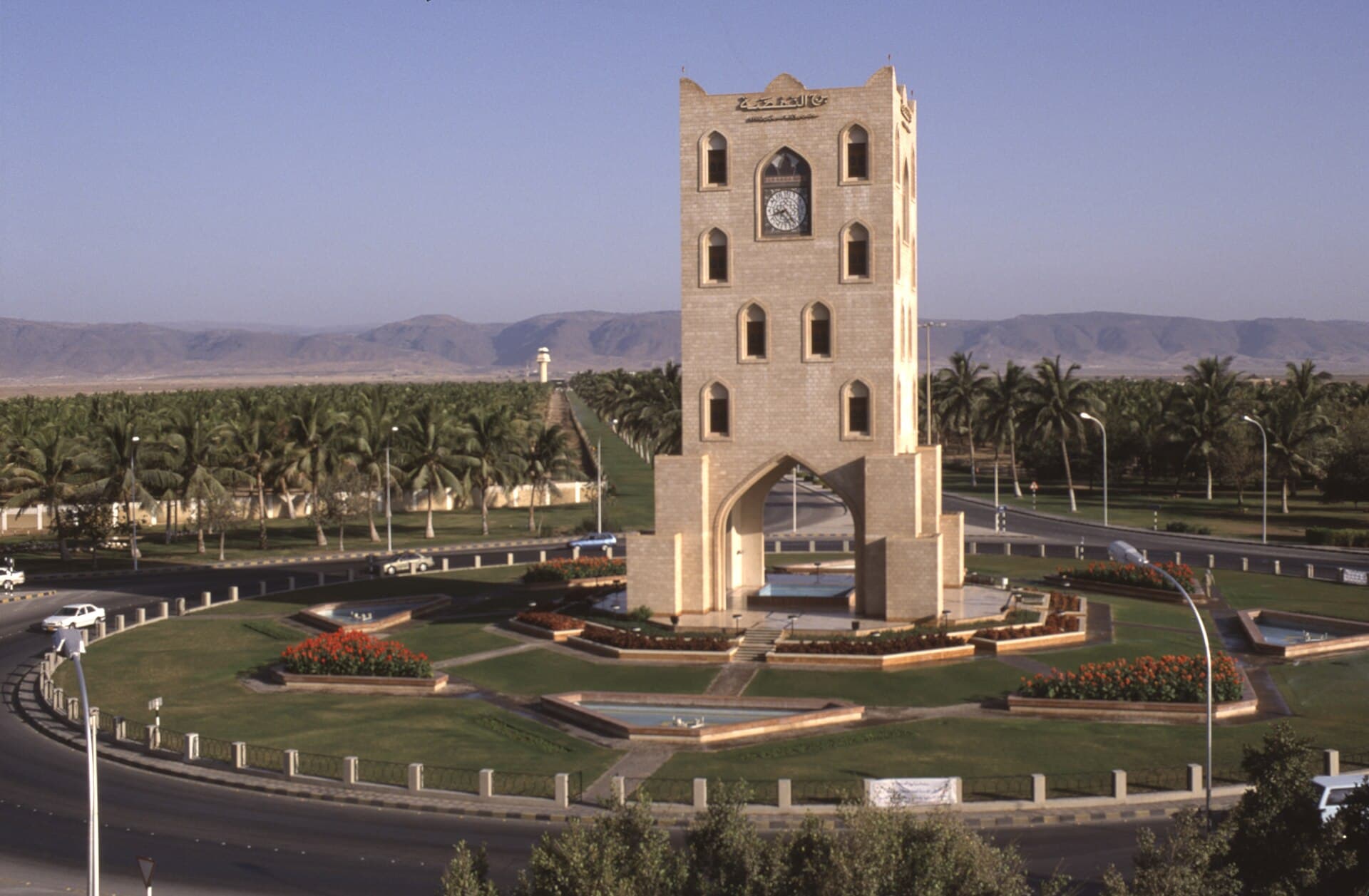 Bernhard Dunst / CC BY-SA 4.0, via Wikimedia Commons
“Where ancient frankincense routes meet monsoon-kissed mountains and turquoise seas.”
Not the postcards. The stories even locals don't know — whispered in your ear, right where they happened.
This UNESCO World Heritage site was once a thriving port city known as Zafar, but its decline wasn't just about shifting trade winds.
During the Khareef season, this valley transforms into a green oasis with flowing waterfalls, yet one particular natural phenomenon here defies expectations.
While known for frankincense, a singular local tradition reveals a deeper, more spiritual connection to this aromatic resin.
Discover every secret of Salalah
Every address, every reveal in full — in your ear, right where it happened.
You pick your stops. You walk. The voice reveals what the others miss.
No tours available yet. Check back soon — we're preparing them.
Salalah, the capital of Oman's southern Dhofar region, presents a striking contrast to the arid landscapes often associated with the Arabian Peninsula. This coastal city, bordered by the Arabian Sea and the Dhofar mountain range, offers a unique blend of natural beauty and cultural heritage. Salalah is particularly known for its annual Khareef (monsoon) season, from June to September, when cool winds from the Indian Ocean transform the dry hills into lush, misty green landscapes with flowing waterfalls.
Often called the "City of Eternal Spring," Salalah's distinctive climate allows for the cultivation of tropical fruits like coconuts and bananas, a sight rarely found elsewhere in the region. Beyond its verdant scenery, Salalah is a historic center of the frankincense trade, a commodity that shaped ancient economies and left behind a legacy of archaeological wonders. The city offers a peaceful and welcoming experience, making it a captivating destination for those seeking both natural beauty and a glimpse into Oman's storied past.
The history of Salalah is deeply intertwined with the ancient Dhofar region, with evidence of human settlement dating back over 5,000 years. The city and its surrounding areas were once at the heart of a flourishing frankincense trade, a commodity so valuable it rivaled gold, silk, and gems in ancient times. This aromatic resin, harvested from the Boswellia sacra tree, was highly prized for religious rituals, medicinal purposes, and as a symbol of wealth across ancient Egypt, Greece, Rome, and beyond.
Salalah, then known as Zafar or as a key part of the ancient port of Al Baleed, served as a vital hub on the Incense Road, a network of desert caravan and maritime routes that connected the Arabian Peninsula with the Mediterranean, India, and East Africa. Marco Polo described Salalah as a prosperous city in the 13th century, a testament to its economic importance. The wealth generated by this trade led to the development of cities, ports, and sophisticated irrigation systems.
While its prominence in the frankincense trade waned over centuries, Salalah was eventually absorbed into the Sultanate of Muscat and Oman in the 19th century. Between 1932 and 1970, Salalah held particular significance as the residence of Sultan Said bin Taimur. His son, Sultan Qaboos bin Said, who was born in Salalah in 1940, ascended to the throne in 1970, marking the beginning of the "Omani Renaissance." Sultan Qaboos later moved the capital to Muscat, though Salalah remained a cherished location.
In the aftermath of the Dhofar Rebellion, which concluded in 1975, the Omani government initiated significant development projects in the Salalah area, including infrastructure upgrades and the establishment of a free-trade zone in 2006. Salalah International Airport, originally a military airfield, opened as a civilian facility in 1977 and underwent significant modernization in 2015, enhancing its role as a key gateway to southern Oman.
Salalah offers a diverse range of sights, from ancient ruins to natural wonders. The Al Baleed Archaeological Park, a UNESCO World Heritage Site, showcases the ruins of the ancient port city of Zafar and houses the Museum of the Frankincense Land, providing insights into the region's history and the frankincense trade. Nearby, the Ancient City of Samhuram (Khor Rori) is another significant archaeological treasure, once a major frankincense trading port.
For natural beauty, Wadi Darbat is a destination, especially during the Khareef season, when seasonal waterfalls cascade into a lush, green valley. Visitors can enjoy boat rides on the lake and explore walking trails. The dramatic coastline at Mughsail Beach features white sands, clear waters, and impressive blowholes where seawater erupts during high tide. Further along the coast, Fazayah Beach offers a more secluded experience, accessible by 4x4. Explore the Al Haffa Souq for local handicrafts, silver jewelry, spices, and, of course, frankincense.
Salalah offers two distinct peak seasons. The most unique is the Khareef season, from June to September, when the Indian Ocean monsoon transforms the region into a lush, misty, and cool paradise, a stark contrast to the rest of the Arabian Peninsula. Temperatures during Khareef average 23-26°C with light rainfall and fog, making it ideal for nature lovers and those escaping the summer heat elsewhere. This is also when the Salalah Monsoon Festival takes place.
Alternatively, the dry season from October to May offers clear skies, warmer temperatures (25-35°C), and minimal humidity, perfect for beach activities, desert excursions, and exploring historical sites. Crowds are generally lower outside of the Khareef peak.
Salalah International Airport (SLL) is the primary gateway, offering flights to regional destinations and seasonal charters from Europe. Taxis and buses are available for getting around the city, and renting a 4x4 vehicle is recommended for exploring mountain roads and remote areas. The local currency is the Omani Rial (OMR), and while credit cards are widely accepted, carrying some cash is advisable for smaller shops and markets.
Oman is considered one of the safest countries in the Middle East, with low crime rates. However, it's always wise to be mindful of valuables in crowded areas. Dress modestly, especially when visiting religious sites, as a sign of respect for local culture. Standard voltage is 240V, and Type G plugs are used. While Arabic is the official language, English is commonly spoken in tourist areas and hotels.