Wabasha Street Caves
These sandstone caves once echoed with more than just natural sounds.
Full story unlocks in the tour
 McGhiever / CC BY-SA 3.0, via Wikimedia Commons
“Where enduring architecture meets a storied past.”
Not the postcards. The stories even locals don't know — whispered in your ear, right where they happened.
These sandstone caves once echoed with more than just natural sounds.
Its dome holds a surprising architectural distinction.
Beyond its opulent facade, this mansion held a discreet passage for a specific purpose.
Discover every secret of Saint Paul
Every address, every reveal in full — in your ear, right where it happened.
You pick your stops. You walk. The voice reveals what the others miss.
No tours available yet. Check back soon — we're preparing them.
Saint Paul, Minnesota, the capital city of the state, offers a blend of enduring character and modern energy. Set at the confluence of the Mississippi and Minnesota Rivers, its dramatic bluffs and palisades were sculpted during the last ice age. Once known as "Pig's Eye" after a one-eyed fur trader, Pierre Parrant, who established a tavern here, the settlement was later renamed Saint Paul in 1841 by Father Lucien Galtier, a Catholic missionary who built a log chapel dedicated to Paul the Apostle.
Today, Saint Paul is Minnesota's second-most populous city, a nexus of diverse cultures with over 95 languages and dialects spoken in its public schools. It is a city that embraces its heritage, from its well-preserved Victorian architecture to its lively food scene. Saint Paul is often considered the more serene and relaxed counterpart to its twin city, Minneapolis, yet it offers a wealth of literary landmarks, museums, and architectural marvels.
The story of Saint Paul stretches back approximately 2,000 years, with evidence of Hopewell Native Americans inhabiting the area and constructing burial mounds in what is now Indian Mounds Park. The strategic location at the northernmost navigable port of the Upper Mississippi River, near the confluence of the Mississippi and Minnesota Rivers, made it an important trading center. Following the 1803 Louisiana Purchase, U.S. Army Lieutenant Zebulon Pike negotiated a land deal with the Dakota in 1805 to establish a fort, which later became Fort Snelling.
European settlement began in 1838, with Pierre Parrant, a French fur trader, being one of the first to claim land and open a tavern. The settlement initially adopted the colorful name "Pig's Eye" in homage to Parrant. However, in 1841, Father Lucien Galtier, a Catholic missionary, built a log chapel and renamed the settlement Saint Paul, believing it would attract more businesses and foster community growth. In 1847, Harriet Bishop opened the city's first school, teaching children of diverse backgrounds.
Saint Paul was established as the capital of the Minnesota Territory in 1849. Its growth was significantly influenced by the steamboat industry, making it a gateway for settlers heading west. The city was incorporated in 1854, and when Minnesota gained statehood in 1858, Saint Paul remained the capital, a position nearly lost in 1857 when territorial legislator Joe Rolette famously stole the bill to move the capital to Saint Peter. The late 19th century saw Saint Paul rise as a railroad town, becoming the headquarters of industrialist James J. Hill's Great Northern Railway empire, which connected the city to the West Coast.
During the early 20th century, particularly the 1920s and 1930s, Saint Paul gained a reputation as a "crooks' haven." An unofficial agreement, known as the "Layover Agreement," between corrupt police officials and gangsters allowed criminals like John Dillinger, Ma Barker, and Al Capone to find sanctuary in the city, provided they checked in with police, shared a portion of their earnings, and refrained from committing major crimes within city limits. This era of intrigue and organized crime is a notable, if darker, chapter in Saint Paul's past.
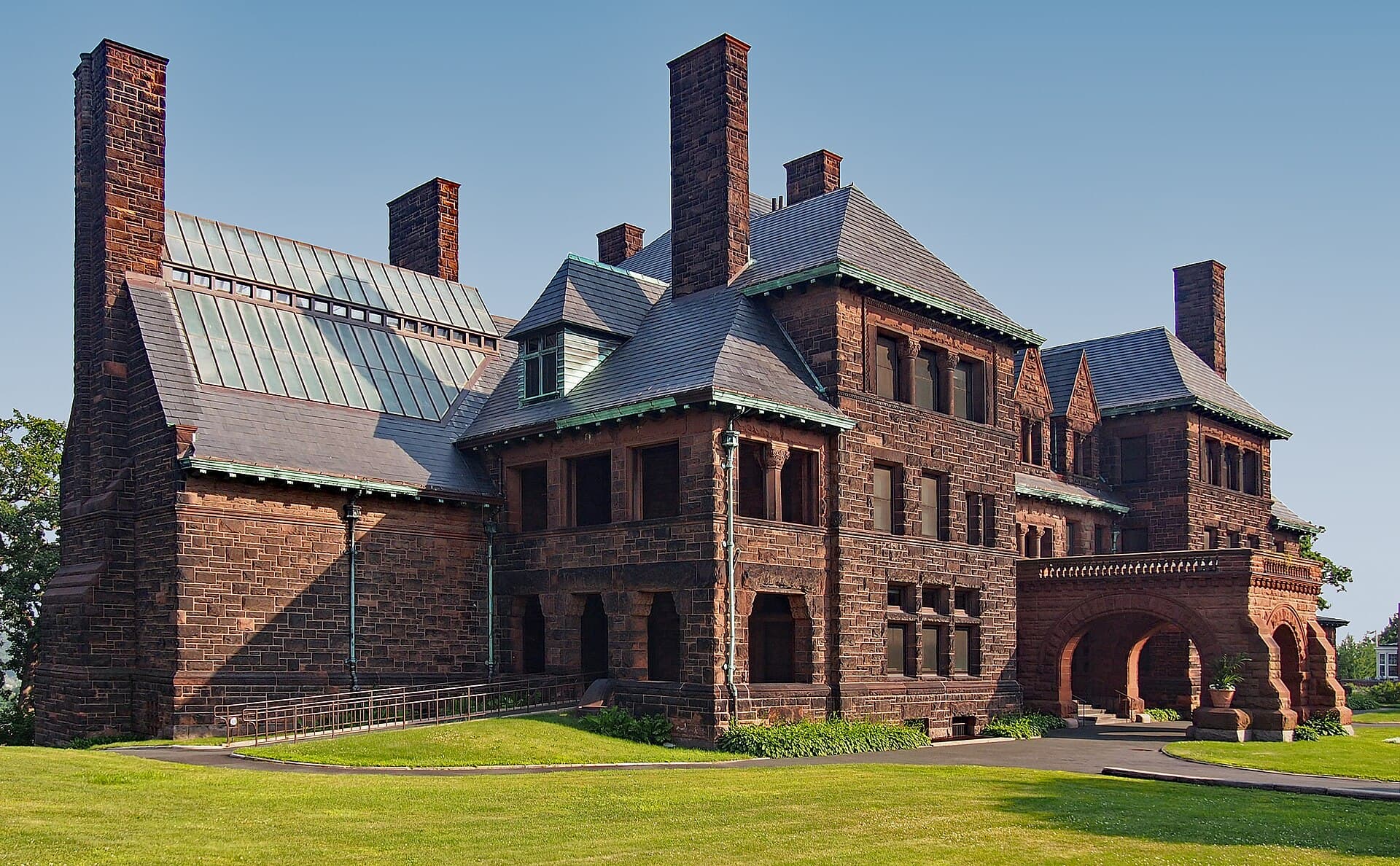
Begin your exploration at the Cathedral of Saint Paul, a grand Catholic cathedral with a distinctive copper-clad dome that crowns Cathedral Hill. Its Beaux-Arts architecture and intricate interior are impressive. Nearby, the James J. Hill House offers a glimpse into the opulent life of a 19th-century railroad magnate. This 36,000-square-foot mansion, with its 42 rooms and 13 bathrooms, showcases Gilded Age craftsmanship and even features a discreet silver vault.
For a deeper dive into the city's past, visit the Landmark Center, a historic building that once hosted gangster trials in the 1920s and 1930s. The Minnesota History Center provides hands-on exhibits exploring the state's heritage. Do not miss the Science Museum of Minnesota, known for its interactive displays, dinosaur fossils, and Omnitheater.
Nature lovers can enjoy Como Park Zoo and Conservatory, a century-old attraction featuring a diverse zoo and a Victorian-era glass conservatory with seasonal floral exhibits and Japanese gardens. For a unique experience, explore the Wabasha Street Caves, man-made sandstone caverns with a past as a speakeasy and rumored gangster sanctuary. Finally, walk along Summit Avenue, home to the longest stretch of preserved Victorian homes in the country, including the Governor's Residence and the birthplace of F. Scott Fitzgerald.
The ideal time to visit Saint Paul for warm-weather activities is from mid-June to early September. During these months, the city experiences warm temperatures, lower humidity, and minimal snow, making it perfect for exploring outdoor attractions and attending summer festivals. The Minnesota State Fair, a major event, typically takes place in late summer, offering unique food and entertainment. While winters are cold and snowy, the annual Winter Carnival in January and February attracts crowds with ice sculptures and winter-themed activities.
Saint Paul offers a variety of accommodations, from downtown hotels to charming bed and breakfasts in historic districts. The city is generally walkable, especially in downtown areas, and has a skyway system, though Minneapolis offers a longer one. Public transportation options are available, including a metro system to navigate the city and connect to Minneapolis. For those driving, parking garages are available in downtown areas. Consider purchasing a Saint Paul CityPASS if you plan to visit multiple attractions, as it can offer savings. Many museums and attractions offer guided tours, some of which are free, such as those at the Minnesota State Capitol. Saint Paul is known for its diverse culinary scene, offering everything from local specialties and farm-to-table options to inventive comfort food. Do not forget to explore the city's craft brewing scene, which has a history dating back to 1848.