Shaniwar Wada
This grand fortification, once the seat of the Peshwas, holds a chilling secret from its past.
Full story unlocks in the tour
 Ujjawal.Gayakwad / CC BY-SA 4.0, via Wikimedia Commons
“Where ancient Maratha echoes meet modern innovation.”
Not the postcards. The stories even locals don't know — whispered in your ear, right where they happened.
This grand fortification, once the seat of the Peshwas, holds a chilling secret from its past.
Beyond its serene architecture and historical significance, this palace has a profound connection to India's fight for freedom.
This ancient rock-cut temple, carved from a single rock, is more than just a place of worship.
Discover every secret of Pune
Every address, every reveal in full — in your ear, right where it happened.
You pick your stops. You walk. The voice reveals what the others miss.
No tours available yet. Check back soon — we're preparing them.
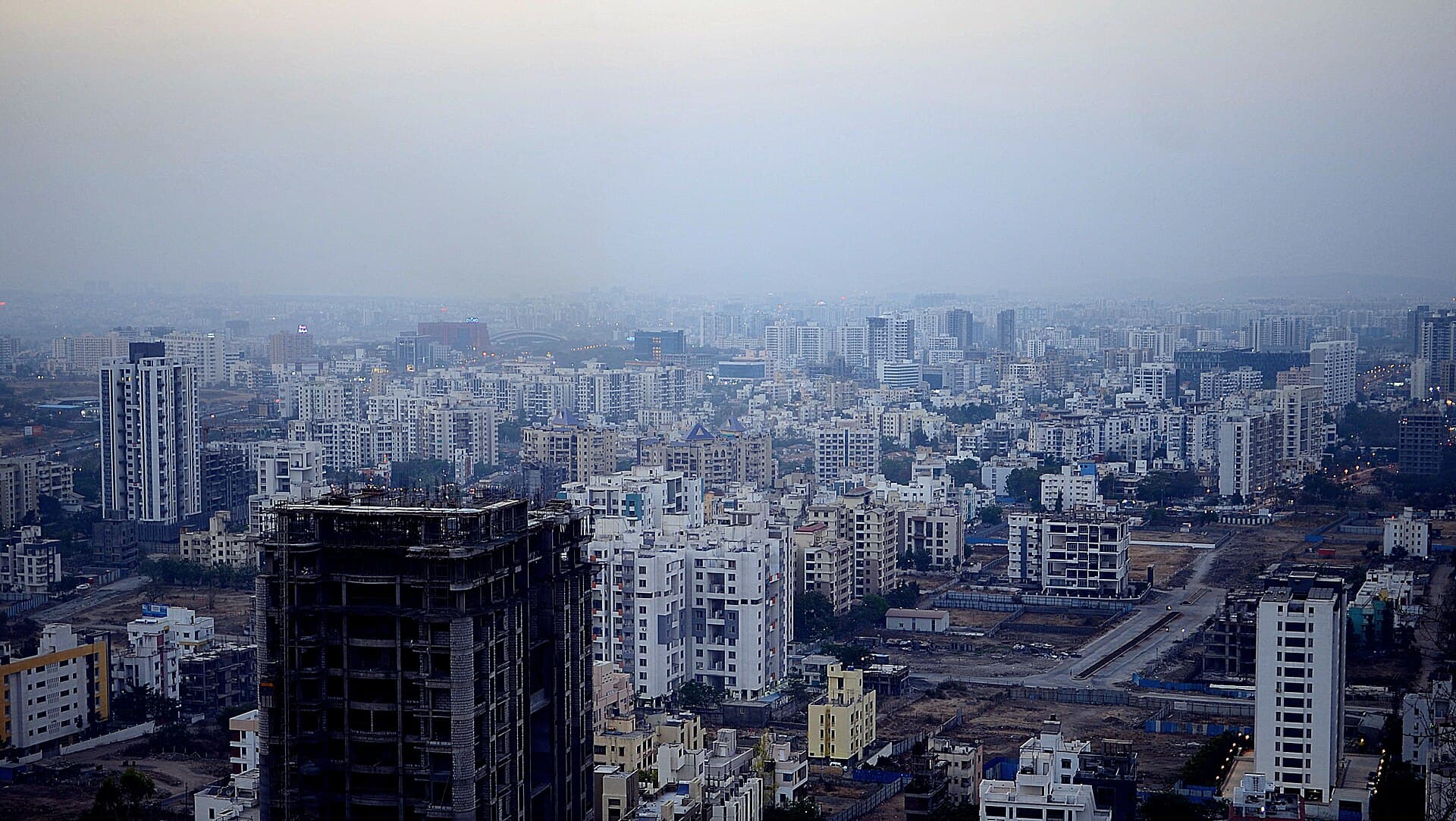
Pune, often called the 'Queen of the Deccan' and the 'Oxford of the East,' is a bustling city in the west-central Indian state of Maharashtra. Situated at the confluence of the Mula and Mutha rivers, Pune seamlessly blends its enduring historical past with a burgeoning modern identity. It's a city where ancient forts and palaces stand alongside thriving IT and manufacturing hubs, offering a diverse experience for every traveler.
Beyond its historical landmarks, Pune is a significant cultural and educational center, known for its numerous institutions and a lively atmosphere fueled by a large student population. The city is also gaining recognition as a hub for automobile and manufacturing industries. Whether you're drawn to its historical narratives, its calm green spaces, or its contemporary pulse, Pune offers a captivating journey through various facets of Indian life.
The history of Pune stretches back to the 6th century CE, with early references found in Rashtrakuta Dynasty copper plates from 758 and 768 CE, where it was referred to as 'Punya-vishaya' or 'Punaka-vishaya,' meaning 'holy land.' By the 13th century, it was known as Punawadi, and during the reign of Maratha king Shahaji, father of Shivaji, it was called Kasbe Pune. The city's name was anglicized to Poona during British rule in 1857 and officially reverted to Pune in 1978.
Pune first came under Maratha control in the early 1600s. Its true prominence began in the 18th century when it became the seat of the Peshwas, the prime ministers of the Maratha Empire. Peshwa Bajirao I laid the foundation of Shaniwar Wada in 1730, and the fortification was completed in 1732, becoming the capital building of the Peshwas. Under Nanasaheb Peshwa, the city prospered with the development of Saras Baug, Heera Baug, Parvati Hill, and new commercial and residential areas.
The Peshwa's influence waned after the Battle of Panipat, and Pune was eventually seized by the British East India Company in 1818 after the Third Anglo-Maratha War. It gained municipal status in 1858, the year Crown rule began, and became the 'Monsoon capital' of the Governor of Bombay due to its milder weather. This era saw the development of new localities like Navi Peth and Ganj Peth (now Mahatma Phule Peth).
Pune played a significant role in India's independence movement. The Aga Khan Palace, built in 1892, gained immense prominence during the Quit India Movement of 1942, serving as a prison for Mahatma Gandhi, Kasturba Gandhi, Mahadev Desai, and Sarojini Naidu. Today, Pune is recognized as a major educational and cultural center, often referred to as the 'Oxford of the East' due to its numerous educational institutions.
Pune offers a diverse range of attractions, from historical fortifications to serene gardens. A primary destination is Shaniwar Wada, an 18th-century fort and palace that was once the seat of the Peshwas of the Maratha Empire. Though largely destroyed by fire in 1828, its surviving structures and grand gates offer a glimpse into its regal past. The Aga Khan Palace, built in 1892, is another significant historical landmark, known for its Italian architecture and its association with Mahatma Gandhi's imprisonment during the Quit India Movement. It now houses a museum dedicated to Gandhi's life.
For a dose of culture, the Raja Dinkar Kelkar Museum showcases an expansive collection of artifacts depicting everyday Indian life. For sweeping city views and a spiritual experience, ascend Parvati Hill, home to ancient temples and a museum displaying Peshwa artifacts. Nature lovers can find tranquility at the Pune-Okayama Friendship Garden (Pu La Deshpande Garden), a Japanese-inspired landscape, or the Empress Garden. Other notable sites include the Pataleshwar Cave Temple, an 8th-century rock-cut temple dedicated to Lord Shiva, and the lively Dagdusheth Halwai Ganpati Temple. For those seeking a unique experience, the Osho Ashram in Koregaon Park offers meditation programs and Zen-inspired gardens.
The best time to visit Pune is during the winter months, from October to February. During this period, the weather is cool and pleasant, with daytime temperatures around 26°C and nights that can drop to 9°C or even 5-6°C in December and January. This comfortable climate is ideal for exploring the city's historical sites and outdoor attractions.
The monsoon season, from July to September, brings moderate rainfall and cooler temperatures (22-28°C), making the surrounding landscapes lush and beautiful, though unpredictable showers might occur. Summers, from March to June, can be hot and humid, with temperatures reaching up to 42°C, making it a less ideal time for sightseeing, though evenings can be cooler.
Getting around Pune is facilitated by various modes of transport. The Pune Mahanagar Parivahan Mahamandal Limited (PMPML) operates an extensive network of local buses, with both diesel and electric (some air-conditioned) options available. Auto-rickshaws are a popular choice for shorter distances, though it's advisable to negotiate the fare beforehand. Ride-sharing apps like Ola and Uber also operate in the city. While a metro system is under construction, a portion of it is operational, connecting the city center with student areas.
Pune Junction railway station, located in the city center, offers excellent rail connectivity to other major Indian cities. For those arriving by air, Pune Airport handles domestic flights.
Safety in Pune is generally good, with low violent crime rates. However, it's wise to be mindful of your belongings in crowded public areas to prevent petty theft. Be cautious of individuals approaching you with elaborate stories of needing money, as these are often scams. A polite but firm refusal is usually sufficient.