Puerto López Fish Market
Every morning, the beach near the pier transforms into a chaotic ballet of commerce.
Full story unlocks in the tour
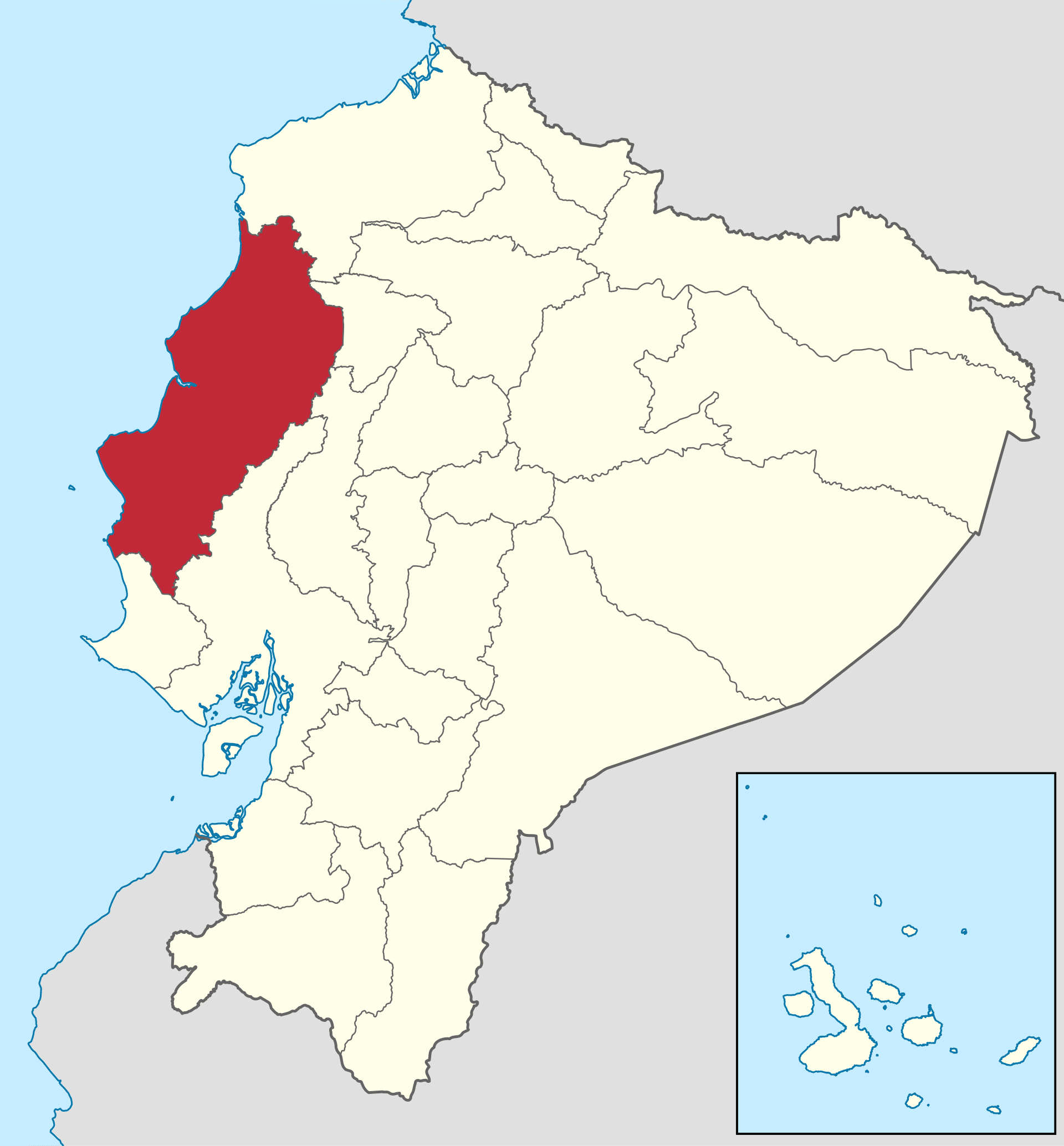 Milenioscuro / CC BY-SA 3.0, via Wikimedia Commons
“Where the Pacific breathes ancient tales and humpback whales dance.”
Not the postcards. The stories even locals don't know — whispered in your ear, right where they happened.
Every morning, the beach near the pier transforms into a chaotic ballet of commerce.
This island is often called the 'Poor Man's Galápagos,' but its name hints at a different, more swashbuckling past.
Beyond its archaeological significance, this indigenous village offers a unique, therapeutic dip.
Discover every secret of Puerto López
Every address, every reveal in full — in your ear, right where it happened.
You pick your stops. You walk. The voice reveals what the others miss.
No tours available yet. Check back soon — we're preparing them.
Puerto López, a tranquil fishing village on Ecuador's central Pacific coast in the Manabí Province, offers a blend of authentic coastal life and natural wonders. With a population of around 12,598, it serves as the headquarters for Machalilla National Park, making it a prime gateway to diverse ecosystems and archaeological sites.
The town itself is centered around its beach, a bustling harbor, and streets lined with restaurants, tour agencies, and guesthouses. While the initial stretch of the town near the pier can have a strong fishing scent, the overall atmosphere is generally calm and quiet, providing a relaxed escape from more bustling cities.
Puerto López is particularly renowned for its ecotourism, especially its whale-watching opportunities and its proximity to Isla de la Plata, often referred to as the "Poor Man's Galápagos." It's a place where the rhythms of the sea dictate daily life, from the returning fishing boats to the seasonal migration of humpback whales.
The area around Puerto López reveals a deep history, with evidence of human habitation dating back as far as 5,000 BCE. The region was originally home to the Manteño-Huancavilca people, who were skilled seafarers and traders. Their cultural legacy is preserved in archaeological sites and museums like the Salango Museum, which showcases artifacts from the ancient Valdivia culture.
With the arrival of Spanish conquistadors in 1532, indigenous life was disrupted, and the area became a modest colonial outpost. However, Puerto López remained a quiet coastal enclave for centuries. The town itself was founded in the early 1900s as a humble fishing village. Its name honors Daniel López, a philanthropist from Jipijapa, whose support for the canton's development led the Municipality of Jipijapa to name the bay after him.
The modern identity of Puerto López has been significantly shaped by its fishing traditions and the growth of ecotourism. A pivotal moment in its recent history was the establishment of Machalilla National Park in 1979. This protected area safeguards the region's biodiversity and archaeological sites, laying the groundwork for sustainable tourism.
From the 1990s to the present, Puerto López has evolved into a prominent hub for whale watching and ecological research, drawing visitors eager to witness the annual migration of humpback whales and explore the natural wonders of Isla de la Plata. This blend of historical depth and a commitment to preserving its natural environment defines Puerto López today.
Puerto López offers a variety of experiences, primarily centered around its natural environment and local culture. A top attraction is a boat trip to Isla de la Plata, often called the "Poor Man's Galápagos." Here, you can observe blue-footed boobies, frigatebirds, and other marine life, with opportunities for snorkeling in the surrounding coral reefs.
Within Machalilla National Park, a notable place is Los Frailes Beach, celebrated for its pristine white sands and clear turquoise waters. You can reach it via a short bus ride from Puerto López, followed by a walk or a taxi to the beach itself. Another significant site within the park is the indigenous village of Agua Blanca, which features an archaeological museum and a sulfur lagoon where visitors can swim.
Back in town, experience local life with a morning walk along the Puerto López beach as fishermen bring in their daily catch. The Malecón (boardwalk) is a central area with restaurants and tour operators. For those interested in local history, the Salango Museum, located near Machalilla National Park, displays artifacts from the ancient Valdivia culture. Diving and snorkeling are also popular activities around Isla Salango, where you might spot fur seals.
Puerto López experiences a tropical climate with warm to hot temperatures year-round. The best time to visit depends on your interests. For whale watching, the prime season is from June to October, when humpback whales migrate to the warm waters off the coast to mate and give birth. During these months, the weather is generally drier, with comfortable temperatures, though days can be overcast.
If you prefer classic beach weather with more sunshine and warmer waters, the wet season from December to May is ideal, despite occasional afternoon rain showers. This period also offers better visibility for diving. January and February are popular for domestic tourism, with lively atmospheres and warmer water temperatures.
To reach Puerto López, you can fly into Manta or Guayaquil, then take a bus or private transport. From Quito, direct buses are available, though they can be lengthy; flying to Manta first is a quicker option. Once in Puerto López, the town is compact enough to navigate on foot. Tuk-tuks (mototaxis) are readily available for short distances within town, typically costing around $1.
While generally considered safe, especially in populated areas, it's wise to be aware of your surroundings and avoid openly displaying valuables. Petty theft and price gouging can occur. Cash is often preferred in many establishments. There are various accommodation options to suit different budgets, including hotels and guesthouses near the beach. Seafood is a local specialty, with many restaurants offering fresh catches.