Rani ki Vav (Queen's Stepwell)
Picture a queen, so profoundly devoted to her lost king, she commissioned an architectural wonder, not merely for water, but as an enduring testament to their affection.
Full story unlocks in the tour
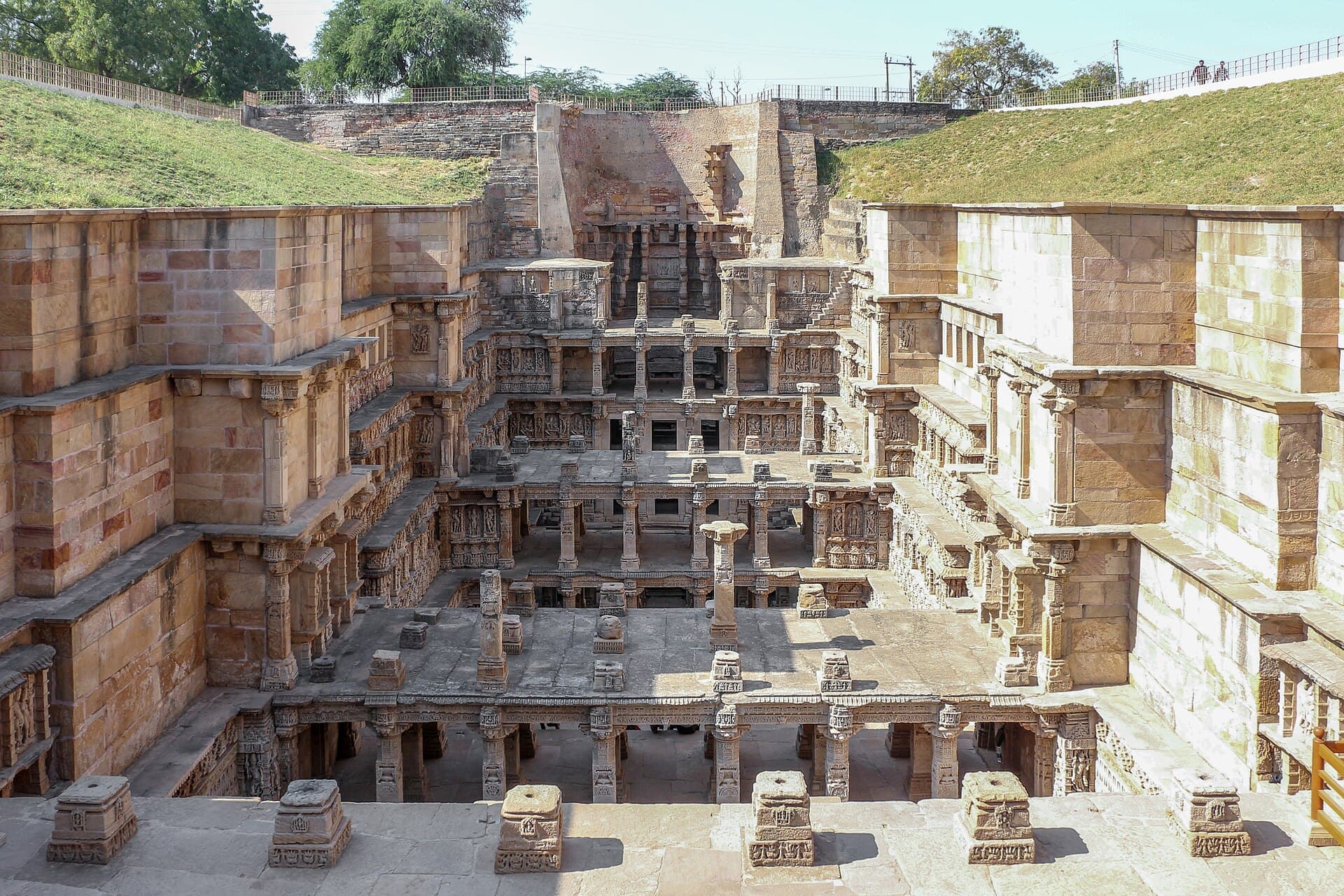 Bernard Gagnon / CC BY-SA 3.0, via Wikimedia Commons
“Where ancient stones recount the sagas of queens and forgotten empires.”
Not the postcards. The stories even locals don't know — whispered in your ear, right where they happened.
Picture a queen, so profoundly devoted to her lost king, she commissioned an architectural wonder, not merely for water, but as an enduring testament to their affection.
Consider a sanctuary where the first rays of dawn once illuminated a deity, a celestial alignment carved in stone.
Imagine a fabric so precious, its creation demands months of meticulous labor, each thread a testament to ancient weaving traditions.
Discover every secret of Patan
Every address, every reveal in full — in your ear, right where it happened.
You pick your stops. You walk. The voice reveals what the others miss.
No tours available yet. Check back soon — we're preparing them.
Patan, a city in Gujarat, India, offers a profound journey into the past, where each stone structure and woven thread tells a story of enduring craftsmanship and royal patronage. Once the capital of the Solanki dynasty from the 10th to the 13th centuries, the city's landscape is marked by the architectural ambitions of its rulers. Visitors encounter a tangible connection to a bygone era, where intricate carvings and grand constructions speak volumes of artistic prowess and spiritual devotion.
The city's essence is captured in its remarkable stepwells, temples, and the living tradition of its textile arts. These elements collectively form a compelling narrative of a regional power that shaped art, architecture, and culture. Patan invites exploration, promising insights into the ingenuity and aesthetic sensibilities that flourished under its ancient kingdoms, leaving a lasting impression on those who wander its historical grounds.
Patan's prominence began with the establishment of the Solanki dynasty in the 10th century, becoming their capital. Under kings like Bhimdev I, the city evolved into a significant center for art, architecture, and learning. This period saw the construction of some of India's most architecturally significant structures, including the Rani ki Vav and the Modhera Sun Temple. These monuments not only served their functional or religious purposes but also stood as symbols of the dynasty's power, wealth, and sophisticated artistic patronage. The Solanki era was a golden age for Patan, fostering innovations in stone carving and water management systems that remain impressive today.
Following the decline of the Solanki dynasty, Patan experienced various shifts in power. It fell under the Delhi Sultanate in the late 13th century, leading to the establishment of the Gujarat Sultanate, which eventually moved its capital to Ahmedabad. Despite losing its status as a political capital, Patan maintained its cultural and economic importance. The city continued to be a hub for traditional crafts, particularly its renowned Patola weaving, which flourished under different rulers who recognized and supported its unique artistry. This resilience in preserving its cultural heritage, even amidst political changes, underscores Patan's deep-rooted traditions.
In contemporary times, Patan is recognized for its historical significance and its ongoing efforts to preserve its architectural and craft legacies. The Rani ki Vav, after centuries of being buried, was rediscovered and meticulously restored, earning its designation as a UNESCO World Heritage Site. This recognition has brought renewed attention to Patan's ancient splendors. The city's artisans continue to practice traditional crafts, ensuring that the skills and stories of generations past endure. Patan today offers a compelling blend of ancient grandeur and living traditions, inviting visitors to appreciate its profound historical journey and the continuous thread of its cultural identity.
The Rani ki Vav, a UNESCO World Heritage Site, serves as a primary draw. This elaborate stepwell, dedicated to a king by his queen, showcases seven levels of intricate sculptures depicting deities and celestial beings. A short journey away, the Modhera Sun Temple, though partially in ruins, reveals a grand assembly hall and a stepwell (Surya Kund) adorned with numerous small shrines. Its architecture aligns with the sun's path, creating a dramatic visual during the equinoxes. Within Patan, the Patola House offers a glimpse into the painstaking process of creating Patola sarees, where master weavers demonstrate the ancient double ikat technique. For those interested in local history, the Sahastralinga Talav, an ancient artificial water reservoir, provides a tranquil setting and remnants of historical structures.
The ideal time to visit Patan is during the cooler, drier months, from October to March. Temperatures are pleasant, making exploration of the outdoor historical sites comfortable. The summer months, from April to June, bring intense heat, while the monsoon season, from July to September, can make travel challenging due to heavy rains.
Patan is accessible by road from major cities in Gujarat, including Ahmedabad and Gandhinagar. The nearest airport is in Ahmedabad (Sardar Vallabhbhai Patel International Airport), about 125 kilometers away. Accommodation options in Patan are modest, with guesthouses and smaller hotels available. For a wider range of choices, consider staying in Ahmedabad and making a day trip. Local transport includes auto-rickshaws. It is advisable to carry water, especially during warmer months, and wear comfortable walking shoes for exploring the sites. Respect local customs and dress modestly when visiting religious sites.