Palanga Amber Museum
Among thousands of amber pieces, one substantial specimen carries a clandestine history of daring escapes.
Full story unlocks in the tour
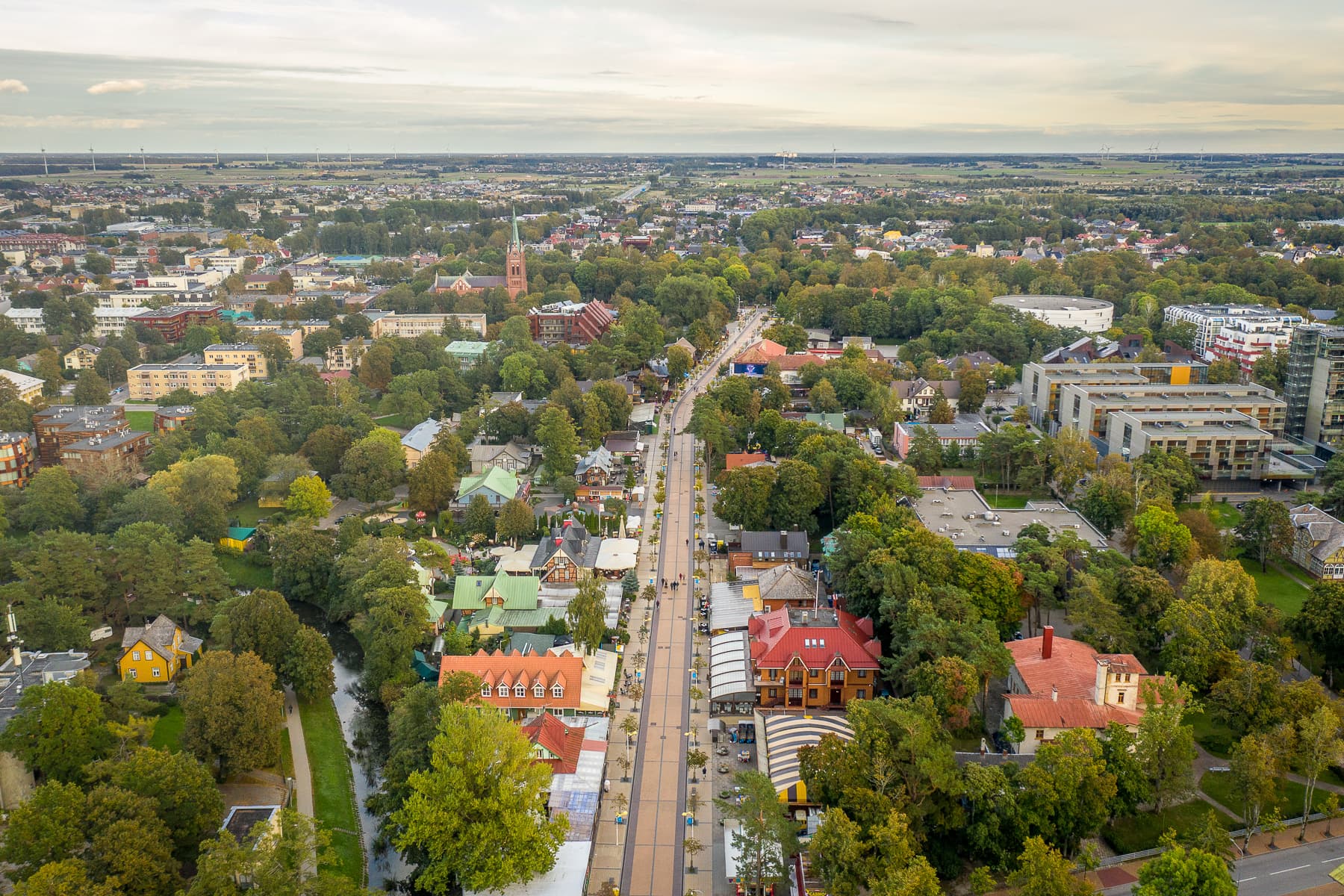 Augustas Didžgalvis / CC BY-SA 4.0, via Wikimedia Commons
“Where the Baltic Sea murmurs of amber and ancient affection.”
Not the postcards. The stories even locals don't know — whispered in your ear, right where they happened.
Among thousands of amber pieces, one substantial specimen carries a clandestine history of daring escapes.
The sculpture of the sea goddess Jūratė and the fisherman Kastytis, a symbol of Palanga, possesses a surprisingly human origin.
This cherished pedestrian promenade, extending into the Baltic, once served a purpose beyond leisurely ambles and sunset views.
Discover every secret of Palanga
Every address, every reveal in full — in your ear, right where it happened.
You pick your stops. You walk. The voice reveals what the others miss.
No tours available yet. Check back soon — we're preparing them.
Palanga, Lithuania's foremost seaside destination, presents a compelling fusion of natural splendor, cultural legacy, and lively recreation along the Baltic Sea. Its pristine white sand beaches, framed by fragrant pine woods and undulating dunes, transform with the changing seasons. While it maintains a comfortable ambiance with a permanent population of approximately 18,000, it evolves into a bustling center of activity during the warmer months, drawing hundreds of thousands of visitors each year.
Beyond its animated main thoroughfare and sandy shores, Palanga is a city deeply connected to the natural world and its past. It is often described as a 'garden city,' where carefully designed green spaces intertwine with historical villas. The town offers a distinctive escape, providing opportunities for repose, cultural exploration, and active pursuits, from exploring museums to cycling along picturesque coastal pathways.
## From Ancient Settlements to Aristocratic Retreat Palanga's narrative reaches back millennia, with archaeological discoveries indicating human presence as early as the Neolithic era. Between the 10th and 13th centuries, it stood as a significant settlement of the Curonians, a Baltic tribe, and a pivotal point on the ancient Amber Road, facilitating commerce and craftsmanship.
The town's name first appeared in historical documents in 1161, when King Valdemar I of Denmark landed with his army. Throughout the 13th to 15th centuries, Palanga's inhabitants defended their coast against the Teutonic Knights and the Livonian Brothers of the Sword. In 1422, under the Treaty of Melno, Palanga officially became part of the Grand Duchy of Lithuania, securing its access to the sea.
The 17th century saw the establishment of amber workshops, and by 1685, British merchants had set up enterprises in the nearby Šventoji harbor. However, the Great Northern War brought devastation in 1701, when the Swedish Army ravaged Palanga and blocked the Šventoji harbor. After the Third Partition of Poland and Lithuania in 1795, Palanga became part of the Russian Empire.
A new era commenced in 1824 when Count Michał Tyszkiewicz acquired the manor of Palanga. His family played a crucial role in transforming Palanga into a celebrated resort. His grandson, Józef Tyszkiewicz, constructed a pier in the 1880s, initially for exporting bricks, which swiftly became a favored promenade. Feliks Tyszkiewicz, Józef's son, commissioned the grand Neo-Renaissance Tiškevičiai Palace in 1897, conceived by German architect Franz Schwechten. Surrounding the palace, French landscape architect Édouard André created the expansive Palanga Botanical Garden between 1897 and 1907, transforming marshy ground and sand dunes into a scenic park.
Palanga officially gained city rights and resort status in 1933. After World War II, the Tiškevičiai Palace became the Palanga Amber Museum in 1963, exhibiting the region's 'Baltic gold.' Today, Palanga continues its legacy as a cherished coastal destination, intertwining its profound past with contemporary amenities.
A visit to Palanga feels incomplete without a walk along the Palanga Pier, an L-shaped wooden structure stretching 470 meters into the Baltic Sea. It is known for its wide views and striking sunsets. At the entrance to the pier, you will find the sculpture of Jūratė and Kastytis, illustrating a legendary Lithuanian love story.
For a deeper exploration of the region's cultural legacy, the Palanga Amber Museum, situated in the elegant Tiškevičiai Palace, is a significant stop. It displays an extensive collection of amber, including pieces with ancient inclusions. The palace is enveloped by the sprawling Palanga Botanical Garden, a thoughtfully designed landscape park ideal for unhurried walks among diverse plant life.
Birutė Hill, within the botanical garden, provides expansive views of the Baltic Sea and is imbued with local stories. Other points of interest include the Anaičiai Ethnographic Cemetery with its 19th and early 20th-century graves, and the Sculpture Garden showcasing contemporary statues. Palanga also contains one of Lithuania's oldest operating pharmacies.
The ideal time to experience Palanga largely depends on individual preferences. The peak summer season, from June to August, offers the warmest temperatures, extended daylight hours, and a lively atmosphere, perfect for active beaches and fully operational attractions. July and August are particularly favored for swimming, with comfortable water temperatures.
For a more tranquil experience with pleasant weather and fewer crowds, consider visiting during the transitional seasons of May-June or September. Winter reveals a different aspect of Palanga, with serene snowy landscapes and fewer visitors, ideal for quiet walks and dramatic sea vistas.
Moving through Palanga is straightforward, whether you prefer walking, cycling, or utilizing public transport. The town is easy to navigate on foot, with many points of interest within walking distance. Bicycles can be rented to explore scenic coastal paths connecting Palanga and Šventoji. The local bus network links Palanga with nearby towns, and taxis and ride-sharing services like Bolt are readily available. If you intend to explore the broader region, car rentals are an option.
Lithuanians are generally welcoming, and a simple 'labas' (hello) is well-received. Tipping is appreciated but not mandatory; a 5-10% tip is customary if a service charge is not included. When visiting religious sites like the Church of the Assumption, dress respectfully, covering shoulders and knees. For dining, be sure to sample local delicacies such as cepelinai (potato dumplings), šaltibarščiai (cold beet soup), and fresh Baltic seafood.