Pambok Waterfall
There's a way to find a truly secluded waterfall, even when the main cascade draws a crowd.
Full story unlocks in the tour
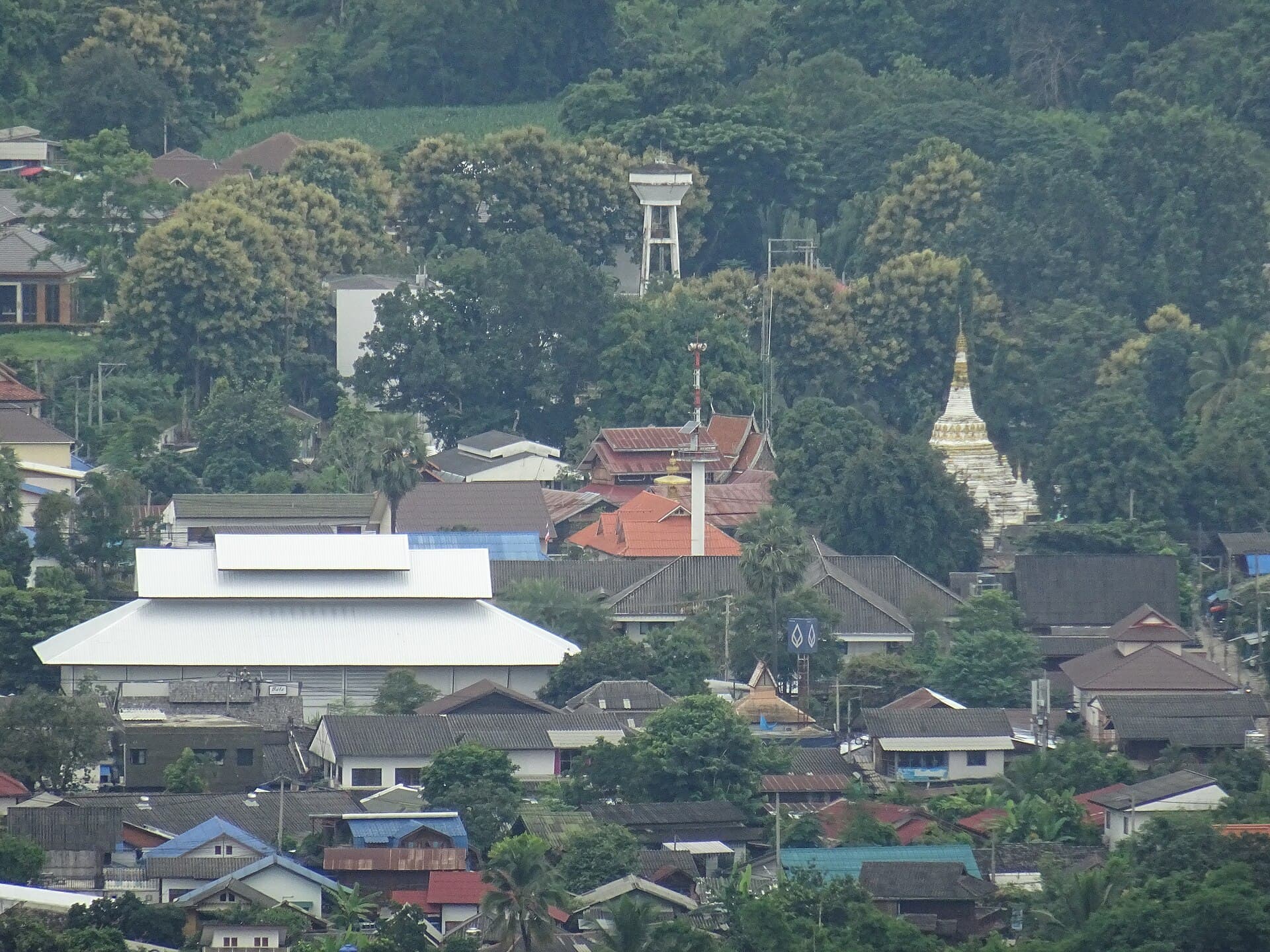 Christophe95 / CC BY-SA 4.0, via Wikimedia Commons
“Where the mountains embrace the free spirit.”
Not the postcards. The stories even locals don't know — whispered in your ear, right where they happened.
There's a way to find a truly secluded waterfall, even when the main cascade draws a crowd.
A farmer’s misfortune transformed into an unexpected opportunity, offering visitors a singular perspective on nature’s power.
Beyond the main thermal pools, a natural beauty secret awaits discovery.
Discover every secret of Pai
Every address, every reveal in full — in your ear, right where it happened.
You pick your stops. You walk. The voice reveals what the others miss.
No tours available yet. Check back soon — we're preparing them.
Pai, a small town in northern Thailand's Mae Hong Son Province, offers a serene escape from the country's more bustling destinations. It rests in a verdant valley along the Pai River, surrounded by mountains, rice fields, and tropical forests. Once a quiet market village, Pai has blossomed into a cherished spot for travelers seeking a relaxed atmosphere and a deep connection with nature.
The journey to Pai unfolds as an experience in itself, famously involving 762 winding curves along Route 1095 from Chiang Mai. While the town center invites leisurely strolls, a scooter often becomes essential for exploring the many natural attractions scattered across the countryside. Pai encourages a slower pace, inviting visitors to reconnect with the natural world and embrace its open-hearted community.
Beyond its reputation as a backpacker haven, Pai welcomes a diverse range of travelers, including families and digital nomads, with its blend of traditional Thai culture and global influences. The town offers a variety of accommodations, from simple bamboo huts to intimate luxury resorts, and a lively night market that awakens with street food, live music, and local crafts.
The area of modern-day Pai has been inhabited for over 5,000 years, with the Lawa tribe being the dominant ethnic group in northern Thailand approximately 2,000 years ago. Their descendants still reside in villages about 20 kilometers from Pai. The recorded story of the area began around 800 years ago, with the establishment of a settlement known today as Ban Wiang Nuea, located about 3 kilometers north of present-day Pai. This settlement was founded in 1251 CE by Shan immigrants from the region of modern-day northern Myanmar. The Shan, also known as Tai Yai, still maintain a significant ethnic presence in Mae Hong Son province.
Pai's strategic location on the route between Chiang Mai and Burma (Myanmar) played an important role in the unfolding events of Northern Thailand. The Lanna Kingdom, under King Tilokaraj, ordered the establishment of a fortified settlement in the Pai valley in 1477, originally named "Veang Pai," to protect its northwestern borders. This decision solidified the region's destiny as a crucial outpost.
During World War II, the Japanese army improved the roads and constructed a bridge across the Pai River to facilitate troop and supply transport into Burma. This bridge, now known as the WWII Memorial Bridge, stands as a historical marker. Following the war, local residents rebuilt the burnt bridge. In the early 1960s, a community of Kuomintang soldiers, fleeing China after the Chinese Civil War, also established themselves in Pai.
The town's remoteness meant its inhabitants were largely cut off from external news and politics for centuries. However, the development of the road from Chiang Mai, particularly its paving in 1980, gradually opened Pai to the outside world. In recent decades, Pai has transformed from a quiet market village into a popular tourist destination, particularly for backpackers, while still retaining much of its rustic appeal.
Pai offers a variety of natural and cultural attractions. Pai Canyon, particularly at sunset, draws many visitors, so consider arriving before 4:30 PM for a good viewing spot and wear appropriate shoes for the narrow, sometimes slippery paths. For a tranquil sunrise, head to Yun Lai Viewpoint, which offers expansive vistas over the region. The White Buddha (Wat Phra That Mae Yen) provides another excellent spot for sunset or a peaceful, misty sunrise meditation after ascending 353 steps.
Explore Pai's waterfalls, such as Mo Paeng Waterfall, known for its natural water slide and pools, or Pam Bok Waterfall, a quieter option embraced by high cliffs. Mae Yen Waterfall offers a more challenging 2.5-3 hour jungle hike, crossing a river multiple times. For a singular cave experience, visit Tham Lod Cave, where you can explore its impressive chambers by bamboo raft with a guide. Do not overlook the Pai Walking Street, which transforms into a lively night market after dark, offering street food, local handicrafts, and live music.
The optimal time to visit Pai is during the cool, dry season, from November to February. Temperatures are comfortable, ranging from daytime highs of 24-26°C to cooler nights around 9-15°C, making it ideal for outdoor activities. Rainfall is minimal, and the rice fields appear verdant. This is also peak tourist season, so booking accommodations and transport in advance is advisable. March to May brings hot and hazy conditions due to agricultural burning, resulting in diminished air quality. The wet season, from June to October, sees frequent rain, but also fewer crowds and lush green landscapes.
Journeying to Pai typically involves travel from Chiang Mai, the main northern hub. The most common options are minivans or public buses, which take 3-5 hours along the famously winding Route 1095, known for its 762 curves. If you are prone to motion sickness, consider taking a pill before the journey. Experienced motorbike riders can also rent a scooter in Chiang Mai and ride to Pai, but this route is not recommended for beginners.
Once in Pai, renting a scooter is the most convenient way to explore the surrounding attractions, as many are outside the town center. Scooter rentals are widely available and affordable. Always carry enough cash, as many smaller establishments and market stalls are cash-only. Dress modestly when visiting temples, covering knees and shoulders, and remember to remove shoes before entering. Booking minivan tickets 2-3 days in advance is recommended, especially during high season, as they can sell out quickly.