Otaru Canal
The Otaru Canal, a picturesque symbol of the city, was not always destined for its current charming existence.
Full story unlocks in the tour
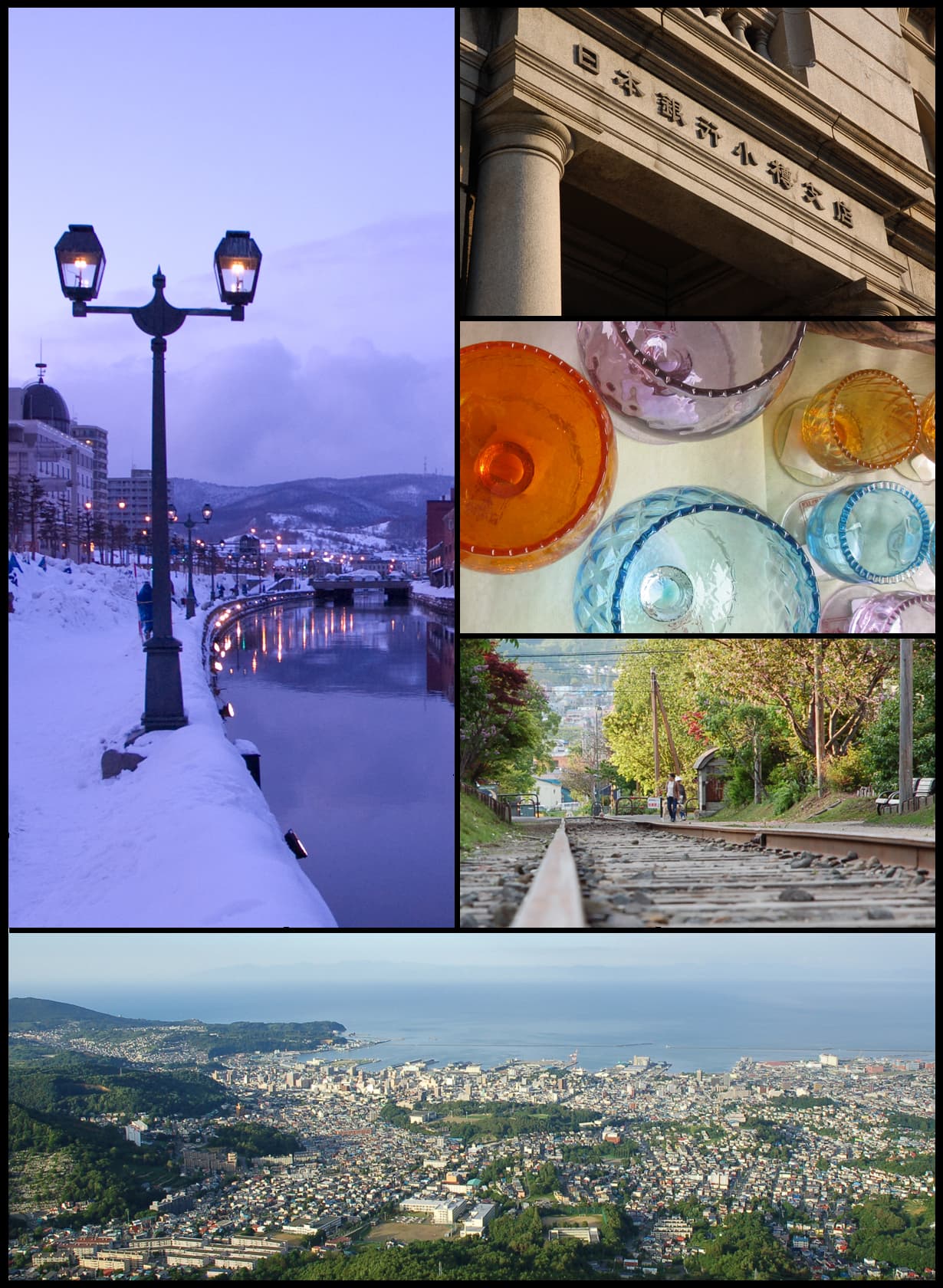 Komatta / CC BY-SA 3.0, via Wikimedia Commons
“Where historic canals reflect a bustling past and artisan craft endures.”
Not the postcards. The stories even locals don't know — whispered in your ear, right where they happened.
The Otaru Canal, a picturesque symbol of the city, was not always destined for its current charming existence.
Outside the Otaru Music Box Museum, a grand steam clock performs a melody every 15 minutes.
Otaru is known for its delicate glassware, but its glassmaking origins were far from purely aesthetic.
Discover every secret of Otaru
Every address, every reveal in full — in your ear, right where it happened.
You pick your stops. You walk. The voice reveals what the others miss.
No tours available yet. Check back soon — we're preparing them.
Otaru, a captivating port city on Hokkaido's western coast, offers a journey through time with its preserved architecture and scenic waterfront. Once a bustling hub of trade and fishing, particularly for herring, Otaru's prosperity in the late 19th and early 20th centuries left a legacy of impressive stone warehouses and grand Western-style buildings.
Today, these historic structures, many lining the iconic Otaru Canal, have been thoughtfully repurposed into inviting cafes, artisan shops, and museums, drawing visitors with their nostalgic appeal. Just a short train ride from Sapporo, Otaru provides a distinct atmosphere, blending its deep heritage with a lively contemporary craft scene, making it an ideal destination for those seeking a blend of history, culture, and culinary delights.
The name "Otaru" itself has roots in the indigenous Ainu language, possibly meaning "river running through the sandy beach." The area's history stretches back to the Zoku-Jōmon period, with carvings found in the Temiya Cave dating to around A.D. 400. From the 1850s, Otaru underwent a rapid transformation from an Ainu enclave into a flourishing merchant city. This boom was largely fueled by the herring trade, a period so prosperous it was often referred to as the "herring gold rush." By 1897, the yearly herring yield reached nearly 100 million tons, a record in Japanese history, and the city's population swelled from approximately 1,000 to 60,000 inhabitants.
Otaru's strategic location led the Meiji Government to establish its first office for Hokkaido's development here, solidifying its role as an important international trading port. The city became the terminus of Hokkaido's first national railway line, established in 1880, connecting Otaru with Sapporo and facilitating the transport of coal and other goods. As trade flourished, numerous banks and shipping companies opened branches in the downtown area, earning it the moniker "Wall Street of the North." Grand stone buildings, constructed between 1868 and 1926, served as these financial institutions and trading houses, many of which still stand today.
The iconic Otaru Canal, completed in 1923, was built to improve the efficiency of cargo transfer between large ships anchored offshore and the warehouses on land. Barges would ferry goods along this gently curving waterway. However, with the advent of modern wharves and larger cargo ships that could dock directly, the canal's original purpose diminished. In the 1960s, plans to fill in the entire canal for road expansion sparked a significant preservation movement. A compromise was reached in the 1980s, resulting in half of the canal being preserved and transformed into the scenic promenade with gas lamps and renovated warehouses that characterize Otaru today. This period also saw the glass industry, which initially produced fishing floats, pivot to decorative glassware, further shaping Otaru's artistic identity.
Begin your exploration with a stroll along the Otaru Canal, the city's most recognizable landmark. The stone warehouses lining the waterway, many dating back to the early 20th century, now house various shops, cafes, and restaurants. Consider a canal cruise for a different perspective of the historic area.
Just a short walk from the canal is Sakaimachi Street, a preserved merchant street filled with impressive Western-style buildings. Here, you'll find the Otaru Music Box Museum, which features a vast collection of music boxes and an impressive steam clock outside that chimes every 15 minutes. Nearby, explore the numerous Kitaichi Glass shops, showcasing Otaru's renowned glassware, some even offering glassblowing experiences.
For expansive views of the city and Ishikari Bay, take the cable car up to Mount Tengu. Food enthusiasts should visit Sankaku Market (Triangle Market) near Otaru Station for fresh Hokkaido seafood, including sushi and kaisendon (seafood bowls). Do not miss the Tanaka Sake Brewery, the only remaining sake brewery in Otaru, where you can observe the brewing process and enjoy tastings.
Otaru offers distinct experiences throughout the year. Winter (December to February) is particularly magical, with abundant snowfall creating picturesque snowscapes and the enchanting Otaru Snow Light Path Festival in February, where thousands of candles illuminate the canal and streets. Summers (June to August) are pleasantly mild with low humidity, providing a comfortable escape from the heat of southern Japanese cities. Autumn (mid-October to early November) brings lively foliage and crisp air, ideal for comfortable city walks.
Otaru is easily accessible, especially from Sapporo, with frequent rapid trains connecting the two cities in about 30-40 minutes. For those arriving at New Chitose Airport, direct rapid airport express trains to Otaru Station take approximately 90 minutes. Once in Otaru, most major attractions, including the canal area and Sakaimachi Street, are within walking distance of Otaru Station. Local buses are available for destinations further afield, such as Otaru Aquarium or Mount Tengu. Consider a Hokkaido Rail Pass if you plan extensive train travel in the region.