Neko no Hosomichi (Cat Alley)
Onomichi is known for its many feline residents, but one specific alley offers a unique insight into their artistic influence.
Full story unlocks in the tour
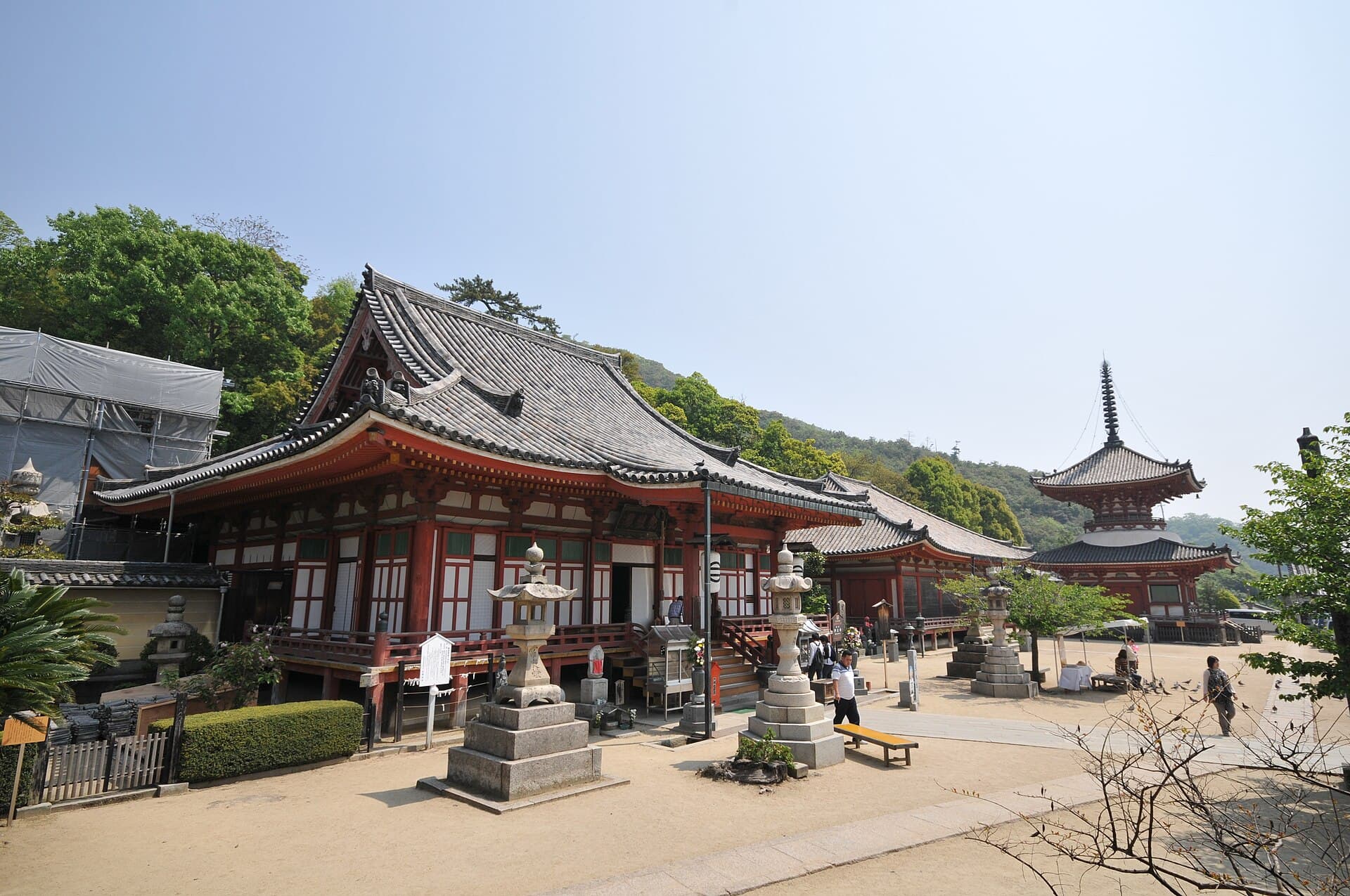 by Reggaeman / CC BY-SA 3.0, via Wikimedia Commons
“Where time slows, and cats roam ancient paths above the Seto Inland Sea.”
Not the postcards. The stories even locals don't know — whispered in your ear, right where they happened.
Onomichi is known for its many feline residents, but one specific alley offers a unique insight into their artistic influence.
High above the city, a large rock at Senko-ji Temple holds a legend that once guided ships through the night.
Beyond the usual shops, this shopping street offers a glimpse into the city's architectural past.
Discover every secret of Onomichi
Every address, every reveal in full — in your ear, right where it happened.
You pick your stops. You walk. The voice reveals what the others miss.
No tours available yet. Check back soon — we're preparing them.
Onomichi, a port city in Hiroshima Prefecture, offers a tranquil escape along the Seto Inland Sea. This hillside town is characterized by its winding alleys, numerous temples, and sweeping views of the sea and neighboring islands. Onomichi provides a distinct contrast to Japan's bustling metropolises, inviting visitors to explore its cultural heritage and natural beauty at a leisurely pace.
The city's unique landscape, with its many slopes and stairways, has inspired generations of artists, writers, and filmmakers, earning it the moniker "the city of literature and film." From ancient temples clinging to mountainsides to charming retro-style shops in refurbished historic buildings, Onomichi blends tradition with a quiet, artistic sensibility. It also serves as the starting point for the renowned Shimanami Kaido cycling route, drawing cyclists from around the world.
Onomichi's allure extends to its friendly stray cats, which can be spotted throughout the city's narrow lanes, adding to its distinctive atmosphere. Whether you're seeking spiritual reflection on a temple walk, an invigorating cycling adventure, or simply a peaceful retreat with scenic vistas, Onomichi offers a memorable and authentic Japanese experience.
Onomichi's story is deeply intertwined with the Seto Inland Sea, officially opening as a port in 1168 during the Heian period. An imperial decree granted it the status of an official port, primarily for the transshipment of rice collected as tax from western provinces to the capital, Kyoto. This strategic role quickly transformed a modest fishing village into a thriving trading hub.
Its geographical location, with a narrow strait between the mainland and Mukaijima Island, created a naturally protected deep-water harbor, ideal for ships. Onomichi became a crucial link on the maritime trade route connecting Kyushu and western Honshu with major centers like Osaka. The economic prosperity fostered a class of wealthy merchants and shipowners who, in turn, funded the construction of numerous Buddhist temples and shrines. This period, spanning the 14th and 15th centuries, laid the foundation for the city's distinctive architectural character, with temples cascading down the mountainsides toward the sea.
During the Edo period (1603–1868), while its primary importance as a rice shipment center waned, Onomichi remained a vital node for interlinking the region via shipping lanes. The city continued to flourish as a port of call for 'Kitamaebune' trading vessels traveling between Hokkaido and Osaka. In 1891, the Sanyo Railway line was completed, and Onomichi Railway Station opened, further connecting the city. Onomichi was officially granted city status in 1898, becoming the second municipality of its kind in Hiroshima Prefecture.
The 20th century saw Onomichi gain recognition in the cultural sphere. In 1953, Yasujiro Ozu's critically acclaimed film Tokyo Story was filmed here, bringing global cinematic fame to the city. Director Nobuhiko Obayashi, a native of Onomichi, further cemented its cinematic legacy with his celebrated "Onomichi Trilogy," making the city a pilgrimage site for film lovers. The launch of the Senkoji Mountain Ropeway in 1957 provided easy access to panoramic views, enhancing its appeal to tourists. In 1999, the Shimanami Kaido opened, connecting Onomichi to Shikoku Island via a series of bridges and establishing the city as a major destination for cyclists. In 2015, Onomichi's historical landscape and culture were officially recognized as a "Japan Heritage" site.
Onomichi offers a blend of historic charm and scenic beauty. A highlight is the Temple Walk, a 2.5-kilometer route connecting 25 Buddhist temples, winding through narrow lanes and residential areas. It's a journey that can take anywhere from an hour to half a day, depending on how much time you spend at each temple.
At the peak of Mt. Senkoji, accessible by foot or the Senko-ji Ropeway, you'll find Senko-ji Temple, a prominent landmark founded in 806. The temple's vermillion structures stand out, and from its observation deck, you can enjoy expansive views of the port and the Seto Inland Sea. Also on Mt. Senkoji is the Onomichi City Art Museum, designed by architect Tadao Ando, which showcases local and Western artworks.
Near Senko-ji, the Path of Literature features 24 stone monuments inscribed with quotes from famous authors who found inspiration in Onomichi. For cat lovers, Neko no Hosomichi (Cat Alley), near Ushitora Shrine, is a charming lane adorned with cat statues and art, where you can also spot real cats. The Onomichi Hondori Shopping Street provides a glimpse into the city's past with its renovated historic buildings now housing unique shops and cafes.
Onomichi is also the starting point of the Shimanami Kaido, a 70-kilometer cycling route that crosses six islands via a series of bridges, offering expansive views of the Seto Inland Sea.
Onomichi is a destination that can be enjoyed year-round, with each season offering a different appeal. For comfortable weather and outdoor activities, late May to early June and early September to mid-October are ideal. Spring (late March to April) is particularly beautiful for cherry blossoms, especially at Senkoji Park, which will be in full bloom. Autumn brings pleasant temperatures and lively foliage. Summers (June to September) are warm and humid, with average temperatures reaching 26-28°C, and can be rainy, so light, breathable clothing and an umbrella are recommended. Winters (December to February) are mild and dry, with average temperatures around 5-7°C, making warm, layered clothing essential.
Onomichi is easily accessible by rail. The most common way to arrive is by taking the Sanyo Shinkansen (bullet train) to Fukuyama Station, then transferring to a local JR train for the short ride to Onomichi Station, which is centrally located. While there is a Shin-Onomichi Shinkansen station, it's served only by slower Kodama trains and is about a 10-minute bus ride from the city center. The Japan Rail Pass covers most of these train routes.
The city center is compact and best explored on foot, though many attractions are located on slopes, requiring some uphill walking. The Senko-ji Ropeway offers a less strenuous option for reaching the hilltop attractions. For those cycling the Shimanami Kaido, bicycle rentals are readily available near Onomichi Station. Accommodation options range from hotels and traditional ryokans to guesthouses, with some unique artisan hotels in restored townhouses. Many establishments accept credit cards.