Gansho-in Temple
Beyond its serene grounds, a ceiling painting by Hokusai holds a surprising detail.
Full story unlocks in the tour
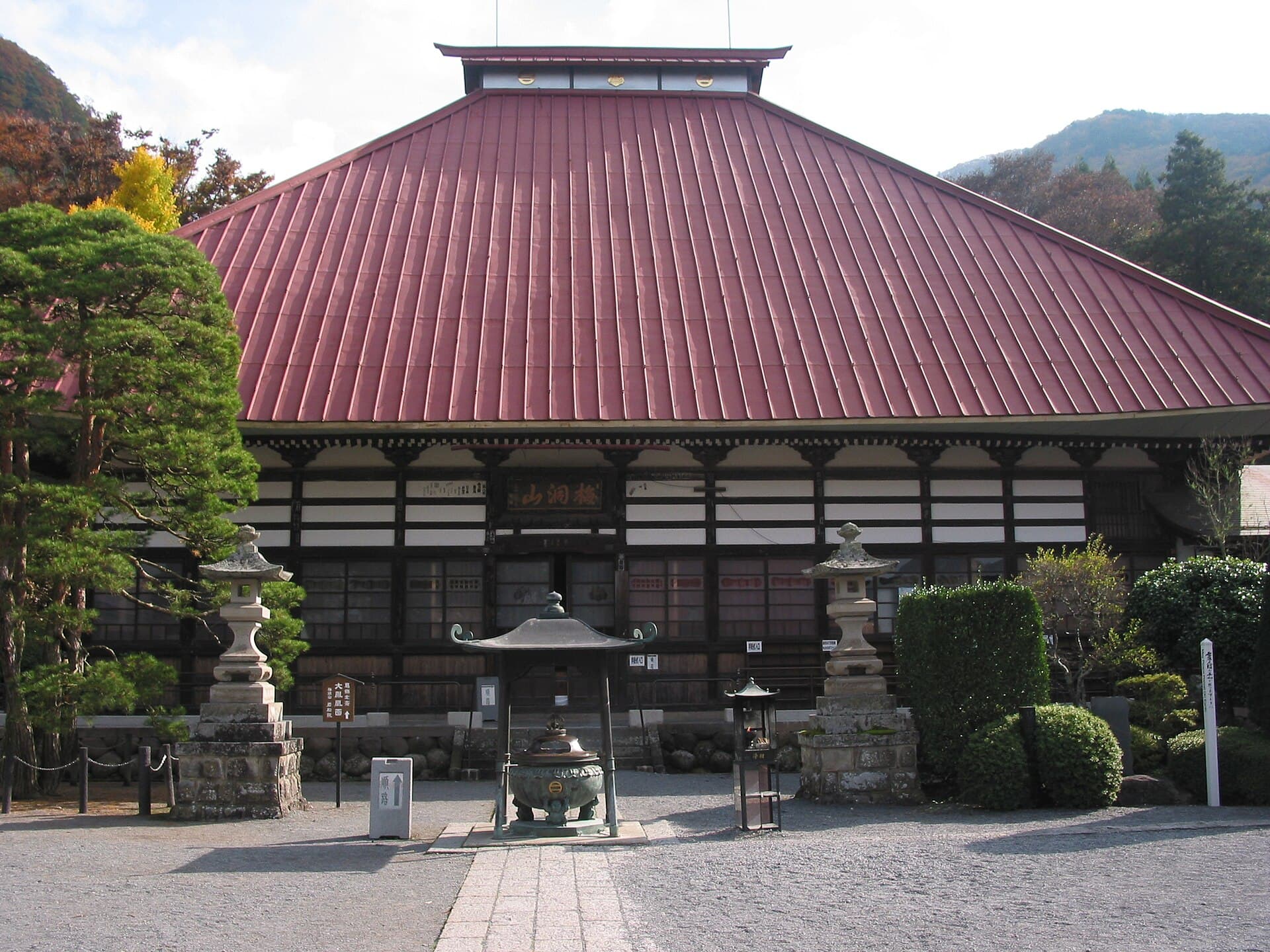 Tawashi2006 / CC BY-SA 3.0, via Wikimedia Commons
“Where art, chestnuts, and history intertwine in the heart of Shinshu.”
Not the postcards. The stories even locals don't know — whispered in your ear, right where they happened.
Beyond its serene grounds, a ceiling painting by Hokusai holds a surprising detail.
The town's celebrated chestnut sweets have a history that's more about necessity than luxury.
The clear mountain waters of Obuse are essential for its renowned sake, but there's a specific reason why this region became a sake hub.
Discover every secret of Obuse
Every address, every reveal in full — in your ear, right where it happened.
You pick your stops. You walk. The voice reveals what the others miss.
No tours available yet. Check back soon — we're preparing them.
Obuse, a small town in Nagano Prefecture, offers a delightful escape into a world where art, tradition, and culinary delights converge. Known for its strong connection to the ukiyo-e master Katsushika Hokusai, the town offers a tranquil atmosphere, inviting visitors to wander its charming streets and discover its unique character. Beyond its artistic heritage, Obuse is celebrated for its delectable chestnuts and locally brewed sake, making it a destination that engages both the mind and the palate.
This compact town has meticulously preserved its historical streetscapes, featuring traditional kura (earthenware storehouses) and beautifully maintained gardens. It's a place that encourages slow travel, where each turn reveals a new detail, from small art galleries to artisan workshops. Obuse's commitment to culture and local produce creates an experience that feels both authentic and intimately connected to the surrounding Shinshu landscape.
## A Merchant Town's Artistic Flourish Obuse's history is deeply rooted in its development as a prosperous merchant town during the Edo period (1603-1868). Its strategic location along the trade routes connecting Nagano with other regions facilitated the exchange of goods and ideas, leading to significant economic growth. Wealthy merchants and landowners, known as go-no-mono, invested in culture and the arts, attracting prominent figures to the town.
One of the most significant chapters in Obuse's history is its connection to Katsushika Hokusai. In his later years, the renowned ukiyo-e artist was invited to Obuse by a wealthy local merchant and patron, Takai Kozan. Hokusai spent several periods in Obuse between 1842 and 1849, creating some of his most impressive works, including the phoenix ceiling painting at Gansho-in Temple and various festival floats. This patronage transformed Obuse into a minor artistic hub, a legacy proudly preserved today.
In the post-Meiji Restoration era, Obuse continued its agricultural traditions, particularly excelling in fruit cultivation, with chestnuts becoming a signature product. In recent decades, the town has embraced a vision of cultural tourism, meticulously restoring historical buildings and promoting its artistic and culinary heritage. This thoughtful approach has allowed Obuse to retain its authentic charm while welcoming visitors to experience its unique blend of history and contemporary culture.
The Hokusai Museum is an essential stop, showcasing a remarkable collection of the master's works, including his famous festival float paintings and a dedicated room for the Gansho-in Temple phoenix. Wander through the Obuse Museum Nakajima Chinami Hall to admire contemporary Japanese paintings, offering a contrast to Hokusai's historical art.
Explore the traditional architecture and serene gardens of Gansho-in Temple, home to Hokusai's magnificent phoenix ceiling. Stroll along the charming streets, where you'll find numerous chestnut confectioneries offering samples of their seasonal delights. Do not miss the opportunity to visit a local sake brewery for a tasting and a glimpse into the traditional brewing process. Many of these establishments offer tours and direct sales.
For a breath of fresh air, the Floral Garden Obuse provides a colorful display of seasonal flowers, particularly lively in spring and summer. The town also features several smaller, privately owned museums and art spaces, often housed in renovated kura, providing intimate cultural experiences.
Spring (April to May) brings cherry blossoms and pleasant temperatures, ideal for walking. Autumn (October to November) is arguably the most popular time, when the chestnut harvest is in full swing and the surrounding mountains display lively fall foliage. Summers (June to September) are warm and green, while winters (December to March) offer a quiet charm, often with snow, and fewer crowds.
Obuse is easily accessible by train. From Nagano Station, take the Nagano Dentetsu Line to Obuse Station (approximately 30 minutes). The town center is walkable from the station, but rental bicycles are available for exploring further afield. While many establishments accept credit cards, it's advisable to carry some Japanese Yen for smaller shops and and eateries. English is not widely spoken, so having a translation app or phrasebook can be helpful. Consider purchasing a combination ticket for the main museums if you plan to visit several.