Ponshukan (Echigo Yuzawa)
Beyond tasting an impressive array of sake, there's a unique way to experience Niigata's famous rice wine.
Full story unlocks in the tour
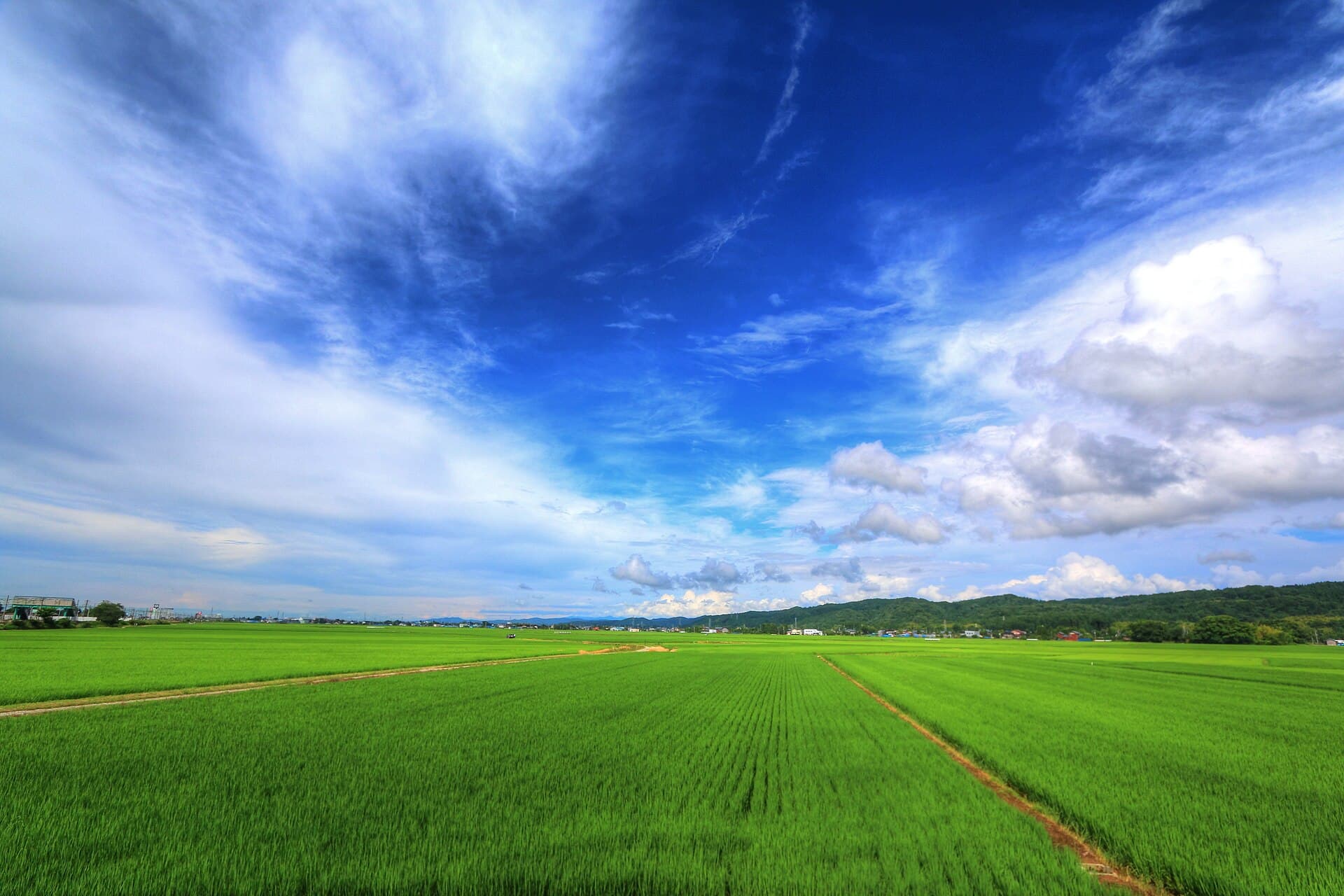 くろふね / CC BY 3.0, via Wikimedia Commons
“Niigata: Japan's Snow Country, where tradition flows like sake.”
Not the postcards. The stories even locals don't know — whispered in your ear, right where they happened.
Beyond tasting an impressive array of sake, there's a unique way to experience Niigata's famous rice wine.
Long before modern Japan, an ancient people left behind striking artistic and functional objects here.
This remote island, once a place of exile, played a crucial role in Japan's economic history.
Discover every secret of Niigata
Every address, every reveal in full — in your ear, right where it happened.
You pick your stops. You walk. The voice reveals what the others miss.
No tours available yet. Check back soon — we're preparing them.
Niigata, a prefecture along the northwest coast of Honshu, Japan's primary island, extends an invitation to experience natural splendor, enduring heritage, and distinct culinary customs. Frequently called 'Snow Country' due to its profound winter snows, the region's contours are sculpted by the Sea of Japan, the Shinano River—Japan's longest—and the Echigo Mountains. This singular geography contributes to its renown as a source of high-quality rice, exceptional sake, and fresh seafood.
While perhaps less traversed by international visitors than Tokyo or Kyoto, Niigata offers a more grounded and genuine Japanese encounter. From tranquil rice paddies and venerable shrines to world-class ski resorts and comforting hot springs, the prefecture presents a varied collection of attractions across its distinct seasons. Niigata City, the prefectural capital, acts as a central nexus, providing urban amenities alongside ready access to the region's natural and cultural highlights.
The story of Niigata is deeply interwoven with its strategic geographical placement at the convergence of the Shinano and Agano rivers and its access to the Sea of Japan. Archaeological findings suggest human presence in the region reaches back to antiquity, with Jomon period settlements uncovered along the Shinano River basin. The distinctive 'flame pottery' unearthed here, dating back approximately 5,000 years, stands as a testament to the early culture that prospered in this area.
During the 16th and 17th centuries, Niigata's port began to evolve into a crucial center for domestic commerce, particularly for the rice cultivated on the fertile Echigo Plain. This exchange was facilitated by kitamaebune trading vessels, which transported goods between western Japan and Hokkaido, with Niigata serving as an essential nexus. The city's economic importance grew, drawing the attention of the central government. In 1858, under the Treaty of Amity and Commerce with the USA, Niigata was designated as one of five Japanese ports open to international trade, though it officially opened to foreign vessels in 1869. This solidified its standing as an important maritime gateway for the nation.
Niigata officially attained city status in 1889. The construction of the Bandai Bridge, completed in 1929, became an emblematic feature of the city, linking the newer Bandai area with the historic Furumachi district. The city's legacy as a prosperous port town also fostered a lively nightlife, including ryotei (exclusive high-class restaurants) and geisha (known as geigi in Niigata) entertainment, a custom that persists on a smaller scale today. Despite a significant fire in 1955 that consumed a substantial portion of its central districts, Niigata has rebuilt and continued to progress, maintaining its identity as a city shaped by its connection to water, agriculture, and trade.
Niigata presents a diverse array of attractions, from historical sites to natural wonders. The Northern Culture Museum in Shibata offers a window into the life of a prosperous 19th-century family and houses an art collection. For a deeper exploration of the city's past, the Niigata City History Museum (Minatopia) allows visitors to wander through heritage buildings, including the 19th-century Niigata Customs House. The Bandai Bridge, an Important Cultural Property of Japan, stretches across the Shinano River and stands as a prominent city landmark, especially when illuminated at night.
Those who appreciate nature can explore Sado Island, reachable by ferry, recognized for its dramatic coastline, historic gold mine, and traditional tarai-bune (tub boat) excursions. The island also serves as a sanctuary for the Japanese Ibis, a species successfully reintroduced there. For serene vistas, the Hoshitoge Rice Terraces in Tokamachi provide picturesque reflections when the paddies are full of water, particularly striking in the early morning mist. Hakusan Shrine offers a peaceful green expanse within the city, hosting seasonal festivals.
Niigata also serves as a primary destination for winter sports, with many ski resorts like Naeba Ski Resort and GALA Yuzawa Snow Resort drawing visitors for skiing and snowboarding. The prefecture contains an abundance of hot springs, such as Tsukioka Onsen in Shibata City, known for its 'beauty bath' properties.
The ideal time to visit Niigata generally extends from late April to early November, when the weather is most agreeable for exploration. Spring, from late April to mid-June, is mild and less rainy, with cherry blossoms typically reaching their peak around April 13th. Summer, especially August, is warm and suitable for hot-weather activities and enjoying green rice fields. Autumn, from late October to mid-November, brings forth brilliant foliage. Winter, from December to March, transforms the region into a snowy expanse, perfect for skiing, snowboarding, and experiencing hot springs.
Niigata is well-connected and readily accessible. From Tokyo, the Joetsu Shinkansen provides the quickest route, arriving at Niigata Station in approximately two hours. Direct flights from major Japanese cities like Osaka, and international flights from Taiwan, China, and South Korea, also serve Niigata Airport. Within Niigata City, many attractions are within walking distance of the train station and city center. For longer distances or exploring rural areas and ski resorts, an efficient bus system is available, and renting a car is a recommended option for greater flexibility. Ferries provide passage to Sado Island from Niigata Port. Accommodation choices span from business hotels in the city to traditional ryokan (Japanese inns), particularly in areas like Shibata or Sado Island.