Balcón de Europa
Most guidebooks will tell you the Balcón de Europa is named for King Alfonso XII's exclamation, but they often miss the earlier, more practical purpose of this iconic viewpoint.
Full story unlocks in the tour
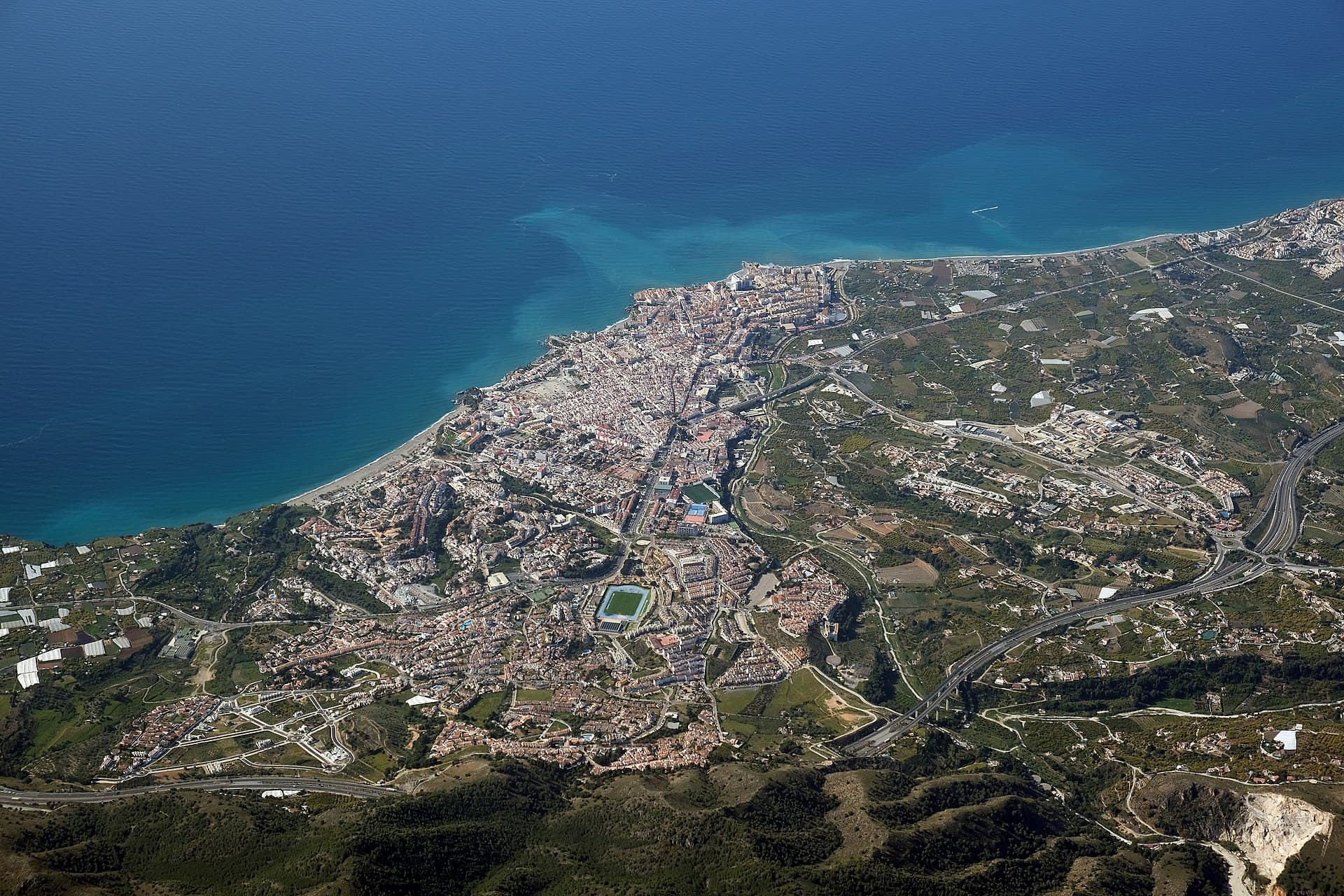 kallerna / CC BY-SA 4.0, via Wikimedia Commons
“Where the Sierra Almijara meets the Mediterranean, and time slows to a coastal rhythm.”
Not the postcards. The stories even locals don't know — whispered in your ear, right where they happened.
Most guidebooks will tell you the Balcón de Europa is named for King Alfonso XII's exclamation, but they often miss the earlier, more practical purpose of this iconic viewpoint.
The famous Caves of Nerja hold prehistoric paintings, but the story of their modern discovery involves a group of friends and a very unexpected find.
The fishing boat 'La Dorada 1ª' is a beloved landmark in Nerja, but its connection to a popular Spanish TV series has a slightly bittersweet backstory for its creator.
Discover every secret of Nerja
Every address, every reveal in full — in your ear, right where it happened.
You pick your stops. You walk. The voice reveals what the others miss.
No tours available yet. Check back soon — we're preparing them.
Nerja, a sun-drenched town on Andalusia's eastern Costa del Sol, presents a compelling blend of natural beauty and cultural depth. Its dramatic coastline is punctuated by coves and cliffs, offering a more intimate Mediterranean experience than some of its busier neighbors. The town's most celebrated feature, the Balcón de Europa, provides expansive views across the sea, a place where the horizon seems to stretch endlessly. This former defensive outpost now serves as a popular promenade, inviting leisurely strolls and moments of quiet contemplation.
Beyond the immediate allure of its beaches and the iconic Balcón, Nerja's charm extends to its labyrinthine old town, a collection of whitewashed buildings adorned with bougainvillea. Here, narrow streets wind past traditional tapas bars and artisan shops, leading visitors deeper into the town's relaxed pace of life. The scent of jasmine often mingles with the salty air, creating an atmosphere that is both invigorating and soothing. Nerja acts as a gateway to both the azure waters of the Mediterranean and the rugged peaks of the Sierra Almijara, offering diverse landscapes for exploration.
Nerja's history stretches back to prehistoric times, evidenced by the remarkable discoveries within the Caves of Nerja. These caves contain some of the oldest known cave paintings in Europe, dating back over 42,000 years, indicating a human presence long before recorded history. The area later saw Phoenician and Roman influence, though concrete archaeological evidence of Roman settlements within Nerja itself is less extensive than in some neighboring areas. The name 'Nerja' is believed to derive from the Arabic 'Narixa', meaning 'abundant spring' or 'rich in water', reflecting the region's fertile lands.
During the Moorish rule, which lasted for several centuries, Nerja flourished as an agricultural center, known for its silk production and sugar cane cultivation. The town's strategic coastal position also made it vulnerable to pirate attacks, necessitating the construction of defensive towers and fortifications along its coastline. The remnants of these structures, including the foundations of what would become the Balcón de Europa, speak to a period of constant vigilance and defense.
Following the Reconquista in 1487, Nerja, like much of Andalusia, underwent significant changes. The Christian conquest led to a decline in its Moorish population and a shift in its economic and social structures. The town's agricultural traditions, however, persisted, with new crops and techniques introduced. In the 19th century, Nerja experienced a period of growth, particularly with the establishment of sugar cane factories. The 20th century saw Nerja gradually transform from a primarily agricultural town into a burgeoning tourist destination, a process significantly accelerated by the discovery of the Caves of Nerja in 1959 and the subsequent international attention.
Begin your exploration at the Balcón de Europa, a prominent promenade offering panoramic views of the Mediterranean Sea and the rugged coastline. Below the Balcón, descend to the small coves and beaches like Calahonda and El Salón for a closer encounter with the clear waters. A short drive or walk east leads to the Cueva de Nerja (Caves of Nerja), a vast cave system renowned for its impressive stalactites and stalagmites, and significant prehistoric paintings.
Stroll through the Old Town, a charming district of narrow, winding streets lined with whitewashed houses, boutique shops, and traditional tapas bars. Discover the Church of El Salvador, an 18th-century Baroque-Mudejar style church located near the Balcón. For a touch of local nostalgia, visit El Barco de Chanquete (La Dorada 1ª), a replica of the fishing boat from the beloved Spanish TV series 'Verano Azul', situated in Parque Verano Azul. For beach lovers, Playa Burriana is a larger, well-equipped beach with numerous restaurants and water sports.
The shoulder seasons of spring (April-May) and early autumn (September-October) are ideal for visiting Nerja. During these months, the weather is pleasantly warm, perfect for exploring without the intense heat and larger crowds of summer. The sea is still warm enough for swimming in early autumn. Summer (June-August) offers abundant sunshine but can be very hot and crowded, while winter (November-March) is mild but may have more rainfall and fewer tourist services.
Nerja is easily accessible from Malaga Airport (AGP), approximately a 45-minute drive. Regular bus services connect Nerja with Malaga and other nearby towns. While the town center is walkable, a car is recommended for exploring the surrounding areas, including the white villages of the Sierra Almijara. Parking can be challenging in the high season; consider using underground public car parks. The local cuisine centers around fresh seafood; be sure to try 'pescaíto frito' (fried fish) and 'espetos de sardinas' (sardine skewers). Tapas are a popular way to sample a variety of dishes. Many establishments offer a complimentary tapa with each drink.