Negombo Fish Market (Lellama)
The fish market presents a chaotic symphony of sights and sounds, yet a quieter, often overlooked part of its daily rhythm unfolds.
Full story unlocks in the tour
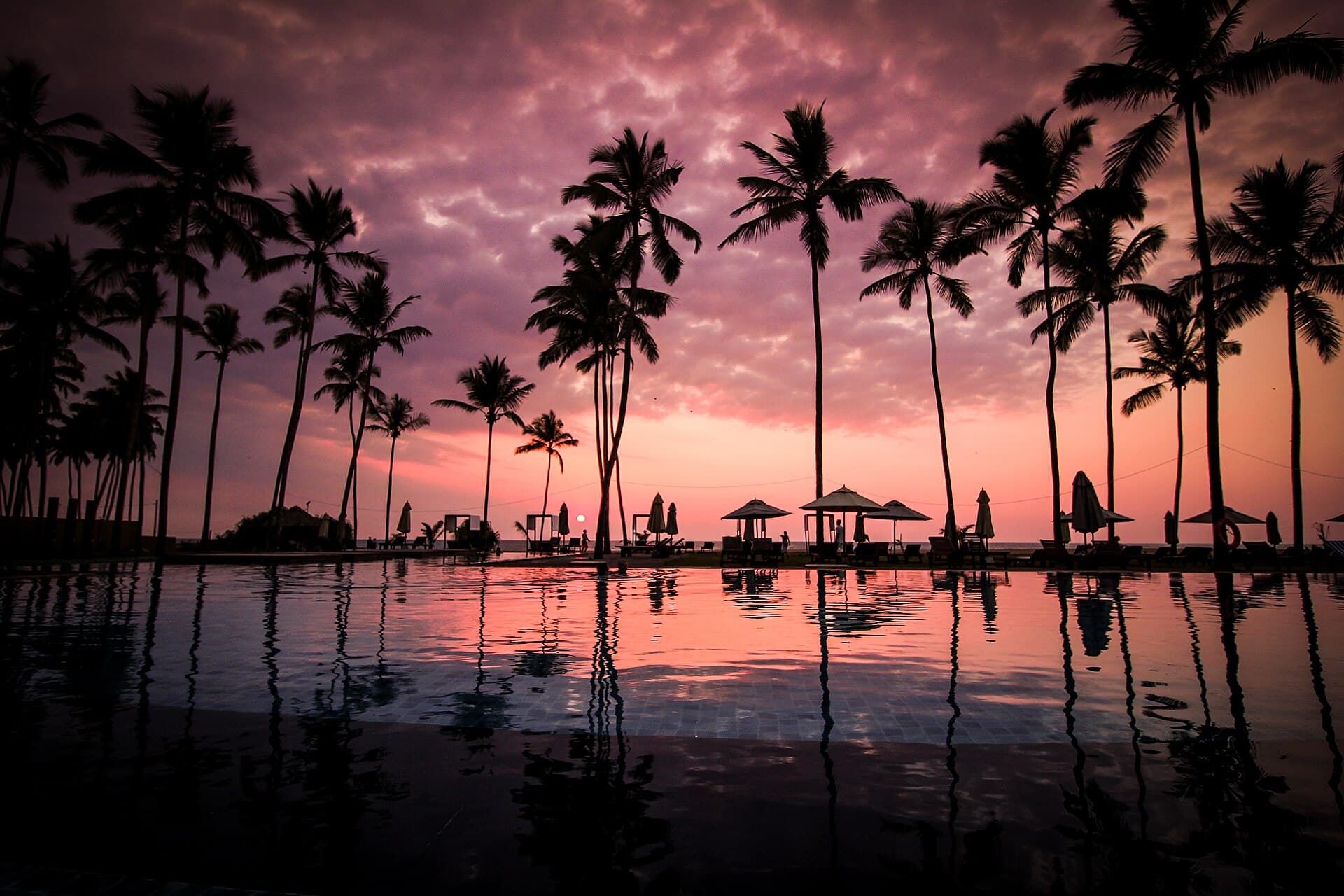 Recal Media recalmedia / CC0, via Wikimedia Commons
“Where the scent of cinnamon and sea salt lingers, a coastal town recounts tales of empires and tides.”
Not the postcards. The stories even locals don't know — whispered in your ear, right where they happened.
The fish market presents a chaotic symphony of sights and sounds, yet a quieter, often overlooked part of its daily rhythm unfolds.
What remains of the Dutch Fort serves a surprising, modern-day purpose that few visitors experience firsthand.
Negombo is known as 'Little Rome' for its many churches, but one detail within St. Mary's Church often escapes notice amidst its grandeur.
Discover every secret of Negombo
Every address, every reveal in full — in your ear, right where it happened.
You pick your stops. You walk. The voice reveals what the others miss.
No tours available yet. Check back soon — we're preparing them.
Negombo, a coastal city on Sri Lanka's west coast, offers a captivating blend of colonial history, a lively fishing culture, and golden beaches. Situated just 9 km from Bandaranaike International Airport, it serves as an ideal first or last stop for travelers to the island. Often called "Little Rome" due to its strong Catholic heritage, the city's identity is deeply intertwined with its past as a major cinnamon spice trading hub.
Beyond its convenient proximity to the airport, Negombo provides a more relaxed and unhurried atmosphere compared to the urban intensity of Colombo. Here, you can immerse yourself in the daily life of a thriving fishing community, explore historical waterways, and unwind by the Indian Ocean. The city's multicultural fabric is evident in its diverse religious sites, from grand churches to Hindu and Buddhist temples. Negombo invites visitors to slow down, savor fresh seafood, and discover the layers of its fascinating story.
Negombo's history is a rich narrative woven with threads of trade, conquest, and cultural exchange. Originally a small fishing village, it gained prominence due to its strategic coastal location and the abundance of high-quality cinnamon. As early as the 8th century AD, Arab traders visited the area for spices, particularly cinnamon.
The Portuguese arrived in Sri Lanka in the early 16th century and quickly recognized Negombo's value, capturing the town in 1505 to control the lucrative cinnamon trade. They constructed a fort to protect their interests and, significantly, introduced Catholicism to the island. This era left an indelible mark, as evidenced by the numerous Roman Catholic churches that still stand today, earning Negombo its nickname, "Little Rome."
In 1644, the Dutch seized power from the Portuguese, further developing the fort and building an extensive canal network. These canals, including the Hamilton Canal, were crucial for transporting cinnamon and other spices from plantations inland to the harbor. While the Dutch improved upon an existing 15th-century canal system, the Hamilton Canal was later completed by the British in 1804. By the late 1700s, the cinnamon trade began to decline, and the British took control of Negombo in 1796. Under British rule, fishing once again became the primary economy, and Negombo solidified its position as the second-largest fishing port in Sri Lanka.
After Sri Lanka gained independence in 1948, Negombo continued to thrive as a significant commercial center and a hub for its deep-rooted fishing industry. The layered history is still visible in the city's architecture, surnames, and its lively multicultural atmosphere, making it a fascinating destination to explore.
Negombo offers a variety of experiences, from active markets to serene waterways and impressive religious sites. A visit to the Negombo Fish Market, locally known as Lellama, is essential. Arrive before 7 AM to witness the energetic scene of fishermen hauling in fresh catches like tuna, mackerel, shark, and lobster. The sights and sounds are intense, offering a raw glimpse into a centuries-old way of life.
Explore the Dutch Canal, a historic waterway originally built by the Dutch to transport spices. You can take a boat trip through these canals, which are also excellent for birdwatching. The city is known for its many churches, earning it the moniker "Little Rome." St. Mary's Church is a prominent example, showcasing neoclassical architecture and intricate ceiling paintings. Another significant religious site is the Angurukaramulla Temple, known for its large seated Buddha statue and detailed murals.
While the Negombo Dutch Fort is largely repurposed as part of the local prison, you can still walk around its grass-covered ramparts and see the 17th-century entrance gate. For a different perspective, consider a lagoon boat trip on the Negombo Lagoon, home to diverse wildlife and mangrove forests. And of course, the Negombo Beach offers golden sands for relaxation and beautiful sunsets.
The ideal time to visit Negombo is during the dry season, which extends from December to April. During these months, you can anticipate clear skies, calm seas, and comfortable temperatures, perfect for beach activities and exploring the city. Temperatures typically hover around 30°C during the day and 25°C at night. While the weather remains warm and humid year-round, the southwest monsoon brings afternoon rain from May to September, and short inter-monsoon showers occur in October and November. July and August can also be busy tourist months, so consider shoulder seasons like November and April for fewer crowds and mild temperatures.
The official currency in Negombo, and throughout Sri Lanka, is the Sri Lankan Rupee (LKR). ATMs are widely available, and major credit cards are accepted in hotels and larger shops. However, it's advisable to carry cash in small denominations for tuk-tuks and market purchases. English is widely spoken in tourist areas, though Sinhala is the main language.
Getting around Negombo is convenient. Tuk-tuks are readily available and affordable for short trips; always agree on the fare beforehand or use a metered service. Buses are a cost-effective option for traveling within the city and to other major destinations. The city is also walkable, especially the beach strip and town center. When visiting religious sites, dress modestly by covering your shoulders and knees. Negombo is generally considered safe for tourists, but standard city awareness applies, and it's wise to be cautious of unpredictable beach currents, especially during monsoon season.