Shuri Castle
This grand castle, a symbol of the Ryukyu Kingdom, has faced destruction multiple times.
Full story unlocks in the tour
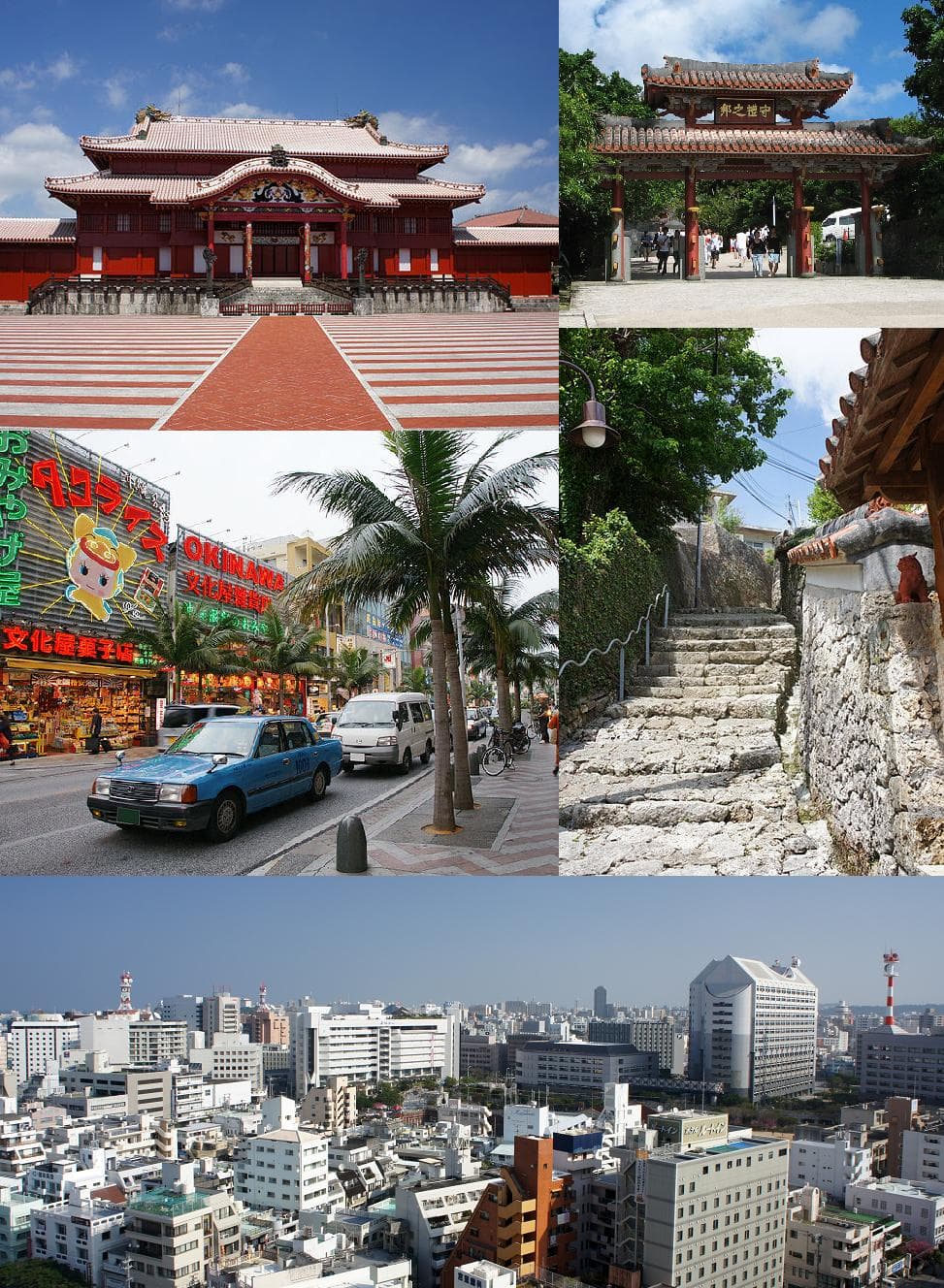 663highland nnh Composition by Kyoww / CC BY-SA 3.0, via Wikimedia Commons
“Where ancient kingdoms meet island light.”
Not the postcards. The stories even locals don't know — whispered in your ear, right where they happened.
This grand castle, a symbol of the Ryukyu Kingdom, has faced destruction multiple times.
Naha's bustling main thoroughfare was once a barren landscape.
This tranquil Chinese garden in Naha was constructed using materials from a specific sister city.
Discover every secret of Naha
Every address, every reveal in full — in your ear, right where it happened.
You pick your stops. You walk. The voice reveals what the others miss.
No tours available yet. Check back soon — we're preparing them.
Naha, the capital of Okinawa Prefecture, serves as a dynamic entryway to Japan's southernmost islands. It offers a distinct blend of Ryukyu Kingdom heritage, tropical allure, and lively urban energy. Situated on the East China Sea coast of Okinawa Island, it stands as the largest and most populous city in the prefecture, home to over 300,000 residents. The city's strategic location historically made it a crucial trading port, fostering a unique culture that weaves together Chinese, Japanese, and Southeast Asian influences.
Those who journey to Naha can explore a city deeply rooted in its past yet pulsing with present-day vitality. From the reconstructed splendor of Shuri Castle, a UNESCO World Heritage site, to the active shops and eateries of Kokusai Street, Naha presents a multifaceted experience. Beyond its historical landmarks, the city offers a warm climate, distinctive local cuisine, and access to beautiful coastal scenery, making it an ideal introduction to Okinawa's captivating island spirit.
## From Ancient Port to Royal Capital Naha's origins reach back to the Middle Ages, developing from a collection of villages between the Asato and Kokuba rivers. As early as the 11th century, its port was a significant center for trade with Korea and mainland Japan. The area's prosperity deepened with its closeness to Shuri, which became the capital of the unified Ryukyu Kingdom between the 14th and 15th centuries.
## The Ryukyu Kingdom Era For over 450 years, from 1429 until 1879, Shuri Castle served as the royal palace and the political, economic, and cultural core of the Ryukyu Kingdom. This era saw Naha thrive as a trade hub, engaging extensively with China and other East and Southeast Asian countries. This interaction profoundly shaped its unique syncretic culture, visible in its architecture and traditional crafts like lacquerware and textiles.
## Annexation and Modernization In 1872, Naha officially became the capital of Okinawa. The Ryukyu Kingdom was dissolved in 1879, and the islands were fully annexed by Japan as Okinawa Prefecture, with Naha retaining its capital status. The city officially merged with Shuri and other neighboring municipalities on May 20, 1921, forming the modern city of Naha.
## Wartime Destruction and Post-War Rebirth Naha endured extensive damage during the Battle of Okinawa in World War II, with the entire city center requiring reconstruction. Following the war, Okinawa was under US administrative governance until its return to Japan in 1972. Reconstruction began on the city's edges, particularly around the Tsuboya district, which had sustained minimal damage. Naha quickly regained its energy, absorbing surrounding areas and growing into the largest city in Okinawa Prefecture. In 2013, Naha became a core city of Japan, taking on more functions typically handled by prefectural governments.
Begin your exploration at Shuri Castle, a UNESCO World Heritage site and the former royal palace of the Ryukyu Kingdom. While the main hall is undergoing restoration after a 2019 fire, the surrounding structures and grounds offer a profound understanding of Okinawan history and a unique fusion of Japanese and Chinese architectural styles.
Walk along Kokusai Street, also known as International Street, Naha's lively main thoroughfare. This 1.6-kilometer stretch buzzes with local markets, souvenir shops, restaurants, and bars, often featuring performances of traditional Okinawan music. Just beyond Kokusai Street, discover the Tsuboya Pottery District, a peaceful area where you can browse traditional Ryukyu ceramics and observe artisans at work.
For a moment of quiet, visit Fukushu-en Garden, a traditional Chinese garden built to commemorate Naha's sister city relationship with Fuzhou, China. Its authentic design and serene atmosphere provide a peaceful escape. Another royal retreat, Shikinaen Garden, offers a beautifully preserved traditional Japanese-style garden with Okinawan influences.
If you seek an urban beach experience, Naminoue Beach is a short walk from downtown Naha, offering clear waters for swimming and sunbathing, watched over by the historic Naminoue Shrine.
Naha enjoys a comfortable climate throughout the year, but the most agreeable time for a visit is typically between October and November. During these months, temperatures are mild, and humidity is lower, allowing you to avoid the rainy and typhoon seasons. Spring is also a popular time due to inviting weather and numerous activities, though it can be busier. While July and August bring peak temperatures, often exceeding 30 degrees Celsius, and higher rainfall, autumn and winter provide pleasant conditions for those looking to avoid larger crowds.
The official currency in Naha, and throughout Japan, is the Japanese Yen (JPY). While cashless options are becoming more common, especially in Naha's tourist areas, many local businesses and rural areas still operate on a cash-only basis. Carrying sufficient yen is advisable. Currency exchange services are available at Naha Airport (OKA) in both international and domestic arrival lobbies, with major banks in the city also offering exchange services.
Naha is generally considered exceptionally safe, even for solo female travelers, with a very low crime rate. Public transportation is reliable; the Okinawa Urban Monorail (Yui Rail) connects Naha Airport to Shuri Station, stopping at key attractions like Kokusai Street. Buses provide access to outer districts and nearby beaches, and day passes are available for unlimited travel within Naha City. Taxis are also readily available and generally more affordable than on mainland Japan.