The Tunnels of Moose Jaw
The city's underground passages are famous for their connection to a notorious American gangster.
Full story unlocks in the tour
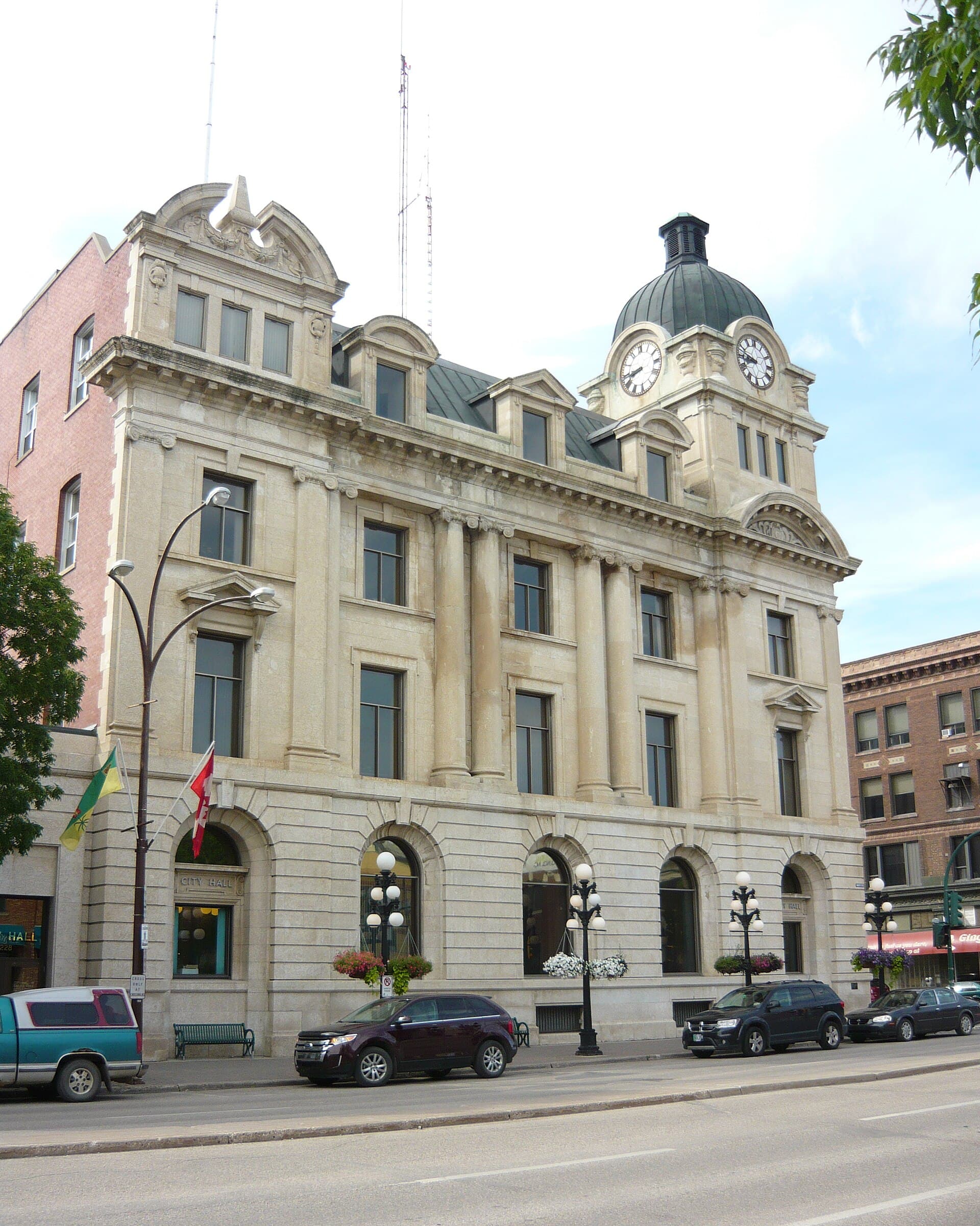 Canadian2006 / CC BY-SA 4.0, via Wikimedia Commons
“Beneath the prairie, stories stir.”
Not the postcards. The stories even locals don't know — whispered in your ear, right where they happened.
The city's underground passages are famous for their connection to a notorious American gangster.
This giant roadside attraction once lost its world record title to a rival across the ocean.
The city's unique name might come from a surprising natural resemblance.
Discover every secret of Moose Jaw
Every address, every reveal in full — in your ear, right where it happened.
You pick your stops. You walk. The voice reveals what the others miss.
No tours available yet. Check back soon — we're preparing them.
Moose Jaw, Saskatchewan, often referred to as "Canada's Most Notorious City," offers a distinctive blend of prairie charm and intriguing history. Located on the Trans-Canada Highway, about 77 kilometers west of Regina, it serves as a significant industrial and agricultural center. The city's downtown core features historic architecture and a welcoming atmosphere, contributing to its reputation as a picturesque and character-filled destination.
Beyond its surface, Moose Jaw holds a sometimes shadowy past, particularly tied to the Prohibition era. This history is vividly brought to life through its famed underground tunnels, which have become a major tourist draw. With a population of over 33,000 residents, Moose Jaw maintains a small-town feel while providing a surprising array of attractions, from geothermal mineral spas to a thriving arts and culture scene.
The Moose Jaw area was historically a winter encampment for Cree and Assiniboine people, who were drawn to the sheltered valley and its warm breezes, abundant water, and game. Métis buffalo hunters also established wintering cabins in the river valley. The city's modern origins trace back to 1881 when the confluence of the Moose Jaw River and Thunder Creek was chosen as a division point for the Canadian Pacific Railway (CPR). This strategic location, offering a crucial water supply for steam locomotives, led to the settlement's founding in 1882 and its incorporation as a city in 1903. The railway played a pivotal role in Moose Jaw's early development, transforming it into an important retail, wholesale, and industrial hub, particularly with the expansion of cereal agriculture in the region.
During the 1920s, Moose Jaw gained a reputation as "Little Chicago" due to its connections to bootlegging during the Prohibition era in the United States. The city's rail links to Chicago made it an ideal conduit for smuggling liquor across the border. This period saw a proliferation of bootlegging, gambling, and prostitution. The extensive network of underground tunnels, initially built for practical purposes like housing boiler systems, became central to these illicit activities, reportedly used by rumrunners to store and transport alcohol covertly. While stories abound of Al Capone's involvement and visits to Moose Jaw to evade authorities, concrete evidence of his presence remains anecdotal. Nevertheless, the allure of this notorious past led to the creation of the Tunnels of Moose Jaw tourist attraction, which opened in 2000, offering theatrical tours that delve into these legends.
Moose Jaw experienced significant growth periods throughout the 20th century, notably from 1911–21, the 1940s, and the 1950s. Today, the city is home to CFB Moose Jaw, a NATO flight training school and the base for the Snowbirds, Canada's military aerobatic air show team, making it a key employer. The discovery of geothermal waters in 1996 led to the opening of the Temple Gardens Mineral Spa, further diversifying Moose Jaw's appeal as a wellness tourism destination. The city actively promotes its heritage, with initiatives like the Murals of Moose Jaw, a series of outdoor paintings depicting historical scenes. In 2019, Moose Jaw officially embraced its historical identity by rebranding itself as "Canada's Most Notorious City," a nod to its colourful past.
Begin your exploration at the Tunnels of Moose Jaw, a year-round attraction offering guided theatrical tours that bring the city's Prohibition-era stories and early Chinese immigrant experiences to life. You can choose from tours like "The Chicago Connection," which delves into bootlegging tales, or "Passage to Fortune," focusing on the challenges faced by Chinese immigrants.
For a dose of local celebrity, visit Mac the Moose, the world's largest moose sculpture, located near the Tourism Moose Jaw office. It's a popular spot for photos and a testament to the city's quirky character.
Relax and rejuvenate at the Temple Gardens Hotel & Spa, known for its natural geothermal mineral pool. The warm mineral waters offer a unique and luxurious experience in the heart of the prairies.
Explore the natural beauty of Wakamow Valley Park, an urban park with over 20 kilometers of trails for walking, cycling, and in winter, cross-country skiing and snowshoeing. The Moose Jaw River winds through the park, providing opportunities for canoeing and kayaking.
Discover the city's history and art through the Murals of Moose Jaw, a collection of outdoor murals depicting significant moments and figures from the city's past. You can also take an open-air Trolley Tour during warmer months for a guided ride through the city's historic downtown, complete with local lore and ghost stories.
The best time to visit Moose Jaw for warm-weather activities is from early July to mid-August. During these months, average daytime temperatures can reach 26°C (79°F), making it ideal for outdoor exploration. Summers are generally warm and pleasant, though the weather can be changeable. While many attractions are open year-round, the warmer season from May to September is generally recommended for exploring Moose Jaw and its surrounding areas. Winters are cold, snowy, and windy, with temperatures often dropping significantly below freezing.
Moose Jaw has a population of approximately 33,665 residents. The city is easily accessible via the Trans-Canada Highway. While Moose Jaw does not have its own airport, the closest major airport is Regina (YQR), located 62 kilometers away. Car rentals are available, with average daily costs around $53. The city is walkable, especially its historic downtown core. Public transportation options include local bus services. Several hotels are available, ranging from chain hotels to more character-filled options like the Grant Hall Hotel or the Temple Gardens Hotel & Spa. The local economy is diverse, with key sectors including agriculture, potash mining, transportation, and tourism.