The Hermit Caves of Badovas
Long before the grand monasteries, the first ascetics of Meteora found their solitude in nearly inaccessible caves. One particular cluster holds a surprising, almost forgotten, history.
Full story unlocks in the tour
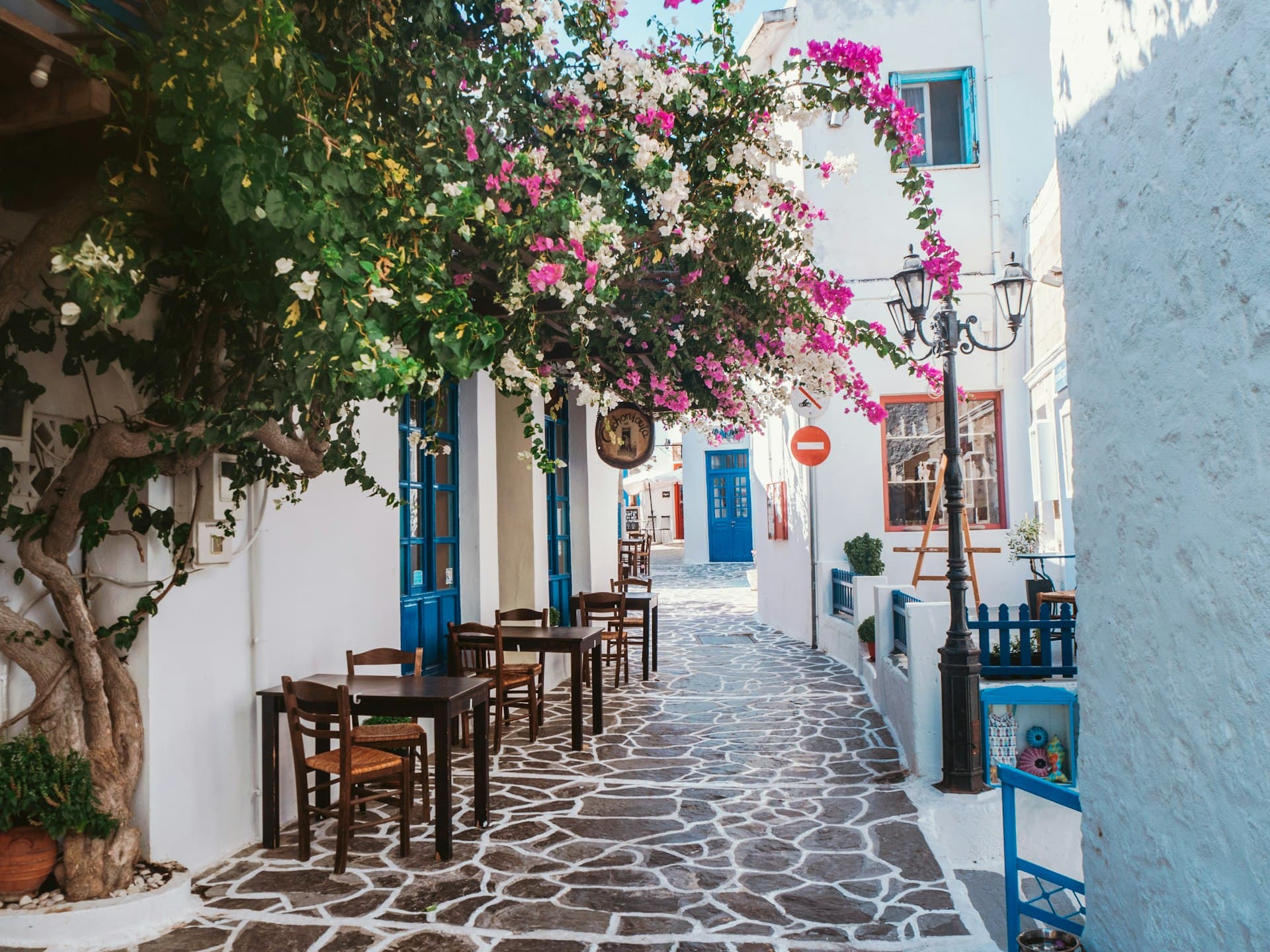 Photo: Johnny Africa / Unsplash
“Where ancient monasteries cling to colossal rock pillars, suspended between earth and sky.”
Not the postcards. The stories even locals don't know — whispered in your ear, right where they happened.
Long before the grand monasteries, the first ascetics of Meteora found their solitude in nearly inaccessible caves. One particular cluster holds a surprising, almost forgotten, history.
This monastery, famously featured in a James Bond film, was once so isolated that reaching it involved a perilous journey. The method of access before modern stairs reveals the sheer determination of its builders.
The second largest monastery in Meteora preserves a relic that speaks volumes about the daily lives and resourcefulness of its inhabitants centuries ago.
Discover every secret of Météores
Every address, every reveal in full — in your ear, right where it happened.
You pick your stops. You walk. The voice reveals what the others miss.
No tours available yet. Check back soon — we're preparing them.
Meteora, a UNESCO World Heritage site in central Greece, presents an awe-inspiring landscape where colossal sandstone pillars rise dramatically from the Thessalian plain. These geological formations, some reaching heights of 400 meters, are crowned by ancient monasteries that appear to float in the air, a phenomenon that gives the region its name, meaning "suspended in air" in Greek.
This extraordinary site is a testament to both natural forces and human endeavor. The unique rock formations, believed to have formed approximately 60 million years ago, provided an ideal sanctuary for monks seeking spiritual isolation and protection. Today, six active monasteries remain, offering visitors a glimpse into centuries of monastic tradition and expansive panoramic views.
The history of Meteora stretches back to the 9th century when ascetic hermit monks first sought refuge in the hollows and fissures of these towering rock formations. They lived in solitude, some as high as 550 meters above the plain, their chosen isolation providing natural defense against invaders.
By the 11th century, a monastic community began to form, with a church dedicated to the Mother of God serving as a central meeting point. The true flourishing of monasticism in Meteora, however, occurred between the 12th and 14th centuries. The monk Athanassios Meteoritis is credited with founding the first organized monastery, Metamorphosis (Great Meteoron), in 1356, and subsequently gave the entire region the name Meteora.
During the 14th century, as the Byzantine Empire faced increasing threats from the encroaching Ottoman Empire, the inaccessible nature of Meteora offered a vital refuge for monks. This led to a period of significant construction, with monks building monasteries atop the seemingly unreachable rock pillars. The construction was an immense undertaking, with all materials—stone, timber, tools, and supplies—hauled up using sophisticated systems of ropes, baskets, and windlasses.
At its peak, Meteora was home to thirty monasteries and hermitages. The 16th century marked a golden age, with significant expansion and an artistic flowering, as renowned painters adorned monastery walls with masterful frescoes, blending traditional Orthodox imagery with subtle influences from Italian art. Over time, many monasteries fell into disuse and decay, and today, only six remain active: Great Meteoron, Varlaam, Rousanou, St. Nicholas Anapafsas, Holy Trinity, and St. Stephen.
Visiting Meteora offers a unique blend of natural wonder and spiritual exploration. The six active monasteries are the primary draw, each with its own character and treasures. The Holy Monastery of Great Meteoron is the largest and oldest, offering a museum and impressive frescoes. Varlaam Monastery, the second largest, is known for its 16th-century frescoes and a preserved old pulley system. Roussanou Monastery, now a convent, is distinct for occupying an entire cliff surface, giving the impression it was carved from the rock itself.
St. Nicholas Anapafsas Monastery features extraordinary frescoes by the renowned Cretan artist Theophanes Strelitzas. Holy Trinity Monastery, with its dramatic location, requires climbing 145 carved steps and was famously featured in a James Bond film. St. Stephen's Monastery, now a nunnery, is the most easily accessible, connected by a stone bridge.
Beyond the monasteries, explore the Hermit Caves of Badovas for a glimpse into Meteora's earliest monastic life. For expansive vistas, seek out viewpoints like Psaropetra Lookout. The nearby town of Kalabaka also offers the Byzantine Church of Theotokos with 11th-century frescoes, and the Natural History Museum of Meteora and Mushroom Museum for an unexpected diversion.
The ideal seasons for visiting Meteora are spring (April–June) and autumn (September–October). During these months, the weather is comfortably mild, with temperatures ranging from 14°C to 23°C, perfect for exploration and hiking. Spring brings lush greenery and wildflowers, while autumn offers scenic landscapes with golden foliage. These shoulder seasons also generally see fewer crowds than the peak summer months of July and August, when temperatures can be very hot. Visiting early morning or late afternoon can help avoid crowds and offer beautiful light for photography.
Meteora is located near the town of Kalabaka, which serves as a convenient base for visitors. Kalabaka is reachable by direct train from Athens. Renting a car offers the most flexibility for exploring the monasteries and surrounding areas, with a single main road connecting the sites. Alternatively, buses run from Kalabaka to the monasteries, and guided tours are also available.
There is a strict dress code for entering the monasteries: men must wear long pants and shirts with sleeves, and women must wear long skirts (covering the knees) and have their shoulders covered. Some monasteries provide skirts and scarves for women at the entrance, but men must arrive with appropriate attire. Each monastery charges a small entrance fee, typically €3-€5 per person, payable in cash. Most visitors can comfortably see 2 to 4 monasteries in a day, but two days are recommended for a more thorough experience, including sunrise or sunset views and hiking.