Charlotte Lake
This tranquil lake, essential to Matheran, holds a surprising secret about its origins.
Full story unlocks in the tour
 Le Priyavrat / CC BY-SA 4.0, via Wikimedia Commons
“Where the forest breathes, and silence speaks volumes.”
Not the postcards. The stories even locals don't know — whispered in your ear, right where they happened.
This tranquil lake, essential to Matheran, holds a surprising secret about its origins.
The distinctive red earth underfoot isn't just a visual characteristic; it's a clue to Matheran's unique ecosystem.
The charming Matheran Hill Railway, a testament to colonial engineering, had a surprising financial backer.
Discover every secret of Matheran
Every address, every reveal in full — in your ear, right where it happened.
You pick your stops. You walk. The voice reveals what the others miss.
No tours available yet. Check back soon — we're preparing them.
Matheran, meaning 'forest on the forehead' in Marathi, is a tranquil hill station in Maharashtra, India. Situated in the Western Ghats at an elevation of around 800 meters (2,625 feet), it stands out as Asia's only automobile-free hill station. This singular status ensures a pollution-free environment, where the only sounds are those of nature, offering a peaceful escape from urban clamor.
Designated an eco-sensitive region by the Ministry of Environment, Forest and Climate Change, Matheran is a sanctuary of biodiversity. Its dense semi-evergreen forests are home to diverse flora and fauna, including medicinal plants and various bird species. The hill station's proximity to Mumbai (90 km) and Pune (120 km) makes it a popular weekend getaway, drawing those seeking clean air, serene landscapes, and a slower pace of life.
Matheran's transformation from a secluded forest into a popular hill station began in May 1850. Hugh Poyntz Malet, the then district collector of Raigad district, discovered the area while returning from Pune to Thane. Captivated by its cool climate and expansive views, a stark contrast to the hot plains, Malet recognized its potential as a health resort.
Lord Elphinstone, the Governor of Bombay from 1853 to 1860, played a significant role in Matheran's development. He laid the foundations for its infrastructure, including laying out roads and marking sites for public buildings, although an initial plan to make it a military sanatorium was later abandoned in favor of Khandala. The British subsequently developed Matheran as a summer retreat, leading to the construction of colonial-era bungalows and British-style architecture that still define its character.
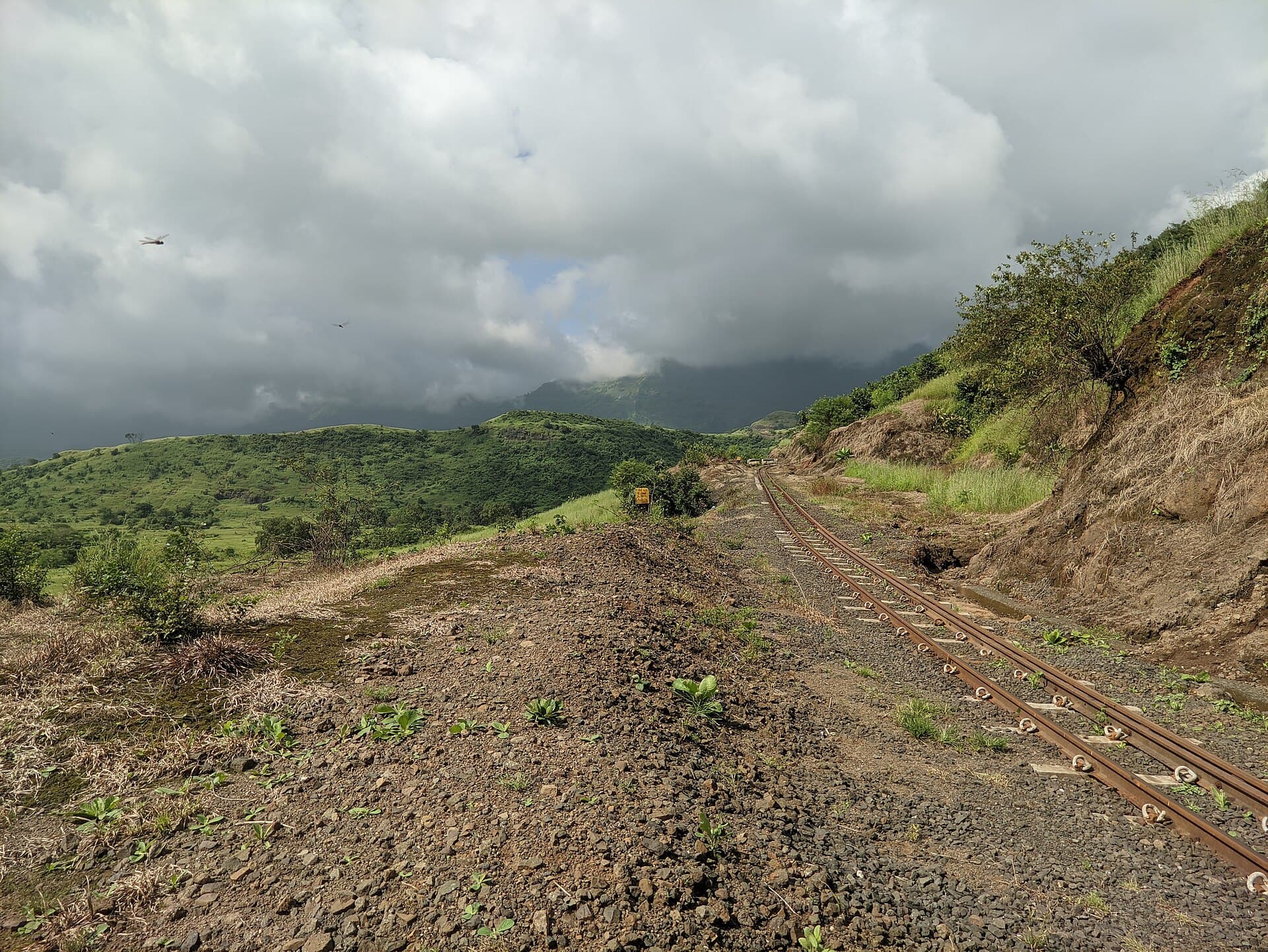
A pivotal development in Matheran's history was the construction of the Matheran Hill Railway. Built in 1907 by Sir Adamjee Peerbhoy, this narrow-gauge railway spans 20 km, winding through dense forests. The railway, also known as the Matheran Light Railway, was built to make the hill station more accessible. While it has been inspected by UNESCO officials, it has not yet been listed as a World Heritage Site, unlike some other Indian hill railways.
In 2003, the Ministry of Environment, Forest and Climate Change declared Matheran an Eco-Sensitive Zone (ESZ). This declaration has been instrumental in preserving its natural beauty and diverse biodiversity by restricting developmental activities and hazardous industries. The car-free policy, a defining characteristic of Matheran, was implemented to maintain its pollution-free environment. Today, Matheran continues to be cherished for its commitment to conservation and its unique blend of natural splendor and colonial heritage.
Matheran offers numerous viewpoints, each providing a unique perspective of the surrounding Sahyadri mountains and valleys. Panorama Point is known for its unparalleled sunrise views and a 360-degree vista of the hills and distant towns. Louisa Point offers expansive views of Prabal Fort, Vishalgad Fort, and cascading waterfalls, especially lively during monsoon. For a natural acoustic phenomenon, Echo Point allows visitors to hear their voices resonate back from the hills.
Charlotte Lake, a tranquil man-made reservoir, serves as Matheran's primary water source and is a picturesque spot for picnics and birdwatching. Nearby, the ancient Pisarnath Temple attracts devotees. One Tree Hill Point is a singular natural attraction, named for the single tree standing atop the hill, and is a popular trekking destination. Other notable viewpoints include Alexander Point, Monkey Point, Porcupine Point (also known as Sunset Point), and Lord Point, all offering distinct scenic beauty. Exploring these points on foot or horseback along the red mud trails is a quintessential Matheran experience.
Matheran is a year-round destination, with each season offering a distinct allure. The cooler months from October to May are generally considered the best time to visit, with pleasant weather ideal for outdoor activities and sightseeing. Winters (October to February) offer cool and comfortable days and chilly nights, perfect for trekking and nature walks. Summers (March to May) provide a refreshing escape from the heat of the plains, with comfortable temperatures.
The monsoon season (June to September) transforms Matheran into a verdant paradise with mist-covered valleys and active waterfalls, appealing to nature lovers and those seeking solitude. While beautiful, heavy rainfall can lead to slippery paths and potential disruptions in toy train services.
Matheran is easily accessible, with Neral Junction being the nearest major railway station. From Neral, you can take the famous Matheran Toy Train, which offers scenic views, or a shared taxi to Dasturi Point. As Matheran is Asia's only automobile-free hill station, private vehicles are not allowed beyond Dasturi Naka. From Dasturi Point, you can enter Matheran on foot (a walk of about 2.5-3 km), by horse, or by e-rickshaw.
Within Matheran, the primary modes of transport are walking, horse riding, and hand-pulled rickshaws. Horse riding is a popular way to explore the various viewpoints and trails. It's advisable to wear comfortable walking shoes, carry light rainwear during monsoon, and bring cash as ATMs can be scarce and not all shops accept cards. Respecting the eco-sensitive rules, such as avoiding littering, is crucial for preserving Matheran's natural beauty.