The Marathon Dam
This monumental structure, built to quench Athens' thirst, holds a surprising secret in its very stones.
Full story unlocks in the tour
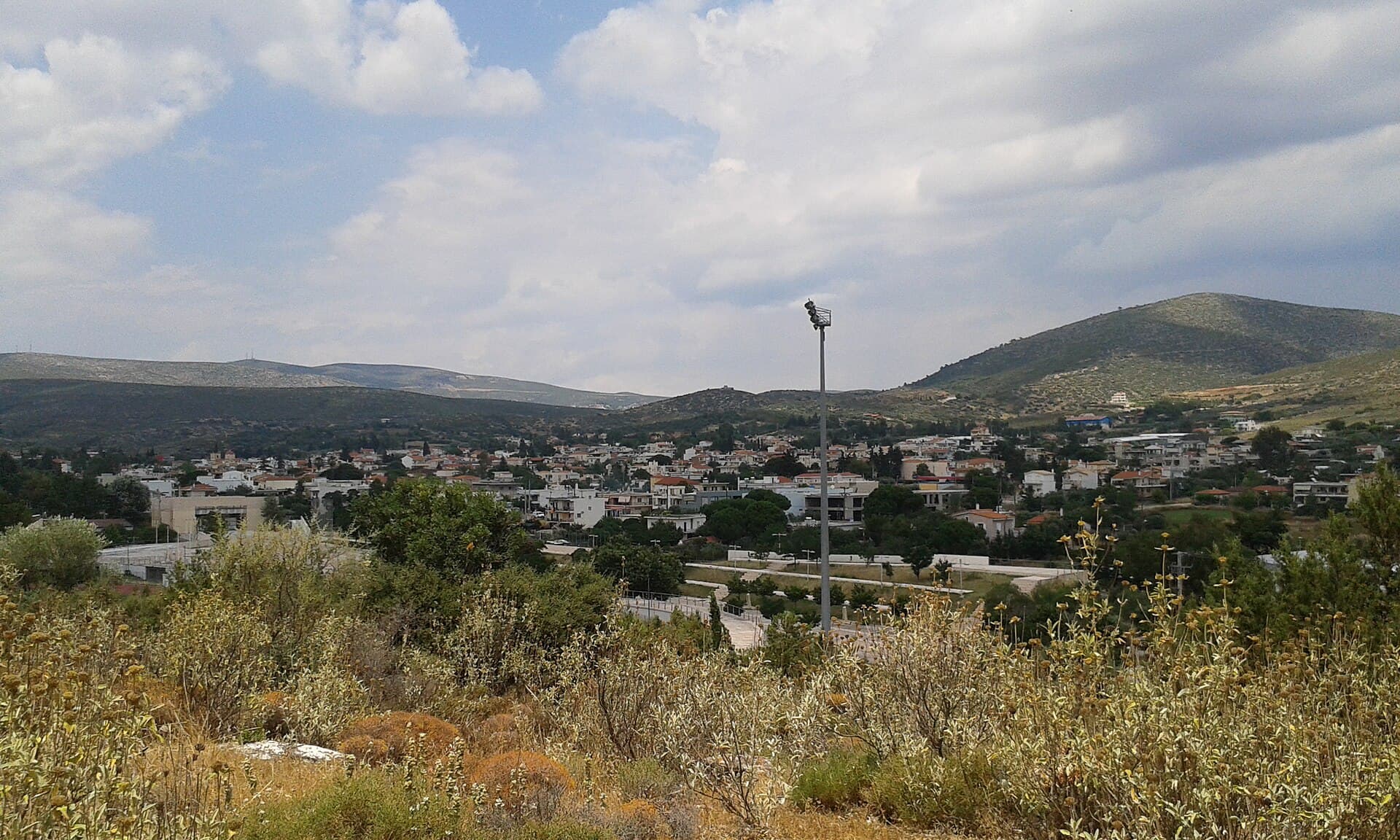 Kostasvic / CC BY-SA 4.0, via Wikimedia Commons
“Where ancient echoes meet the modern stride.”
Not the postcards. The stories even locals don't know — whispered in your ear, right where they happened.
This monumental structure, built to quench Athens' thirst, holds a surprising secret in its very stones.
The iconic distance of 26 miles, 385 yards wasn't chosen randomly; a royal request played a part in its precise measurement.
The Athenian warriors who fell in the legendary battle were buried in an unusual way for their time, departing from tradition.
Discover every secret of Marathon
Every address, every reveal in full — in your ear, right where it happened.
You pick your stops. You walk. The voice reveals what the others miss.
No tours available yet. Check back soon — we're preparing them.
Marathon, a town in Greece, carries a name that resonates globally, synonymous with endurance and triumph. Situated in the northeastern part of ancient Attica, approximately 40 kilometers (25 miles) from Athens, Marathon is a place where history feels palpable. It is most famously known as the site of the pivotal Battle of Marathon in 490 BCE, a conflict that profoundly shaped Western civilization.
Beyond its legendary battlefield, Marathon offers a blend of historical sites, natural beauty, and a tangible connection to the origins of one of the world's most iconic sporting events. From ancient burial mounds to a serene artificial lake, the area invites exploration and reflection on the enduring human spirit.
The story of Marathon is inextricably linked to the Greco-Persian Wars. In 490 BCE, the plain of Marathon became the stage for a monumental clash between the vastly outnumbered Athenian army, aided by Plataea, and the invading Persian forces under King Darius I. The Athenians, despite being outnumbered, inflicted a crushing defeat on the Persians, a victory that proved the Persians were not invincible and that resistance was possible.
This victory at Marathon was a watershed moment for the young Athenian democracy, demonstrating what could be achieved through unity and self-belief. Historians consider it one of the most important battles in the ancient world, believing that a Persian victory could have drastically altered the development of Western civilization. The battle effectively marked the beginning of a 'golden age' for Athens.
The modern marathon race finds its origins in the legendary feat of a Greek herald named Pheidippides. According to the widely accepted legend, after the Athenian victory, Pheidippides ran approximately 40 kilometers (25 miles) from the battlefield of Marathon to Athens to announce the news of Nike ('Victory') before collapsing and dying from exhaustion. While the historical accuracy of this specific run is debated—some accounts suggest Pheidippides ran from Athens to Sparta for aid before the battle—the story undeniably inspired the creation of the marathon event at the first modern Olympic Games in Athens in 1896.
In more recent history, Marathon saw the construction of the Marathon Dam between 1926 and 1929. This significant engineering project created the artificial Lake Marathon, which served as the primary water supply for Athens from 1931 until 1959. Today, Marathon continues to honor its past, with the annual Athens Authentic Marathon starting at the ancient battlefield, allowing runners to retrace the legendary route to Athens.
Begin your exploration at the Tumulus of the Athenians (Soros), a burial mound that serves as the final resting place for the 192 Athenian soldiers who perished in the Battle of Marathon. Nearby, you'll also find the smaller Plataean Tumulus, housing the remains of their allies. These sites offer a solemn reminder of the historic conflict.
For a deeper dive into the region's past, the Archaeological Museum of Marathon showcases artifacts spanning from the Neolithic period to the Roman era, including findings from the battle and the nearby Sanctuary of the Egyptian Gods. Do not overlook the Marathon Run Museum, which chronicles the history of the iconic race, displaying medals, Olympic posters, and personal items of notable athletes, including Spyridon Louis, the first Olympic Marathon winner.
Nature lovers can visit Lake Marathon, an artificial lake created by the Marathon Dam. The dam itself is an impressive sight, uniquely clad in Pentelic marble. The area around the lake offers scenic views and opportunities for quiet contemplation. For those seeking coastal beauty, Schinias Beach and National Park provides golden sands, clear waters, and a lush pine forest, ideal for swimming, sunbathing, and walking.
The most favorable times to visit Marathon are during the spring (April to June) and autumn (September to October). These seasons offer pleasant temperatures, ideal for exploring archaeological sites and enjoying outdoor activities without the intense heat of summer. For those interested in the famous race, the Athens Authentic Marathon takes place annually on the second Sunday of November.
Marathon is easily accessible from Athens, located approximately an hour's drive away. You can reach it by car, often via the Attiki Odos highway, or by taking an intercity bus (KTEL Attikis) from Athens. While many sites are within a reasonable distance of each other, having a car provides the most flexibility for exploring the wider area, including Lake Marathon and Schinias Beach. Alternatively, private tours are available that cover the main historical attractions. Most museums and archaeological sites have entrance fees, so it's advisable to check current prices and operating hours before your visit. Consider comfortable walking shoes, especially when exploring the battlefield and archaeological areas.