Smithfield Market
Before becoming a lively meat market, this London site saw a rather fiery form of justice.
Full story unlocks in the tour
 Ilya Grigorik / CC BY-SA 3.0, via Wikimedia Commons
“London's true spirit lives in its quiet corners and untold tales, far beyond the familiar.”
Not the postcards. The stories even locals don't know — whispered in your ear, right where they happened.
Before becoming a lively meat market, this London site saw a rather fiery form of justice.
Beneath a contemporary art gallery rests a forgotten arena where gladiators once met in combat.
This serene garden commemorates ordinary individuals who died saving others, often with remarkable courage.
Discover every secret of London
Every address, every reveal in full — in your ear, right where it happened.
You pick your stops. You walk. The voice reveals what the others miss.
No tours available yet. Check back soon — we're preparing them.
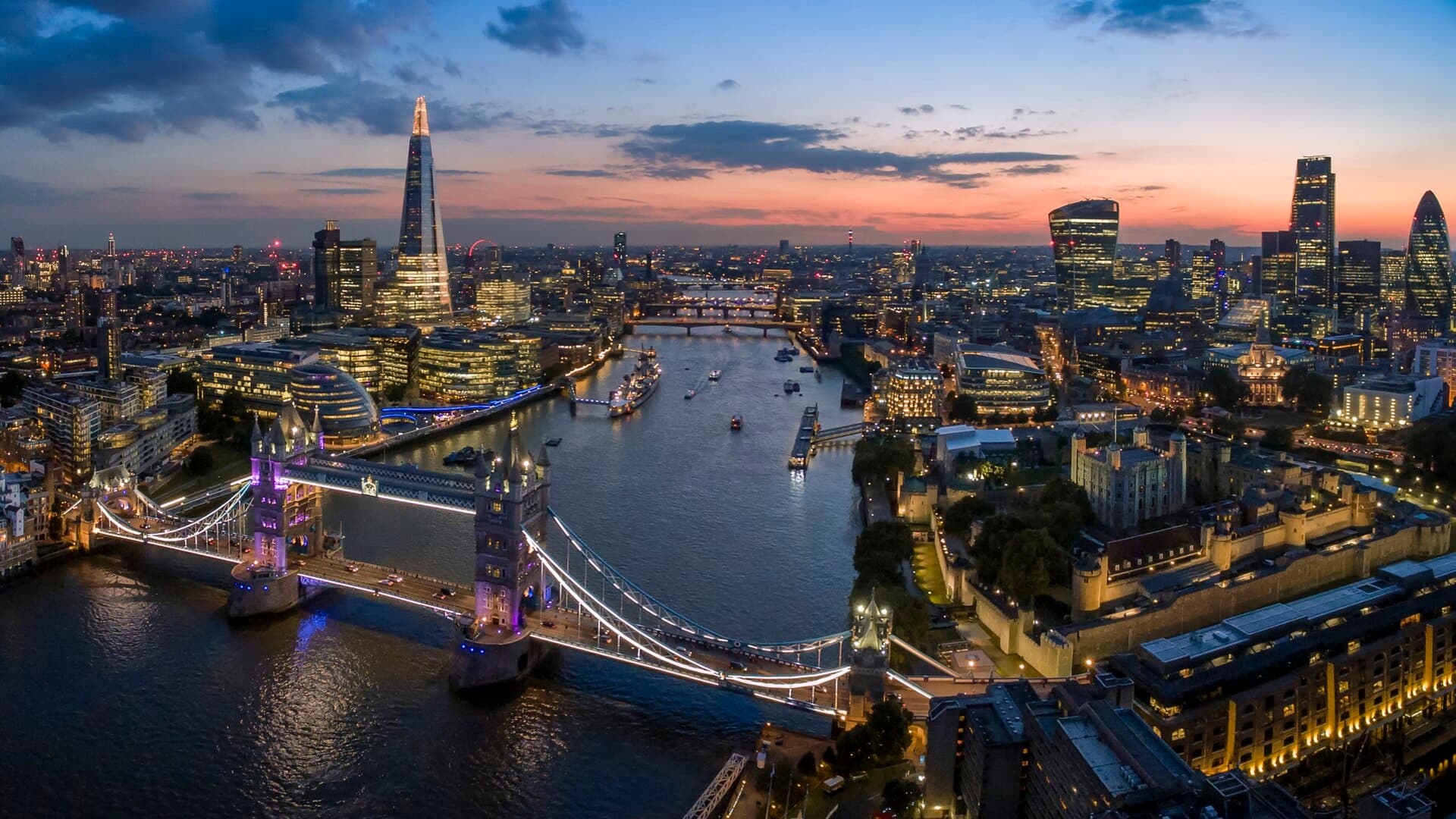
London unfurls itself not just in grand monuments but in the subtle nuances of its districts, each with a distinct character. From the ancient echoes in the City of London to the artistic pulse of Shoreditch, the city invites exploration beyond the well-trodden paths. It is a place of constant reinvention, where centuries of history stand alongside cutting-edge modernity, creating a unique urban texture.
Take time to wander through its less-traveled lanes, discover the independent shops of Notting Hill, or find a quiet moment by the Thames in Rotherhithe. The city reveals its true character in these intimate encounters, offering a deeper understanding of its enduring charm. London is a city to be experienced, not just observed, allowing its many layers to unfold with each step.
London's story began with the Romans, who established Londinium around 43 AD. This settlement quickly grew into a crucial trading port, its strategic position on the River Thames proving invaluable. After the Roman withdrawal in the 5th century, the area saw a period of decline, followed by the emergence of Anglo-Saxon Lundenwic, a settlement slightly to the west of the original Roman site.
The Norman Conquest of 1066 profoundly reshaped London. William the Conqueror established the Tower of London, a formidable fortress that symbolized Norman power and control. Throughout the medieval period, London grew in importance as a center of commerce and governance, with the construction of Westminster Abbey and the Palace of Westminster solidifying its role as the seat of English power.
The 17th century brought immense challenges. The Great Plague of 1665 devastated the population, followed swiftly by the Great Fire of London in 1666, which consumed much of the medieval city. This catastrophic event, however, provided an opportunity for radical urban planning and reconstruction. Sir Christopher Wren's ambitious designs, including St Paul's Cathedral, redefined the city's skyline and laid the groundwork for its future development.
The 18th and 19th centuries saw London expand dramatically as the heart of a vast empire. Industrialization brought immense wealth but also social challenges, leading to significant infrastructure projects like the expansion of the docklands and the construction of the underground railway system. The Victorian era left an indelible mark on the city's architecture and social fabric.
The 20th century presented new trials, including the Blitz during World War II, which again necessitated extensive rebuilding. Post-war London transformed into a multicultural global city, embracing diverse influences and becoming a leading center for finance, culture, and innovation. Today, London continues to evolve, a dynamic metropolis that respectfully carries its long past into a forward-looking future.
Explore the historic market halls of Borough Market, a place where food has been traded for centuries. Wander through the Sir John Soane's Museum, a fascinating house museum filled with antiquities, art, and architectural models, preserved exactly as the eccentric architect left it. Discover the Churchill War Rooms, the underground bunker that served as the British government's command center during World War II.
Take a walk through Richmond Park, a vast green space offering deer sightings and panoramic views of the city. Visit the Tate Modern for contemporary art within a converted power station on the South Bank. For a deeper dive into London's past, explore the Museum of London Docklands, housed in a 19th-century warehouse, detailing the history of the Thames and London's port.
Spring (April-May) and autumn (September-October) offer pleasant weather for exploration, with fewer crowds than the peak summer months. The city's parks are particularly beautiful in spring, and the cultural calendar remains full in autumn. Winter brings festive markets and a cozy atmosphere, though temperatures are cooler.
London's public transport network, including the Underground (Tube), buses, and DLR, is extensive and efficient. Consider purchasing an Oyster card or using contactless payment for ease of travel. Taxis and ride-sharing services are also readily available. English is the official language, and the currency is the British Pound (GBP). Electrical outlets are Type G, requiring a three-pin plug. Tipping is customary in restaurants (10-15%) and for good service.