Krk Cathedral
The Krk Cathedral, a prominent landmark, holds a secret beneath its ancient stones, connecting it to a much older, more indulgent past.
Full story unlocks in the tour
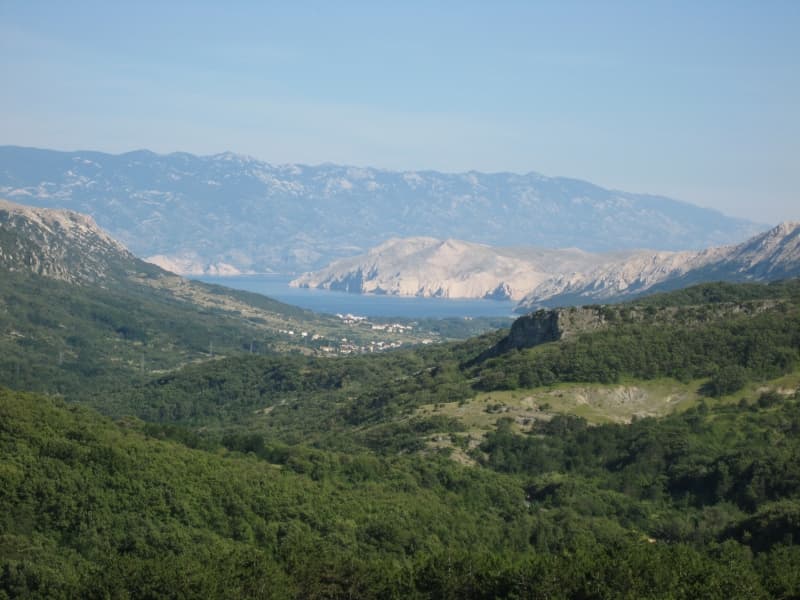 Roberta F. / CC BY-SA 3.0, via Wikimedia Commons
“Where ancient stones recount stories and the Adriatic whispers its long-held secrets.”
Not the postcards. The stories even locals don't know — whispered in your ear, right where they happened.
The Krk Cathedral, a prominent landmark, holds a secret beneath its ancient stones, connecting it to a much older, more indulgent past.
The oldest part of Krk's formidable Frankopan Castle, a square tower, was not originally constructed for defense, but for a different, more sacred purpose.
Among Krk's many beautiful beaches, Vela Javna near Vrbnik offers a unique sense of seclusion, largely due to its approach.
Discover every secret of Krk
Every address, every reveal in full — in your ear, right where it happened.
You pick your stops. You walk. The voice reveals what the others miss.
No tours available yet. Check back soon — we're preparing them.
Krk, an island in Croatia's northern Adriatic, presents a captivating blend of ancient history and natural splendor. Known as the “golden island” since antiquity, it stands as one of the largest and most populous islands in the Adriatic. Connected to the mainland by a bridge, Krk is readily accessible, making it a favored destination for those seeking a mix of cultural exploration and coastal relaxation. The island’s diverse landscapes range from lush Mediterranean vegetation in the central and western parts to the more austere, stony eastern regions.
The main town, also named Krk, is a medieval settlement where a rich heritage is evident in its ancient walls and historic architecture. Beyond the town, Krk offers a variety of experiences, from exploring charming villages clinging to cliffsides to discovering secluded bays with crystal-clear waters. Its mild Mediterranean climate ensures pleasant temperatures for much of the year, inviting visitors to explore its many facets.
Krk's story stretches back to the Neolithic period, with archaeological findings indicating continuous human habitation. Around 1000 BCE, the Illyrians settled on the island, followed by the Greeks, who referred to it as “Kourikon.” The island came under Roman rule in the 3rd century BCE, a period that saw the construction of towns, roads, and villas. The town of Krk, then known as Curicum, became a significant urban center with Roman defensive walls that were among the most secure in the Eastern Adriatic. An inscription from the 1st century BCE even mentions the restoration of these prehistoric walls.
After the fall of the Roman Empire, Krk became part of the Byzantine Empire before the arrival of the Croats in the 7th century. The island's destiny is often linked to the number seven, with local legends stating it was inhabited by Croats in the 7th century and survived seven pirate attacks. From the 12th to the 17th century, the powerful Frankopan family governed Krk, leaving an indelible mark on its architecture and social life. They fortified the island, constructing defensive structures like the Frankopan Castle, which was built between the 12th and 15th centuries. Venice competed for control of the island, eventually ruling it until 1797.
Following Venetian rule, Krk passed to Austria, then became part of the Kingdom of Serbs, Croats, and Slovenes, and later Yugoslavia. During World War II, it was a site of intense fighting. Since 1991, Krk has been an integral part of independent Croatia. The island is also notable for its connection to Glagolitic script, one of the old Slav alphabets, with the Baška Tablet, discovered around 1100, being a cornerstone of Croatian literary development. Today, Krk continues to celebrate its profound cultural heritage through its well-preserved historical sites and lively local traditions.
The town of Krk is a natural starting point, with its nearly intact city walls, the third largest in Croatia after Ston and Dubrovnik. Wander through the narrow, stone-paved streets to discover boutique shops and art galleries. The Frankopan Castle, a medieval fortress built between the 12th and 15th centuries, offers insights into the island's powerful noble family and views of the town and harbor. Adjacent to the castle is the Krk Cathedral, an ancient, three-aisled stone building with Romanesque, Gothic, and Baroque elements, built on the foundations of Roman thermal baths.
Beyond Krk town, explore the picturesque village of Vrbnik, situated on a cliff, celebrated for its vineyards and the local Žlahtina white wine. For a unique experience, try to navigate Klančić, often cited as one of the narrowest streets in the world. The small island of Košljun, accessible by taxi boat from Punat, is home to a Franciscan monastery with a profound religious treasury. Those who appreciate nature can visit the Biserujka Cave, known for its stalagmites and stalactites, or seek out the many beautiful beaches, from the expansive pebble beach of Vela Plaža in Baška to private coves like Golden Beach, accessible only by sea.
Krk enjoys a Mediterranean climate with around 2,500 hours of sunshine annually. Late spring (May and early June) and early autumn (September) are often considered the most favorable times to visit. During these periods, temperatures are pleasant, crowds are thinner, and prices for accommodation and services are more agreeable. The sea remains warm enough for swimming well into September. Summer (June to August) is peak season, offering lively events and the warmest sea temperatures, but with more tourists and potential for higher prices.
Krk is easily accessible by car via a bridge connecting it to the mainland, with no toll since 2020. Rijeka Airport is also located on the island. While the town of Krk itself is somewhat connected by bus lines, renting a car or an electric bike is recommended for exploring the island's diverse landscapes and attractions. Taxis are also available.
Croatia's currency is the Euro. Credit cards are widely accepted, but it's advisable to have some cash for smaller purchases. The island is generally safe, though it's always wise to be aware of your surroundings, especially in crowded tourist areas.