Kishiwada Castle
The castle's original five-story keep was lost to a force of nature.
Full story unlocks in the tour
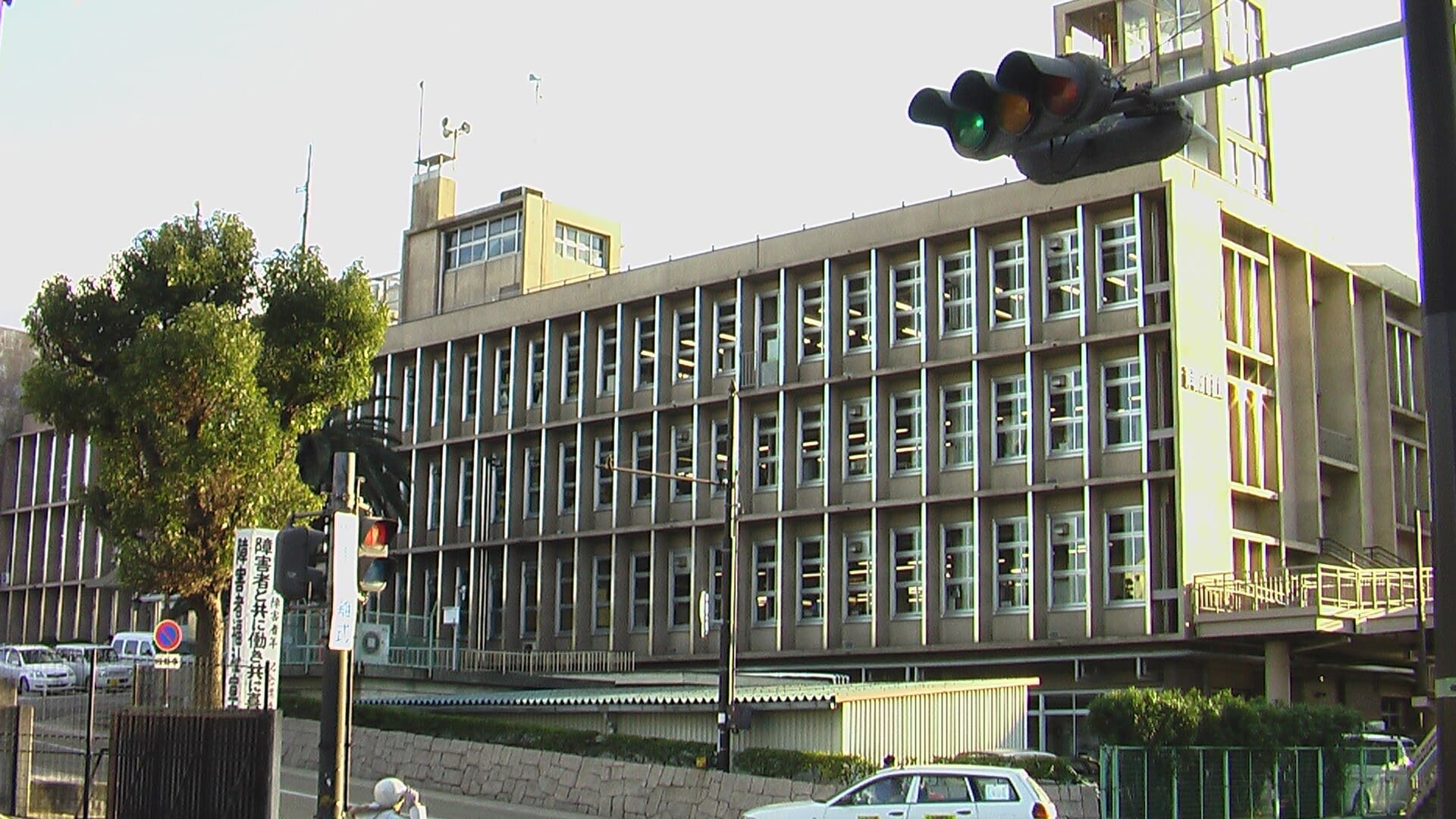 ja:user:阪神強いな / CC BY-SA 3.0, via Wikimedia Commons
“Where ancient traditions race through modern streets.”
Not the postcards. The stories even locals don't know — whispered in your ear, right where they happened.
The castle's original five-story keep was lost to a force of nature.
Children in Kishiwada learn a unique skill even before they learn common sports.
This tranquil garden at Kishiwada Castle holds a surprising military strategy within its design.
Discover every secret of Kishiwada
Every address, every reveal in full — in your ear, right where it happened.
You pick your stops. You walk. The voice reveals what the others miss.
No tours available yet. Check back soon — we're preparing them.
Kishiwada, a city in Osaka Prefecture, offers a compelling blend of historical depth and cultural energy. With a population exceeding 200,000, it sits strategically between the bustling heart of Osaka and the serene expanse of Osaka Bay, backed by the Izumi Mountains. The city is easily accessible, making it a convenient day trip from central Osaka or Kansai International Airport.
While Kishiwada is perhaps best known for its electrifying Danjiri Matsuri, a festival with a 300-year history, there is more to discover beyond the thundering floats. From a historic castle with an unusual garden to traditional shopping arcades and a culinary landscape, Kishiwada invites visitors to delve into an authentic Japanese experience.
The area now known as Kishiwada has roots stretching back to ancient times, with numerous kofun burial mounds indicating early settlement. The name "Kishiwada" itself is believed to have originated in the 14th century, derived from "Kishi-no-Wada" or "Shore of Wada," after Wada Takaie, a general, established a fortification in a place called "Kishi" around 1334. This early fortification laid the groundwork for what would become Kishiwada Castle.
Kishiwada's strategic location, roughly halfway between Osaka and Wakayama and near the port of Sakai, was crucial to its development. During the Sengoku period, the settlement evolved into a significant castle town. In 1585, following Hashiba Hideyoshi's campaigns, his uncle Koide Hidemasa became the lord of Kishiwada Castle and undertook extensive renovations, including the construction of a five-story main tower. The castle served as a vital southern defense for Osaka Castle during the Edo period.
From 1640 until the Meiji Restoration, the Okabe clan governed Kishiwada for 13 generations, providing political and economic stability that fostered the region's growth. It was under the Okabe clan that the city's most iconic event, the Danjiri Matsuri, began in 1703. The festival, initially an Inari Matsuri to pray for an abundant harvest, saw the castle gates opened to the populace, further cementing the bond between the castle and the community. While the original castle tower was destroyed by lightning in 1827, and other structures were dismantled during the Meiji Restoration, the moats and stone walls remain as a testament to its long history, with a three-story keep reconstructed in 1954.
Kishiwada offers a blend of historical sites and local life. The most prominent landmark is Kishiwada Castle, a rebuilt three-story keep from 1954 that houses exhibits on the castle's history and offers expansive views of the city and Osaka Bay from its top floor. In front of the castle tower lies the Hachijin no Niwa, a meticulously designed garden recognized as a National Place of Scenic Beauty.
To immerse yourself in the city's most famous tradition, visit the Kishiwada Danjiri Kaikan (Danjiri Museum). This museum provides an interactive experience of the Danjiri Matsuri year-round, featuring actual danjiri floats, 3D videos, and opportunities to try festival instruments. For a taste of local charm, explore the Kishiwada Ekimae Shopping Street, a covered arcade with about 60 diverse shops, from traditional craft stores to eateries, offering a glimpse into daily life and a nostalgic Showa-era atmosphere. Additionally, Gofuso, a former merchant residence, features an exquisite Japanese garden and offers traditional cuisine.
Kishiwada experiences a humid subtropical climate with four distinct seasons. Spring (March to May) and autumn (September to November) offer moderate temperatures, making them pleasant for sightseeing. The city is particularly popular in September for the main Kishiwada Danjiri Matsuri, which draws large crowds. While summers (June to August) are warm and humid with frequent rain, and winters (December to February) are cool and drier, each season offers a different aspect of the city's appeal.
Kishiwada is conveniently located in Osaka Prefecture. From Kansai International Airport, you can reach Kishiwada Station in about 8 minutes by Airport Express. From Osaka's Namba area, the Airport Express takes approximately 26 minutes to Kishiwada Station. The Nankai Main Line is a primary rail link to the city. Many attractions, including Kishiwada Castle and the Danjiri Kaikan, are within walking distance of Kishiwada Station, or accessible via local bus services like the Nankai Wing Bus. Consider a Kansai Railway Pass or Nankai All Line 2 Day Pass for cost-effective travel. The local currency is the Japanese Yen.