Uparkot Fort
This ancient fortification, tracing its origins to the Mauryan dynasty, lay lost to the jungle's embrace for centuries.
Full story unlocks in the tour
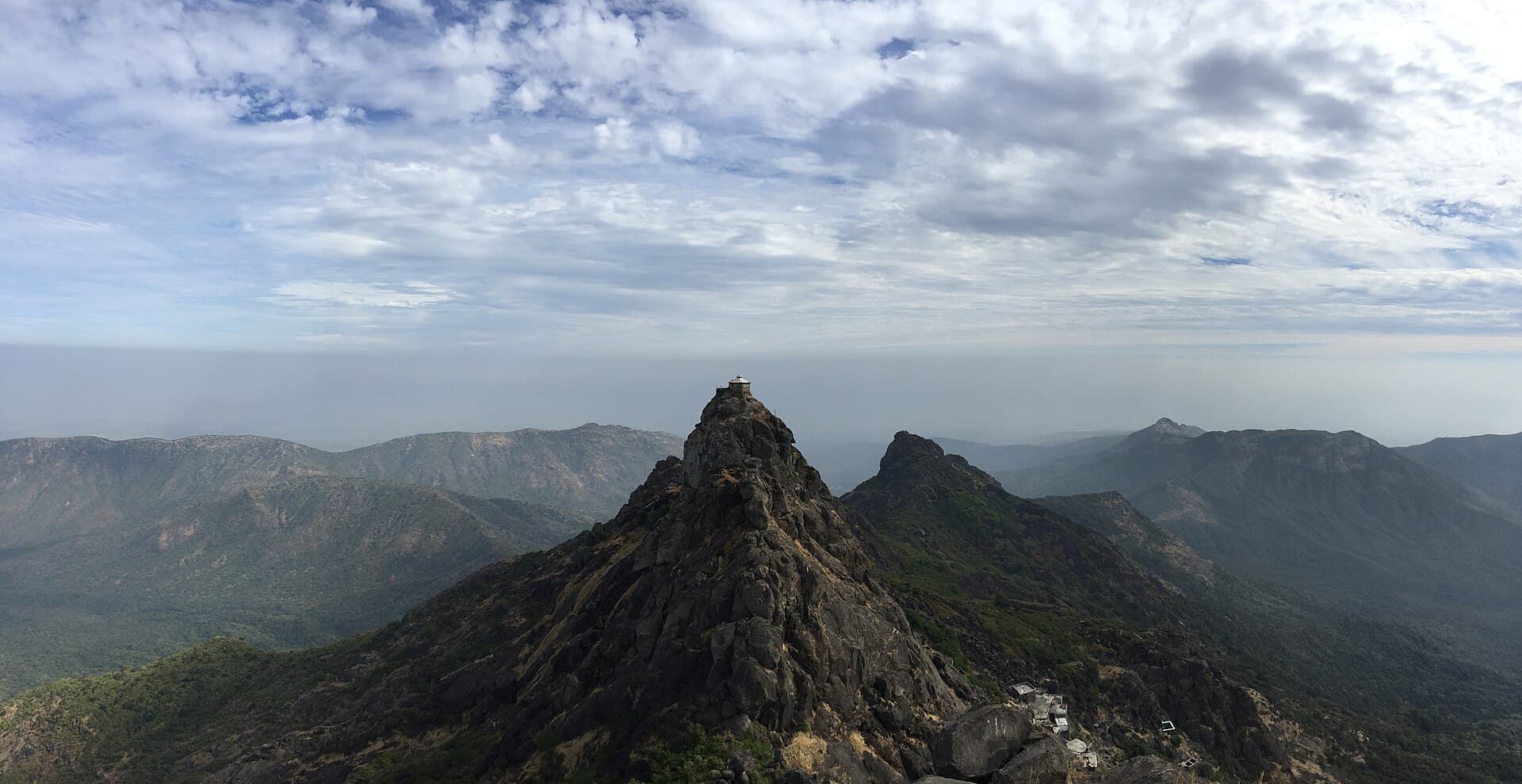 Sachinvenga / CC BY-SA 4.0, via Wikimedia Commons
“Where ancient stones recount sagas and spiraling spires greet the sky.”
Not the postcards. The stories even locals don't know — whispered in your ear, right where they happened.
This ancient fortification, tracing its origins to the Mauryan dynasty, lay lost to the jungle's embrace for centuries.
The tomb of a Nawab's minister displays an architectural element so singular, it stands unparalleled across India.
This stepwell, meticulously carved from solid rock, carries a name rooted in a somber tale.
Discover every secret of Junagadh
Every address, every reveal in full — in your ear, right where it happened.
You pick your stops. You walk. The voice reveals what the others miss.
No tours available yet. Check back soon — we're preparing them.
Junagadh, a city at the base of the Girnar hills in Gujarat, India, offers passage through millennia of time. Its designation, signifying 'Old Fort,' directly references the venerable Uparkot Fort, a testament to its enduring past. This city, once a princely domain, displays a compelling fusion of architectural styles—from ancient Buddhist caverns to intricate Indo-Islamic mausoleums—reflecting the diverse dynasties that have sculpted its identity.
Beyond its historical monuments, Junagadh functions as a portal to natural splendors, most notably the Gir National Park, the ultimate sanctuary for the Asiatic lion. The city's cultural fabric is interwoven with traditional folk melodies, devotional bhajans, and lively celebrations, offering insight into the deep heritage of the Saurashtra region. Junagadh presents a distinct amalgamation of history, culture, and wildlife, rendering it a compelling destination for those seeking an immersive encounter in Gujarat.
Junagadh's documented past spans over two millennia, with its beginnings traceable to the Mauryan Empire around 319 BCE. Emperor Chandragupta Maurya is credited with establishing the Uparkot Fort, the city's ancient stronghold. His grandson, Emperor Ashoka, further underscored the region's spiritual and political significance by inscribing fourteen edicts on a substantial boulder near the fort, dating back to 250 BCE.
Following the Mauryans, Junagadh witnessed the dominion of various dynasties, including the Kshatrapas, Maitrakas, and Chalukyas. The Chudasama dynasty, governing between the 10th and 15th centuries, significantly fortified the Uparkot Fort. However, this period of Hindu governance concluded abruptly in 1472 when the Gujarat Sultan Mahmud Begada besieged and conquered the citadel, introducing Islamic architectural influences.
After two centuries under Mughal authority, Junagadh declared its autonomy in 1730 under Sher Khan Babi, who established the Babi dynasty of Nawabs. For the subsequent two centuries, the Nawabs governed Junagadh, initially as tributaries to the Marathas and later under British authority, becoming a British protectorate in 1807. The city's present old town, developed during the 19th and 20th centuries, reflects this era.
The partition of India in 1947 brought a political contention when the last Nawab, Mahabat Khan III, opted to accede to Pakistan, despite Junagadh's predominantly Hindu populace and its geographical placement within India. Amidst public unrest and governmental pressure, the Nawab departed for Pakistan, and after a plebiscite in 1948, Junagadh was incorporated into the Indian Union. Pakistan, however, maintains a territorial claim on Junagadh to this day.
Commence your exploration at the Uparkot Fort, an ancient citadel dating back to 319 BCE. Within its formidable walls, discover the Adi Kadi Vav and Navghan Kuvo, two distinctive stepwells carved directly from rock, alongside ancient Buddhist caverns. The fort also contains the Jama Masjid and displays impressive cannons like Manek and Neelam. Just beyond the fort, encounter the Ashokan Rock Edicts, fourteen inscriptions from 250 BCE on a large boulder.
Journey to the Mahabat Maqbara complex, a striking example of Indo-Islamic, Gothic, and European architectural synthesis. This intricate mausoleum, along with the adjacent Bahauddin Maqbara, features elaborate carvings, French-style windows, and minarets with spiraling staircases. For a spiritual encounter, ascend Girnar Hill, a sacred pilgrimage destination for Hindus and Jains, dotted with ancient temples and shrines, offering expansive vistas of the surrounding terrain. Other notable locations include the Darbar Hall Museum, exhibiting the Nawabs' artifacts, and the Sakkarbaug Zoological Garden, one of India's oldest zoos and a conservation center for Asiatic lions.
The optimal period to visit Junagadh is during the cooler months, from October to March. During this interval, the climate is temperate and agreeable, with temperatures typically ranging between 15-30 degrees Celsius, making it ideal for sightseeing and outdoor pursuits. This season also coincides with significant celebrations like Navratri and the Bhavnath Fair, enriching the cultural experience. Summers, from April to June, are exceedingly hot, with temperatures exceeding 40 degrees Celsius, and are generally best avoided for travel. The monsoon season, from July to September, brings moderate to heavy rainfall, which can sometimes affect travel plans, though the abundant greenery offers a distinct allure.
Junagadh is well-connected by roadways, rail, and air. The closest airports are Rajkot Airport (approximately 100-106 km distant), and Keshod Airport (about 40 km distant). Ahmedabad International Airport is another alternative, roughly 328-330 km away. From these airports, you can arrange a taxi or board a bus to reach Junagadh.
The Junagadh Junction railway station is a significant hub on the Western Railway network, with direct trains from cities like Mumbai and Pune, and connecting trains from Ahmedabad and Vadodara. A robust network of state and national highways links Junagadh to major cities in Gujarat and other states, with frequent bus services available. Once in Junagadh, local buses, auto-rickshaws, and private cabs are readily accessible for navigating the city.