Mississippi Coliseum
Beneath the roar of rodeo crowds and concertgoers lies a secret that dates back millions of years.
Full story unlocks in the tour
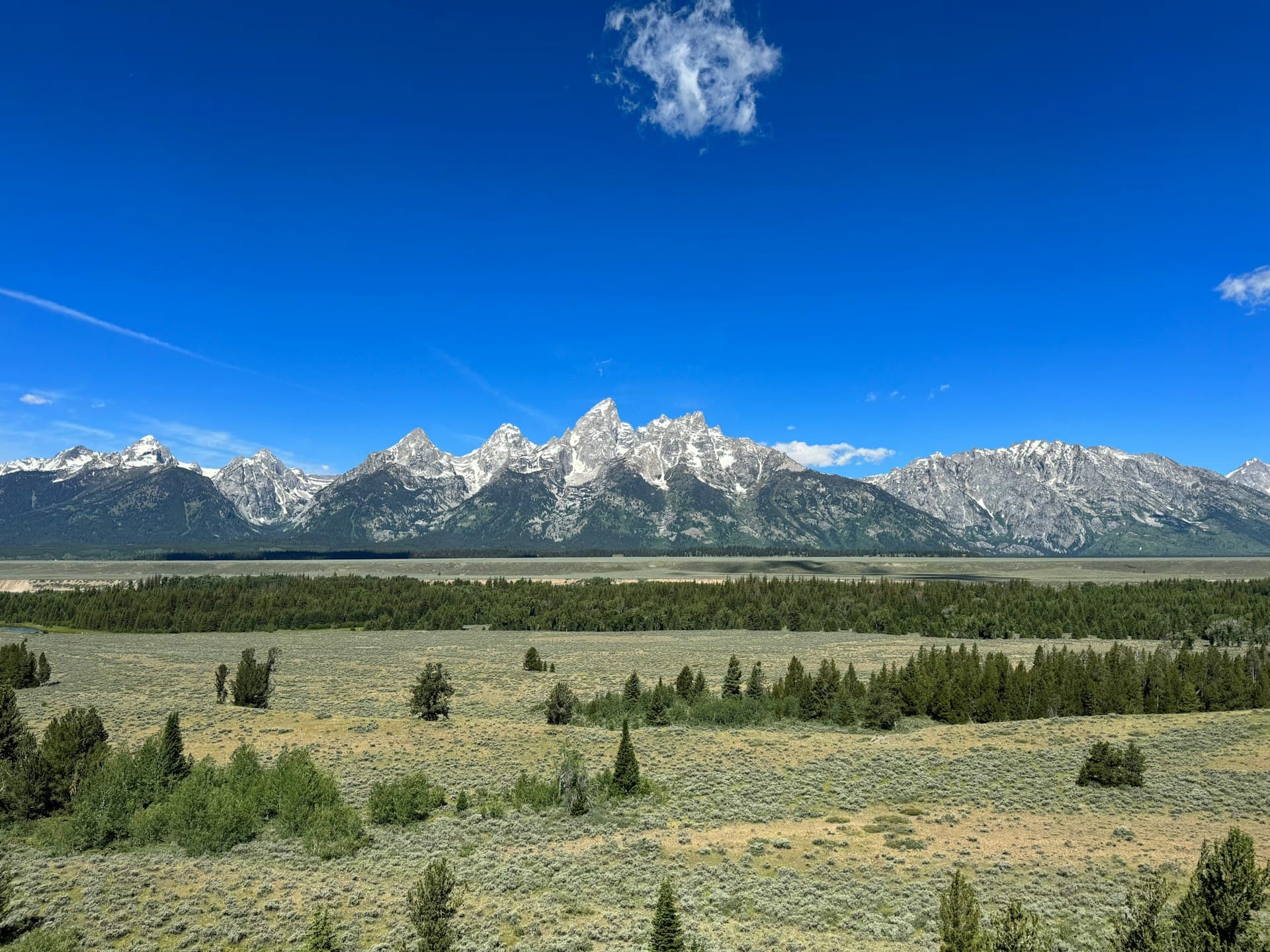 Photo: Glenn M Horgan / Unsplash
“Where history echoes, and soul music finds its rhythm.”
Not the postcards. The stories even locals don't know — whispered in your ear, right where they happened.
Beneath the roar of rodeo crowds and concertgoers lies a secret that dates back millions of years.
Look closely at the naval figurehead on the north side of the Mississippi State Capitol building, and you'll find a piece of history that sailed the high seas.
Do not let the unassuming exterior of this seafood spot fool you; it is a local institution with a unique approach to dining.
Discover every secret of Jackson
Every address, every reveal in full — in your ear, right where it happened.
You pick your stops. You walk. The voice reveals what the others miss.
No tours available yet. Check back soon — we're preparing them.
Jackson, Mississippi, often called "The City with Soul," is a central place where Southern hospitality, profound history, and a musical legacy converge. Situated on the Pearl River in the west-central part of the state, Jackson serves as Mississippi's capital and most populous city. It is a place where the echoes of the Civil War and the Civil Rights Movement resonate through historic landmarks and museums, while a thriving arts scene and a deep connection to blues, gospel, folk, and jazz music keep its spirit alive.
From its origins as a trading post known as LeFleur's Bluff, Jackson has evolved into a dynamic urban center, connecting travelers to the heart of the American South. The city's blend of historical significance, cultural diversity, and modern energy offers meaningful experiences around every corner, whether you are exploring world-class museums, enjoying live performances, or savoring authentic Southern cuisine.
The area now known as Jackson was originally a trading post called LeFleur's Bluff, established by French-Canadian trader Louis LeFleur in the late 1700s. In 1821, Mississippi legislators, seeking a more centrally located state capital than Natchez, chose LeFleur's Bluff due to its excellent soil, timber supply, and proximity to the Pearl River. The city was formally planned in 1822 by Peter Aaron Van Dorn, following Thomas Jefferson's "checkerboard" pattern of alternating city blocks with parks. It was named in honor of General Andrew Jackson, a hero of the War of 1812 and later the seventh U.S. President.
Jackson's early economy was rooted in agriculture, particularly cotton, and it quickly became a political hub. However, its strategic location also made it a target during the American Civil War. In 1863, Union forces under General William Tecumseh Sherman captured Jackson twice during the Vicksburg Campaign. The city's factories and warehouses, vital to the Confederacy, were burned, leaving behind only brick chimneys. This devastation earned Jackson the poignant nickname "Chimneyville."
After the Civil War, Jackson's recovery was slow, hampered by a corrupt city government during Reconstruction. However, the arrival of new railroads in the 1880s spurred growth, and a natural gas boom in the 1920s and 30s further stimulated industrial development, leading Jackson to surpass Meridian as the state's most populous city. The city's Black population grew steadily after the Civil War, with the Farish Street neighborhood becoming a significant cultural and economic center for African Americans during segregation.
In the 20th century, Jackson became a pivotal battleground in the Civil Rights Movement. Jackson State University, a historically Black institution, served as a hub for activism. Key events and protests took place here, and figures like NAACP field secretary Medgar Evers fought tirelessly for racial equality, tragically assassinated outside his Jackson home in 1963. Today, the city continues to honor this profound history through institutions like the Mississippi Civil Rights Museum, which offers an immersive journey through this transformative era.
Jackson offers a diverse array of attractions that cater to history enthusiasts, art lovers, and families. A visit to the Two Mississippi Museums, which include the Mississippi Civil Rights Museum and the Museum of Mississippi History, provides a powerful and comprehensive understanding of the state's past. Adjacent to these, the Mississippi Museum of Art features American aesthetics and a tranquil art garden.
Explore the architectural grandeur of the Mississippi State Capitol Building, offering free guided tours, and the nearby Old Capitol Museum, which houses artifacts detailing the state's legislative history. For a glimpse into literary history, the Eudora Welty House and Garden preserves the home of the Pulitzer Prize-winning author. Families will enjoy the interactive exhibits at the Mississippi Children's Museum and the simulated swamp with live alligators at the Mississippi Museum of Natural Science, both located within LeFleur's Bluff State Park. The Jackson Zoo houses animals from four continents.
Beyond museums, immerse yourself in Jackson's musical heritage on Farish Street, once known as Jackson's Harlem and a lively African-American community, where you can find live blues at venues like F. Jones Corner. The Fondren Historic District is known for its vintage stores, galleries, and independent venues.
The most pleasant times to visit Jackson are during the spring (March to May) and fall (September to November). These months offer comfortable temperatures, lower humidity, and moderate rainfall, making them ideal for sightseeing and outdoor activities. Summers (June to August) are hot and humid, with average highs around 90°F and frequent afternoon showers, though cultural festivals are abundant. Winters (December to February) are mild, with lower temperatures and fewer crowds, making it a good time to explore indoor attractions.
Jackson is situated at the junction of Interstate 55 (north-south) and Interstate 20 (east-west), making it accessible by car. The city has a subtropical climate, so pack lightweight, breathable clothing for warm, humid summers, along with sunglasses and sunscreen. For mild winters, layers or a medium-weight jacket are advisable. Comfortable walking shoes are a necessity for exploring neighborhoods like Fondren.
While Jackson lacks a metro system, ride-sharing apps like Uber and Lyft are widely available and reliable for getting around. Traditional taxis can be booked by phone. Union Station serves as the central terminal for JTRAN buses and Amtrak. The cost of living in Jackson is lower than the national average, making it an affordable destination.