The poet's home, La Chascona, evokes a ship on a perpetual voyage, filled with nautical curiosities. One might wonder why Neruda, so enamored with the ocean, crafted his dwelling to mimic a vessel.
Unknown author / Public domain, via Wikimedia CommonsIsla Negra
“Where the Pacific murmurs verses, a poet's cherished refuge.”
Isla Negra, as no one tells it.
Not the postcards. The stories even locals don't know — whispered in your ear, right where they happened.
Near Neruda's expressive home, a local cemetery holds a curious detail about its inhabitants' final resting places.
The name "Isla Negra" translates to 'Black Island.' Yet, upon arrival, visitors quickly discern that this designation holds a fascinating discrepancy.
Discover every secret of Isla Negra
Every address, every reveal in full — in your ear, right where it happened.
You pick your stops. You walk. The voice reveals what the others miss.
How long do you have in Isla Negra?
No tours available yet. Check back soon — we're preparing them.
The story of Isla Negra
Isla Negra, a coastal expanse in central Chile, resonates with the echoes of poetry and the steady rhythm of the Pacific. It is a place where the very landscape appears to have inspired verses, most notably those of Nobel Prize-winning poet Pablo Neruda. This small community, situated within the commune of El Quisco, presents a distinctive fusion of natural splendor and cultural weight, drawing those who seek to connect with a literary legacy and a dramatic coastline.
Though not an island as its name might suggest, Isla Negra is defined by its rugged shores and the commanding presence of the ocean. It was here that Neruda discovered his most cherished sanctuary, a place where he could surrender to writing and indulge his passion for collecting. The atmosphere encourages contemplation and artistic spirit, inviting exploration of both the poet's world and the captivating coastal environment.
A Poet's Sanctuary
Isla Negra's narrative is profoundly interwoven with Pablo Neruda, who acquired a stone house facing the ocean in 1939. He sought a tranquil location to compose his sweeping epic poem, 'Canto General,' a poetic chronicle of Latin America. The wild and forceful Pacific coast offered the ideal setting for his creative pursuits, allowing him to passionately dedicate himself to his new artistic endeavor.
Neruda's house, now a museum, expanded over time, much like a living entity. He collaborated with architect Germán Rodríguez Arias on additions between 1943 and 1945, a demanding undertaking given the remote coastline and the complexities of transporting building materials. The design of the house itself mirrors Neruda's deep fascination with the sea, resembling a ship with its low ceilings, creaking wooden floors, and narrow passageways. He filled it with an eclectic array of collections, including ship figureheads, maps, ships in bottles, an extensive assortment of shells, and other maritime curiosities.
Isla Negra became Neruda's most beloved residence, where he spent considerable time with his third wife, Matilde Urrutia. It was here that he composed much of his most celebrated poetry. Following his passing in 1973, mere days after the military coup, Neruda and Urrutia were laid to rest in the garden of their treasured home, gazing upon the Pacific Ocean that had so profoundly shaped his life and work. The house is now managed by the Pablo Neruda Foundation and stands as a testament to his enduring legacy.
The primary allure of Isla Negra is the Casa de Isla Negra, Pablo Neruda's former dwelling, now a house museum. This distinctive structure, crafted to evoke the sensation of a ship, is filled with the poet's vast and idiosyncratic collections. Visitors can explore rooms dedicated to his maritime enthusiasms, from ship figureheads and model boats to an impressive array of seashells and antique maps. An audio tour offers insights into Neruda's life, his creative process, and the narratives behind his cherished objects.
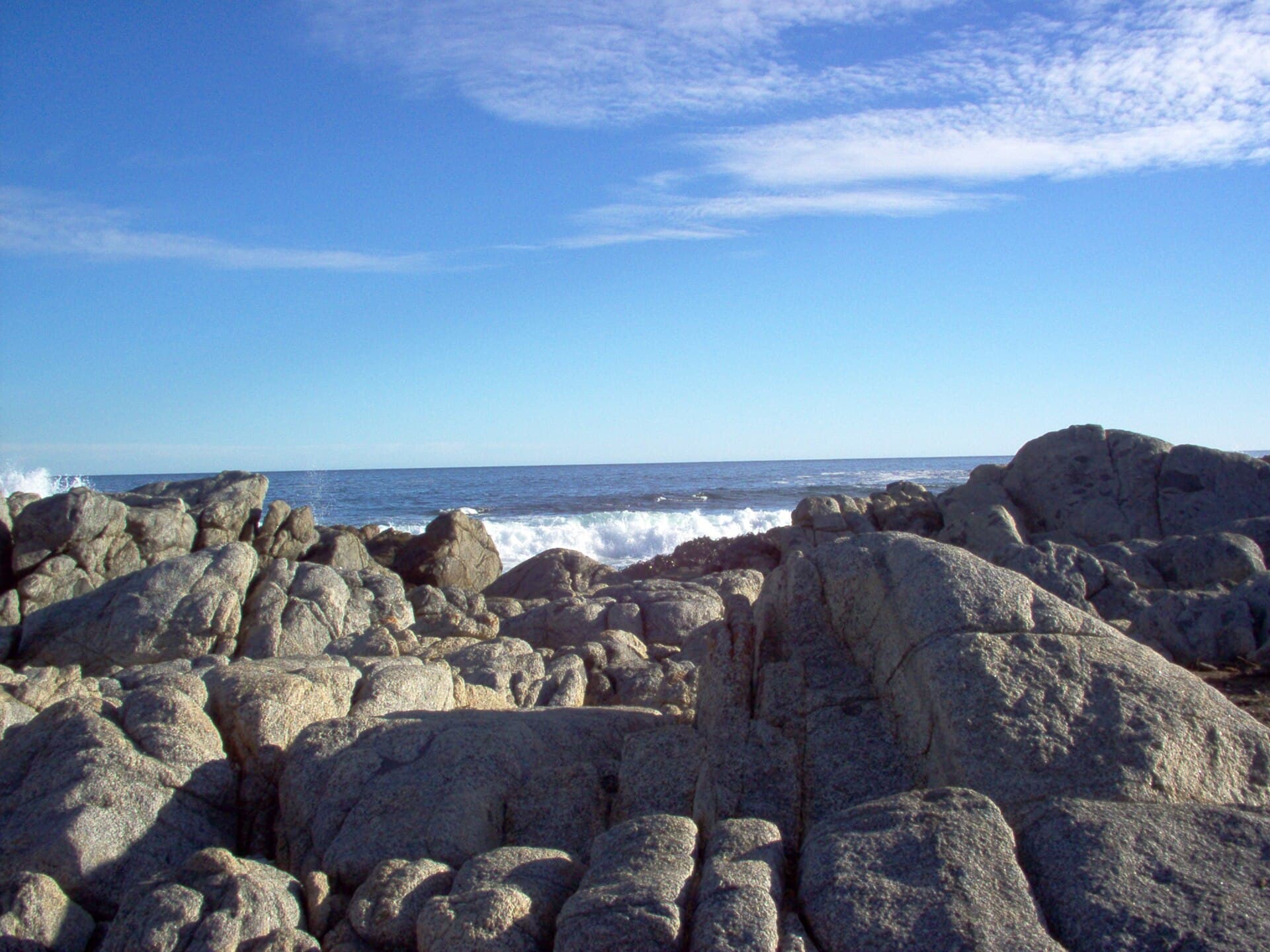
Beyond the house, the grounds and gardens afford expansive views of the Pacific Ocean and the dramatic, rocky coastline. It is here, overlooking the sea, that Pablo Neruda and Matilde Urrutia are interred. A walk along the Isla Negra Beach provides an opportunity to appreciate the coastal scenery and the powerful ocean swells. The surrounding area also features small craft shops and local eateries, particularly known for their fresh seafood. For those interested in regional artistry, the nearby town of Pomaire is recognized for its traditional Chilean pottery and handicrafts.
The most agreeable time to journey to Isla Negra is during the spring (September to November) and summer (December to February) months. During this period, the weather is generally mild and pleasant, offering ideal conditions for exploring the house museum and enjoying the coastal environment. Summer, however, is the busiest season, so anticipate larger gatherings and consider reserving tickets for the House Museum in advance. While afternoons can remain cool even in summer, a light jacket is usually sufficient. The transitional months of March and April, and September to November, offer fewer visitors and still agreeable weather.
Isla Negra is situated approximately 96 km west of Santiago and about 45 km south of Valparaíso. From Santiago, the drive takes about 1.5 to 2 hours via Route 68, then F-90 towards Algarrobo, and finally Route G-98-F to Isla Negra. Regular bus services also operate from Santiago's terminals (Pajaritos and Alameda) to Isla Negra, with frequent departures. If traveling from Valparaíso, buses depart from the city's bus terminal.
The Pablo Neruda House Museum is open Tuesday through Sunday, typically from 10 a.m. to 6 p.m., but it is closed on Mondays. Admission includes an audio guide available in multiple languages, including English, Spanish, and French. Reservations are not typically required for individual visits, but groups should book in advance. Photography is not permitted inside the house. Lockers are available for luggage storage at the museum.
- What is the principal attraction in Isla Negra?
- The principal attraction in Isla Negra is the Casa de Isla Negra, the house museum of Nobel Prize-winning poet Pablo Neruda.
- Is Isla Negra truly an island?
- Despite its name, Isla Negra is not an island. The name, meaning 'Black Island,' was bestowed by Pablo Neruda himself, referring to a dark rock formation near the coast.
- How far is Isla Negra from Santiago?
- Isla Negra is approximately 96 km (about 60 miles) west of Santiago, with a driving time of about 1.5 to 2 hours.
- Are guided experiences available for Pablo Neruda's house?
- Yes, visits to Pablo Neruda's House Museum include an audio guide available in several languages. Photography is not allowed inside the house.
- What can I expect to observe at Neruda's house?
- Neruda's house is filled with his diverse collections, including ship figureheads, bottles, maps, ships in bottles, and an extensive shell collection, all reflecting his deep interest in the sea.
- Can I explore Isla Negra and a winery on the same day?
- Yes, several tour operators offer full-day excursions that combine a visit to Isla Negra with a stop at a nearby winery in the Casablanca Valley.