The old tanneries quarter, lower Grasse
Grasse became the perfume capital of the world because of a smell problem — and it wasn't flowers that caused it.
Full story unlocks in the tour
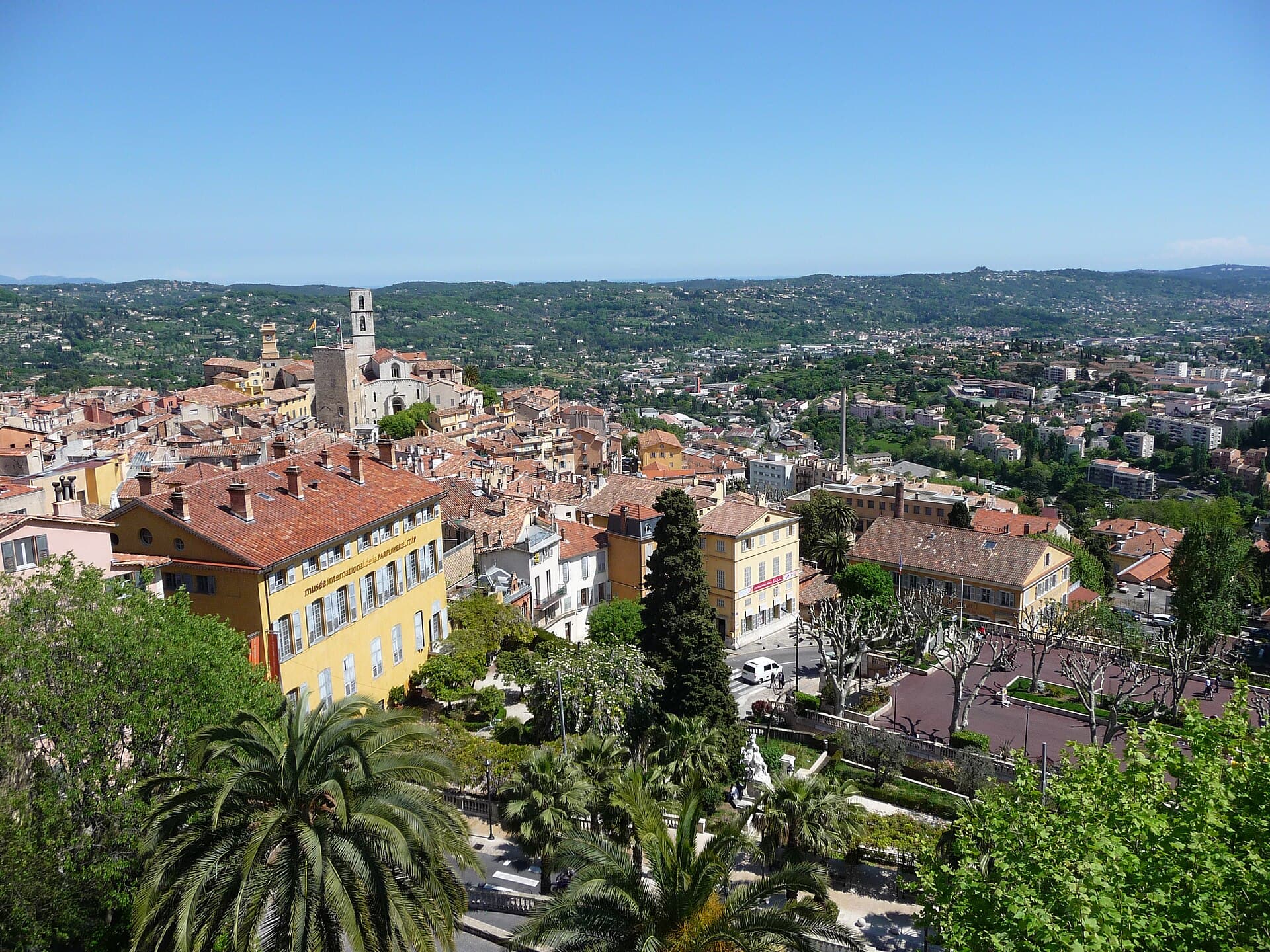 Lylambda / CC BY-SA 4.0, via Wikimedia Commons
“The city that taught the world to smell”
Not the postcards. The stories even locals don't know — whispered in your ear, right where they happened.
Grasse became the perfume capital of the world because of a smell problem — and it wasn't flowers that caused it.
The most famous paintings ever made in Grasse are no longer in Grasse — and the story of how they left involves a rejected mistress, a London art dealer, and J.P. Morgan.
Three paintings by Rubens hang in Grasse's cathedral — and nobody knows exactly how they got there from a chapel in Rome.
Discover every secret of Grasse
Every address, every reveal in full — in your ear, right where it happened.
You pick your stops. You walk. The voice reveals what the others miss.
No tours available yet. Check back soon — we're preparing them.
Grasse sits on a limestone ridge 350 metres above the Côte d'Azur, close enough to Cannes that you can see the Mediterranean from the Cours Honoré Cresp esplanade on a clear day, far enough inland that summer stays bearable. The air is different here — not metaphorically, but literally: the surrounding hills still carry lavender, rose centifolia and jasmine grandiflorum, the same plants that led a group of 16th-century tanners to reinvent their entire industry around scent. Today 70 perfume companies operate in the Pays de Grasse, producing raw materials used in roughly a third of all French perfumes and a quarter of men's fragrances worldwide. The old town, with its tall ochre houses and arcaded squares, runs on two parallel calendars: the one followed by tourists, and the one followed by flowers.
Grasse's medieval economy was leather. The town's tanners — operating near the small canal that crossed the lower quarter — were known across Europe for the quality of their goat and sheepskin goods, which they exported to Genoa and Pisa. The problem was the smell: hides were cured in vats of urine and oak bark, and the stench saturated the town.
Around 1530, the tanners began working wild aromatics from the hillsides — lavender, myrtle, cassie — into the leather to mask it. The technique evolved into scented gloves, a fashion that exploded when Catherine de Medici arrived in France in 1533 and the court adopted perfumed accessories. By 1614, King Louis XIII formally recognised the new corporation of gantiers-parfumeurs — glove-perfumers — and in 1656 it received its own royal charter under Louis XIV.
As the fashion for perfumed gloves faded in the 18th century, Grasse's craftsmen had accumulated such expertise in extracting floral essences that they simply abandoned the gloves and kept the perfume. The town's three remaining historic houses — Galimard (founded 1747), Molinard (1849) and Fragonard (1926) — are the visible legacy of that pivot.
In November 2018, UNESCO inscribed the savoir-faire lié au parfum en Pays de Grasse on its Representative List of Intangible Cultural Heritage — recognising not a product but a way of knowing: how to cultivate, extract and compose scent from living plants.
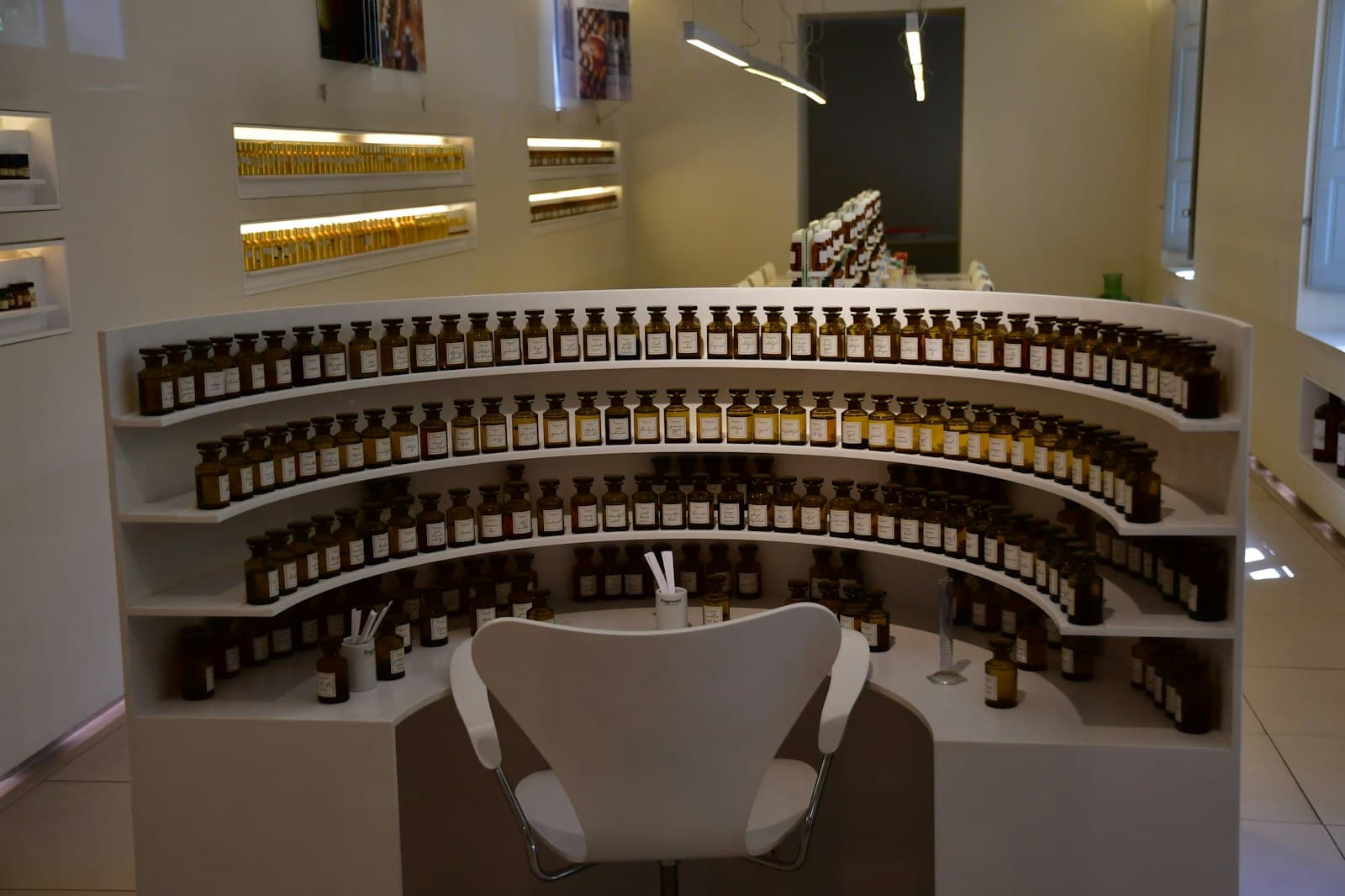
### Musée International de la Parfumerie The international perfume museum (2 boulevard du Jeu de Ballon) traces 5,000 years of scent history across nine floors of a converted 18th-century mansion. Admission is €4; free on the first Sunday of the month from October to November. Open daily 10:00–18:00 (19:00 in July–August). Closed 1 January, 1 May, 25 December and the first Monday of each month from October to March.
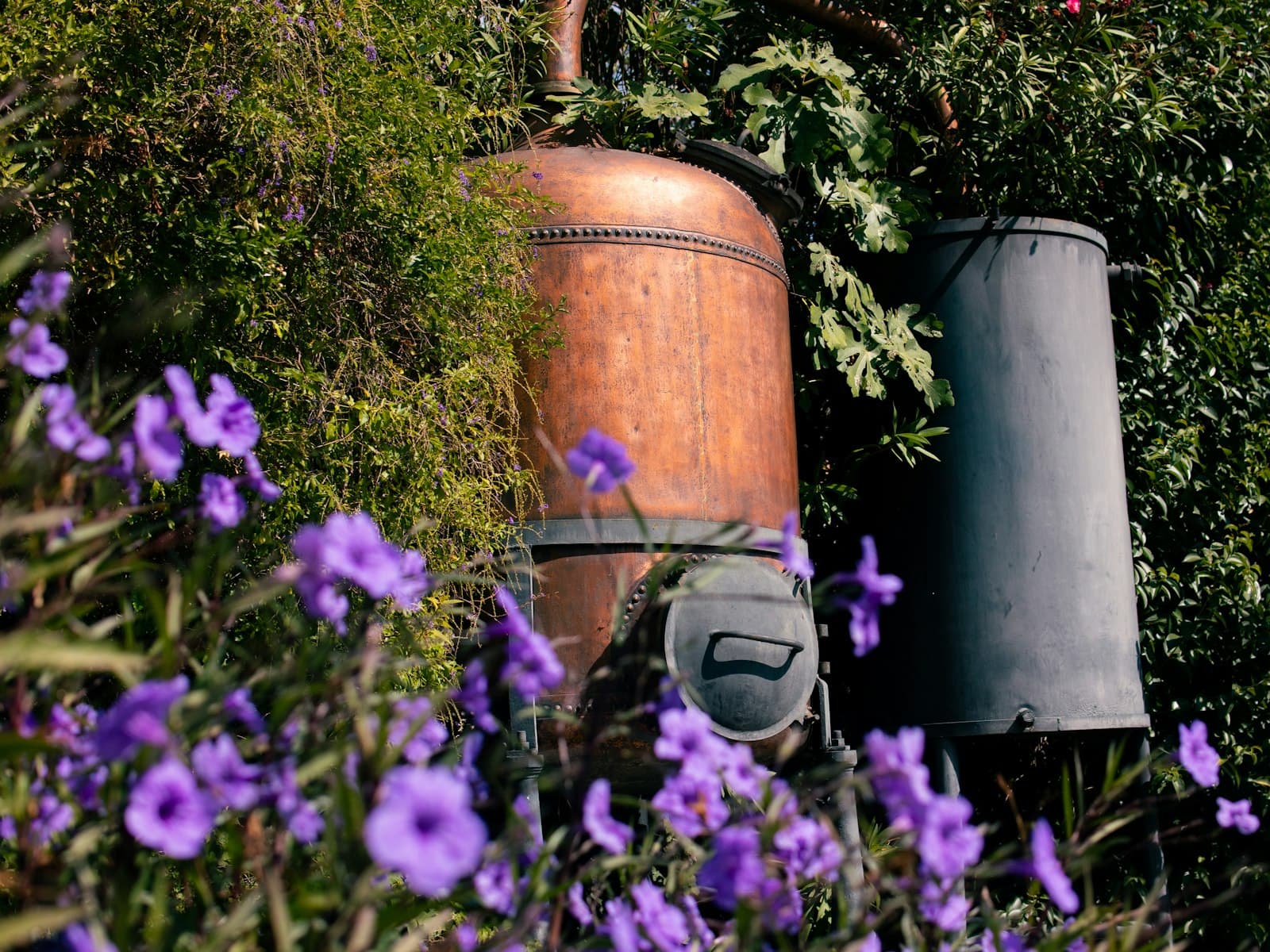
### The three historic perfumeries Galimard (73 route de Cannes) is the oldest house, founded 1747. Free guided tours of its factory explain extraction methods from cold enfleurage to solvent extraction. Molinard (60 boulevard Victor Hugo) operates from a building with a distillery structure designed by Gustave Eiffel. Fragonard (20 boulevard Fragonard) occupies one of the oldest factory buildings in Grasse; its adjacent museum displays original equipment and a collection of antique perfume bottles. All three offer make-your-own perfume workshops; booking ahead is advisable.
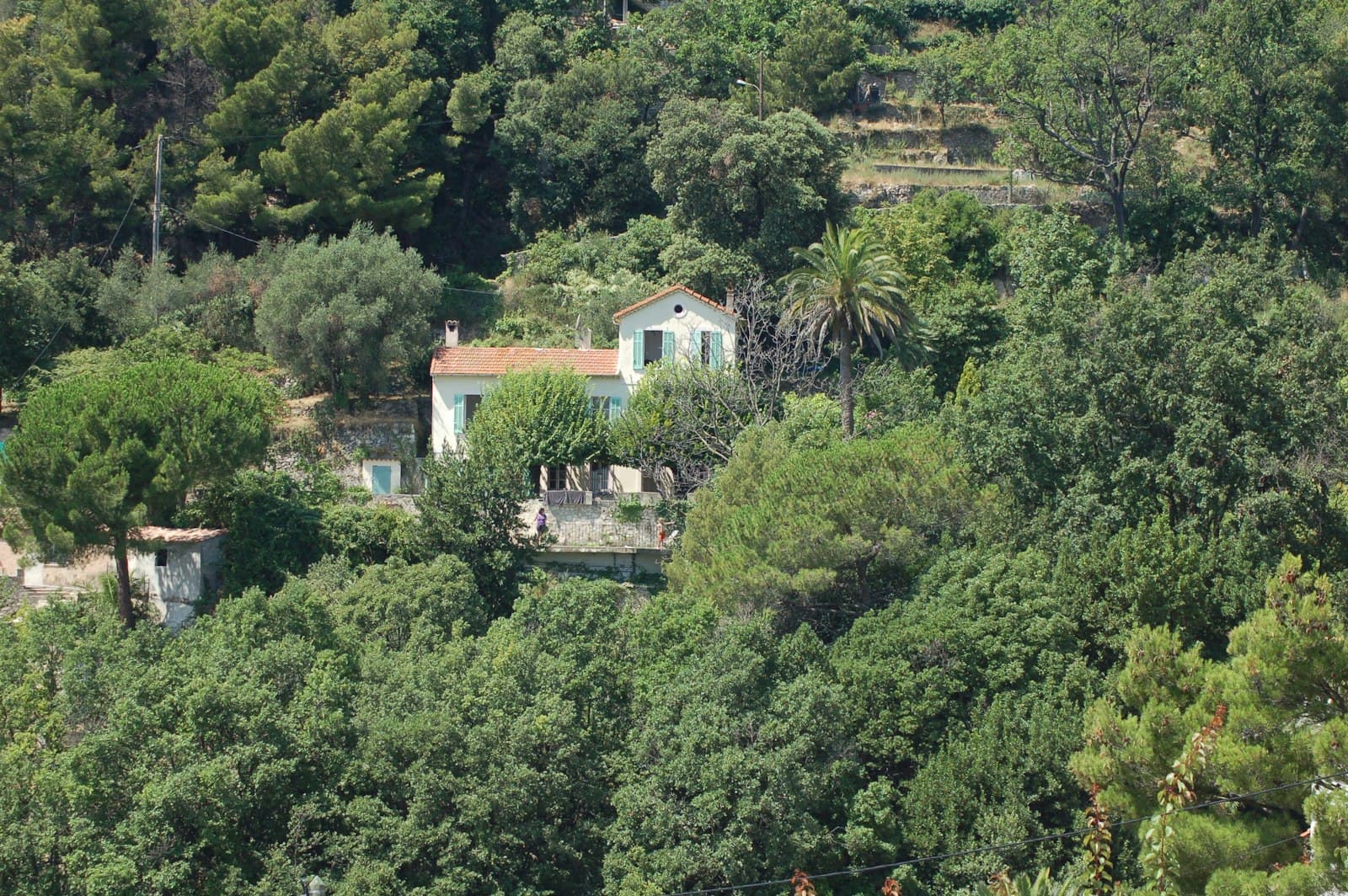
### Villa Fragonard Museum The villa where painter Jean-Honoré Fragonard took refuge from the Revolution and completed his Progress of Love cycle now functions as a museum. The fourteen canvases on display are copies — the originals were sold in 1898 and now hang in New York's Frick Collection — but the space itself, with its period furniture and painted ceilings, gives a clear picture of patrician Grasse at the end of the 18th century.
### Cathédrale Notre-Dame-du-Puy The 12th-century cathedral on place du Petit-Puy holds three paintings by Rubens, acquired by a Grasse industrialist in 1827 as settlement of a business debt. The same interior contains an early work by Fragonard, The Washing of Feet (1754).
### Place aux Aires and the old town The arcaded square at the heart of the old town runs a Provençal market every morning except Monday — flowers, cheese, olives, fresh produce. From here, the old town's narrow lanes rise steeply through tall ochre houses. The Cours Honoré Cresp, a wide esplanade at the town's upper edge, looks south toward the Esterel massif and, on clear days, out to sea.
Grasse has two peaks that are worth timing a visit around.
May brings the rose centifolia harvest — roughly May 15–25, when the terraced fields around town briefly fill with the variety used by Chanel and Dior for their premium fragrances. The Expo Rose festival typically runs over three days in early May, decorating the town's squares and fountains with tens of thousands of cut roses.
August–September is jasmine season. Grandiflorum jasmine flowers only at dawn; picking is done by hand and must be completed before noon. The Fête du Jasmin, first held in 1946, takes place over three days in early August, with a Saturday evening parade of flower floats.
Outside harvest season, Grasse is quieter and the museums less crowded. The light in October and November is exceptional. Summer weekends see the old town at its most congested — arrive early or park outside the centre and walk up.
Mimosa blooms across the surrounding hills from January through March, and orange blossom arrives in April — both are processed locally and used in perfume composition.
From Nice: Take the A8 motorway west to Cannes-Mougins, then the D6185 north to Grasse — around 45 minutes by car. SNCF trains run from Nice to Grasse via Cannes (approximately 75 minutes, changing at Cannes); check current timetables at voyages-sncf.com. Bus line 500 (LiAZUR) connects Nice and Cannes to Grasse.
From Cannes: 30 minutes by car on the D6185; roughly 30 minutes by SNCF.
Parking: The underground car park on Cours Honoré Cresp is the most practical — two minutes' walk from the Fragonard Museum and close to the old town entrance. Follow signs for 'Fragonard' from the main road. Budget around €12 for eight hours. Free parking in the old town is effectively impossible.
On foot: Grasse is hilly. The old town requires climbing; comfortable shoes matter. The three major perfumeries and the International Perfume Museum are all within 10 minutes' walk of each other once you are in the centre.
Currency: Euros. Most shops and restaurants accept cards; the morning market at Place aux Aires is cash-preferred.