Do-Drul Chorten
This prominent stupa, constructed to ward off malevolent forces, safeguards a secret from a time of royal unease.
Full story unlocks in the tour
 Ashinpt at enwiki / CC BY-SA 3.0, via Wikimedia Commons
“Where ancient monasteries meet mountain mists and lively streets.”
Not the postcards. The stories even locals don't know — whispered in your ear, right where they happened.
This prominent stupa, constructed to ward off malevolent forces, safeguards a secret from a time of royal unease.
The very ground this monastery occupies was once reached by a tantric master in an extraordinary manner.
This active pedestrian street, a center of modern Gangtok, carries a surprising nickname that evokes a distant land.
Discover every secret of Gangtok
Every address, every reveal in full — in your ear, right where it happened.
You pick your stops. You walk. The voice reveals what the others miss.
No tours available yet. Check back soon — we're preparing them.
Gangtok, the capital of Sikkim, is a lively hill station situated in the eastern Himalayan range at an elevation of 1,650 meters (5,410 feet). The city is a blend of indigenous Sikkimese cultures—Bhutias, Lepchas, and Indian Gorkhas—alongside influences from other Indian states. This cultural blend is evident in its monasteries, temples, and festivals. Gangtok is recognized for its clean, organized environment, and its pedestrian-friendly main street, MG Marg, offers a social hub.
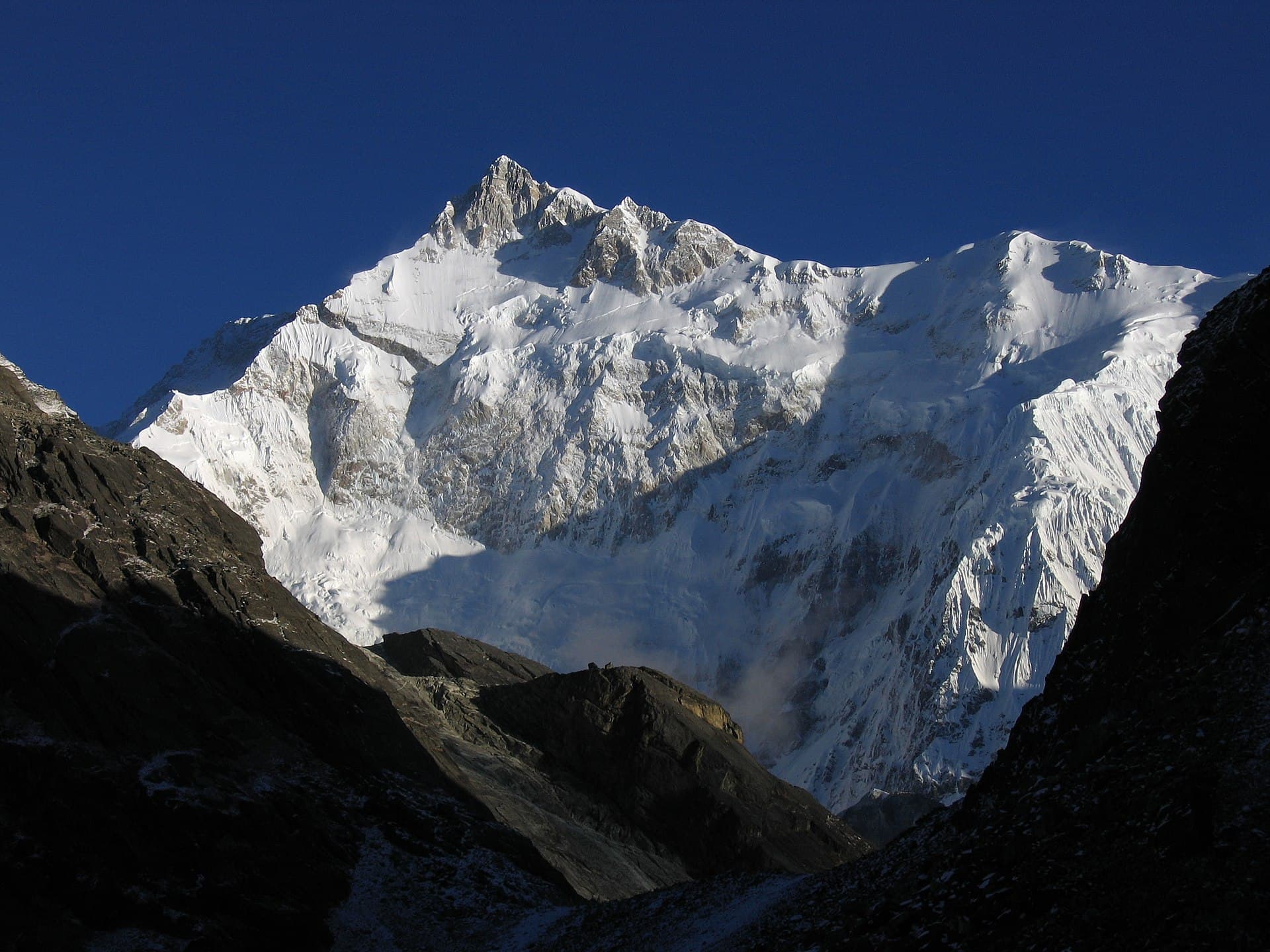
The city serves as a primary base for exploring the varied landscapes of Sikkim, from high-altitude glacial lakes to tranquil valleys. Guests can experience expansive views of Kanchenjunga, the world's third-highest mountain, on clear days. Whether seeking spiritual calm in ancient monasteries, engaging in adventure activities, or simply enjoying the mountain atmosphere, Gangtok offers a distinct Himalayan experience.
The earliest records of Gangtok trace back to 1716, with the construction of a small hermitic monastery. For a long time, it remained a small hamlet, primarily a rural community of Buddhist monks. A significant turning point arrived in 1840 with the establishment of the Enchey Monastery, which transformed Gangtok into an important pilgrimage center.
In the mid-19th century, following the British conquest, Gangtok became the capital of what remained of Sikkim. Its strategic location positioned it as a major stopover on the trade route between Lhasa in Tibet and cities like Kolkata (then Calcutta) in British India by the late 19th century. This period saw the construction of roads and the installation of a telegraph center, boosting the town's infrastructure and communication. In 1894, the ruling Sikkimese Chogyal (monarch), Thutob Namgyal, officially shifted the capital from Tumlong to Gangtok, further increasing its importance and leading to the construction of a new grand palace and other state buildings.
After India gained independence in 1947, Sikkim chose to remain an independent monarchy with Gangtok as its capital, entering into a protectorate agreement with India. This pact granted the Indian government control over Sikkim's external affairs while preserving its independence. The Nathula Pass, located about 50 kilometers (31 miles) from Gangtok, was a primary route for the wool, fur, and spice trade with Tibet, fueling Gangtok's economic growth until the mid-20th century.
However, the Sino-Indian War in 1962 led to the closure of the border and the Nathula Pass, causing Gangtok to experience a recession. In 1975, following a referendum and the abolition of the monarchy, Sikkim merged with India, and Gangtok continued as the capital of the 22nd state. The Nathula Pass was reopened for limited trade in 2006, which has since helped to revitalize Gangtok's economy. The early 21st century also saw the inauguration of the Gangtok Ropeway in 2003, a significant boost to local tourism, offering aerial views of the city and surrounding mountains.
Begin your exploration at MG Marg, Gangtok's pedestrian-only boulevard. This active street is a center of activity, lined with shops, cafes, and restaurants offering local delights like momos and thukpa. It is a clean, litter-free, and smoke-free zone, often hosting cultural events and festivals.
For spiritual insight, visit the Enchey Monastery, established in 1909 and belonging to the Nyingma order of Vajrayana Buddhism. It offers tranquil views and houses images of deities such as Buddha, Loki Sharia, and Guru Padmasambhava. Another significant Buddhist site is the Do-Drul Chorten, a large stupa built in 1945 to ward off malevolent spirits. It is surrounded by 108 prayer wheels inscribed with the mantra 'Om Mani Padme Hum'.
Discover Tibetan culture and history at the Namgyal Institute of Tibetology, which houses a collection of Buddhist art, artifacts, and scriptures. For expansive views of Gangtok and the distant Kanchenjunga peaks, consider a ride on the Gangtok Ropeway, a 1 km long cable car connecting three stations. Other viewpoints like Ganesh Tok and Tashi View Point also offer impressive vistas.
The best times to visit Gangtok are during spring (March to May/June) and autumn (October to November/December). During spring, temperatures range from 11°C to 24°C, with clear skies and a pleasant chill in the air, making it ideal for sightseeing and adventure activities. This season also brings rhododendrons and other flowers into bloom. Autumn offers comfortable temperatures, clear skies, and excellent views of the Kanchenjunga, with fewer crowds. While monsoon (July to September) brings lush greenery, heavy rains can cause landslides and are generally best avoided for first-time visitors. Winters (December to February) are cold, with temperatures dropping below freezing at night, but clear skies can offer snow-capped mountain views.
Gangtok is accessible by air, rail, and road. The nearest airport is Pakyong Airport (PYG), about 35 km south of Gangtok, though Bagdogra Airport (IXB) in West Bengal, 124 km away, is more commonly used due to better connectivity to major Indian cities. The closest major railway station is New Jalpaiguri (NJP) in Siliguri, approximately 120 km from Gangtok. Taxis and shared jeeps are readily available from both the airport and railway station to Gangtok.
Within Gangtok, the town is compact enough for most attractions to be explored on foot, especially the pedestrianized MG Marg. For destinations outside the city center, shared Tata Sumo jeeps are a convenient option, departing from designated stands. Foreign nationals require a special permit to visit Sikkim, which is generally easy to arrange with a passport photo, passport copy, and Indian visa. Certain areas, like Tsomgo Lake and Nathula Pass, require additional permits, which can be organized through local travel agencies.