Cheap Street
One of Europe's best-preserved medieval thoroughfares features a unique waterway coursing through its center.
Full story unlocks in the tour
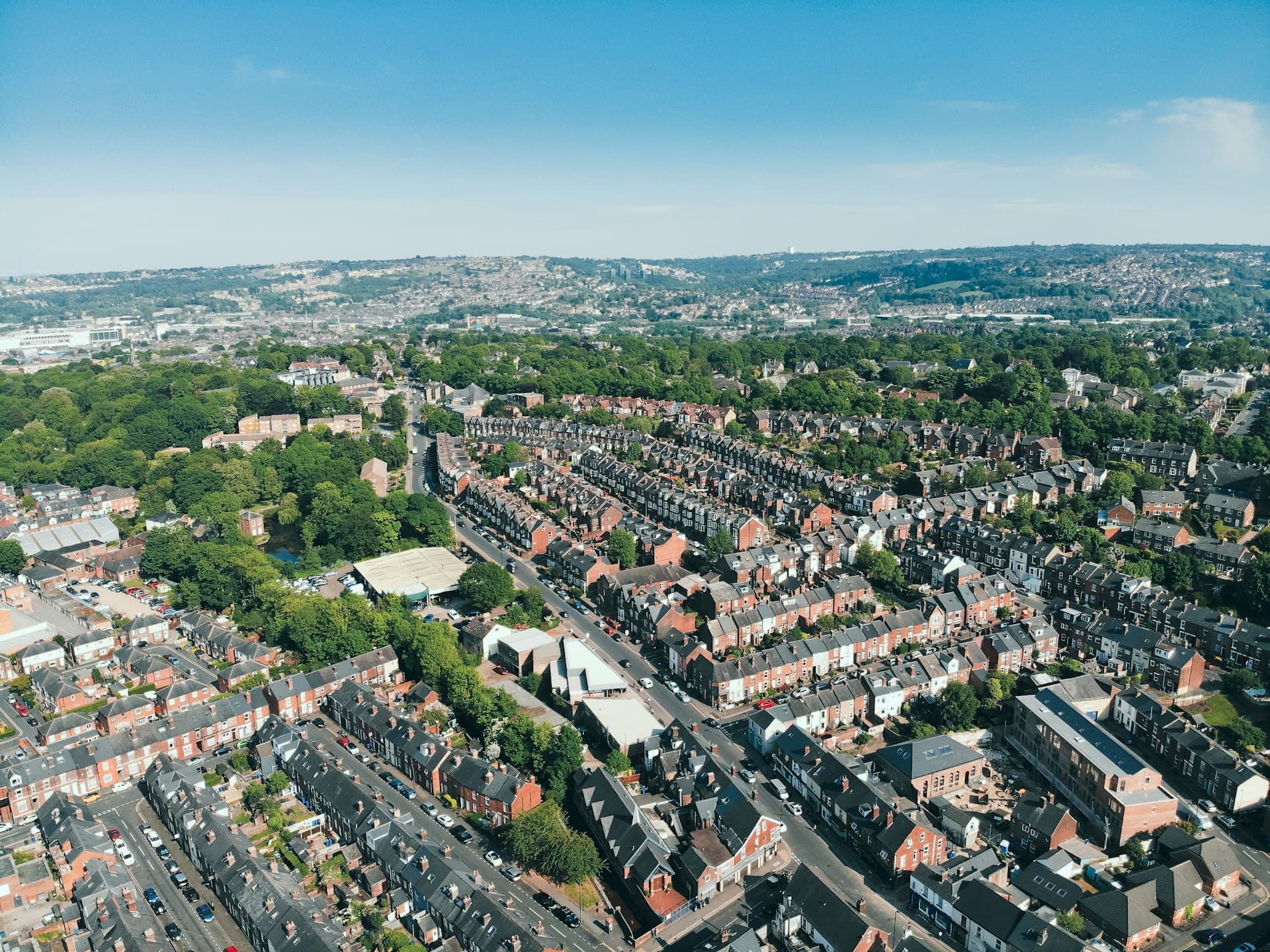 Photo: BEN ELLIOTT / Unsplash
“Winding lanes, independent spirit, and a brisk-flowing river.”
Not the postcards. The stories even locals don't know — whispered in your ear, right where they happened.
One of Europe's best-preserved medieval thoroughfares features a unique waterway coursing through its center.
Beneath the town, a network of enigmatic tunnels has fueled centuries of conjecture.
A venerable building by the town bridge discloses a surprising dual function from its past.
Discover every secret of Frome
Every address, every reveal in full — in your ear, right where it happened.
You pick your stops. You walk. The voice reveals what the others miss.
No tours available yet. Check back soon — we're preparing them.
Frome, pronounced 'Froom,' is a historic market town in Somerset, England, recognized for its independent spirit and creative community. Situated on the eastern edge of the Mendip Hills, the town's name is thought to derive from the ancient Brythonic word 'ffraw,' meaning 'fair,' 'fine,' or 'brisk,' referring to the River Frome that flows through it. Frome's winding streets and numerous historic buildings offer a window into its past, while a flourishing arts scene and a focus on independent businesses lend it a contemporary edge.
The town has earned acclaim as a desirable place to reside, lauded for its community focus and distinctive blend of history and modern creativity. Frome is a central point for those seeking singular experiences, from exploring artisan shops to enjoying its celebrated markets. Its location also makes it a convenient base for exploring the surrounding Somerset countryside and nearby attractions.
## Early Origins and Saxon Settlement Frome's origins trace back to around the 7th century, with the first documentary record relating to the foundation of the Monastery of St John by St Aldhelm in 685 AD. The town grew around this monastery and a river crossing, capitalizing on its access to natural resources and proximity to the Mendips and Salisbury Plain. By 934, a 'witan' (an early form of parliament) was held in Frome, indicating its increasing importance, and the Domesday Survey later confirmed its status as a significant regional town.
## The Flourishing Wool and Cloth Trade From the 15th to the late 18th century, Frome became an acclaimed center for wool and cloth production. The town's prosperity during this period is evidenced by the numerous stone houses built between 1400 and 1800, many of which still stand today. Cloth from Frome was sold through London and exported across Europe, and Daniel Defoe noted in the mid-18th century that Frome had more inhabitants than Bath. The fast-flowing River Frome powered numerous watermills crucial to the industry, and much of the work was conducted in home workshops, fostering an independent spirit among the town's clothiers and workers.
## Industrial Diversification and Decline As the cloth trade diminished, Frome transitioned into a market town for the surrounding agricultural area. Other industries emerged, including metal-working and printing. J.W. Singer & Sons, a Frome-based foundry, produced iconic public statues such as Boudica on the Thames Embankment and Justice atop the Old Bailey. Butler and Tanner became a prominent printing company, occupying a large building that remains a local landmark. While major industries have since declined, their legacy is visible in Frome's architecture; the town contains over 350 listed buildings, more than any other town in Somerset outside Bath.
## A Modern Independent Hub In recent decades, Frome has reimagined itself as a dynamic social and cultural center with a strong independent ethos. This spirit of independence is reflected in its numerous independent shops, arts venues, and community-led initiatives. The town's commitment to community and creativity has been recognized nationally, making it a singular destination that blends its storied past with a dynamic present.
Frome's compact center is best explored on foot, where narrow, often stone-paved streets reveal architectural details from centuries past. Catherine Hill is a focal point, known for its independent shops, artisan boutiques, and galleries. Here, you can find handmade ceramics, distinctive gifts, and vintage items. Another highlight is Cheap Street, a well-preserved medieval street with a distinctive open leat running down its center.
The Frome Independent Market, held on the first Sunday of each month from March to December, transforms the town into a bustling center of food stalls, artisan crafts, vintage finds, and live music. Beyond the markets, the Frome Museum offers insights into the town's industrial past, including its wool and metal industries. For performing arts, The Cheese and Grain is a key music venue, and the Merlin and Memorial theatres host a variety of shows. St John's Church, with its unusual Via Crucis, is another notable religious building. The surrounding Mendip Hills provide opportunities for walking and exploring the Somerset scenery.
Frome is a destination that can be enjoyed year-round, but the most pleasant weather for exploring arrives during June, July, August, and September, when temperatures are mild, ranging between 19°C and 22°C (66-72°F). July is typically the warmest month with the most sunshine. To experience the renowned Frome Independent Market, plan your visit for the first Sunday of the month between March and December. The Frome Festival, a celebration of the arts, takes place every July.
Frome is accessible by road and rail, with regular train services connecting to Bath, Bristol, and London Paddington. Local buses also serve the town and surrounding villages. For those driving, information on parking and electric car charging points is available. The town offers a range of accommodation, from boutique cottages to hotels and B&Bs. The Discover Frome Information Point, located at Frome Library, provides local knowledge, maps, and guides. Frome Town Council also operates a 'You're Welcome' scheme, offering public access to toilets and water refill points at participating businesses. The town has a community fridge and a share shop, allowing visitors and residents to borrow items and reduce waste.