Faro Cathedral (Sé de Faro)
The current cathedral in Faro stands on layers of history, but one particular transformation after a major conquest reveals a surprising repurposing.
Full story unlocks in the tour
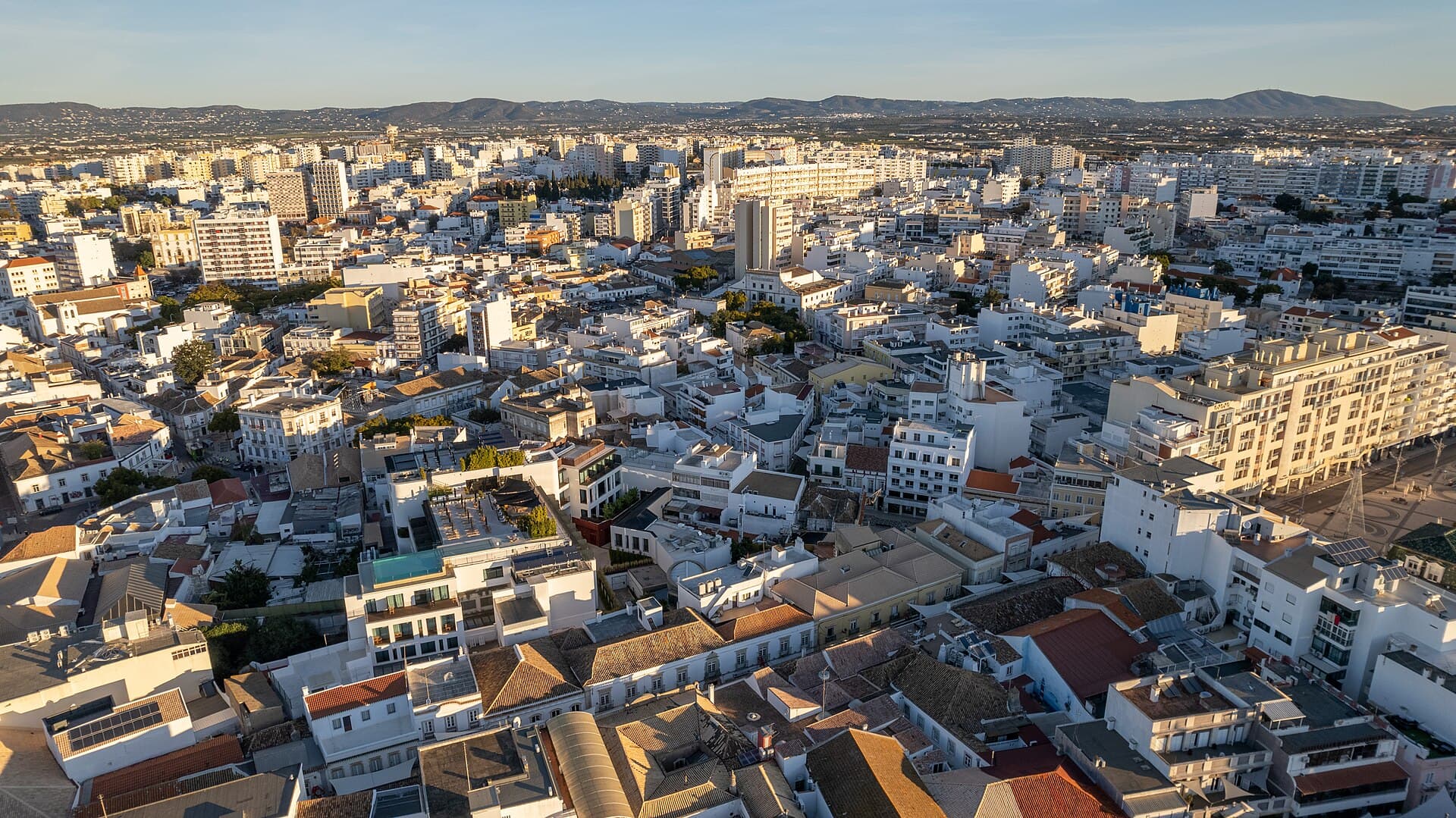 Arne Müseler / CC BY-SA 3.0 de, via Wikimedia Commons
“Where ancient walls meet the gentle sigh of the Ria Formosa.”
Not the postcards. The stories even locals don't know — whispered in your ear, right where they happened.
The current cathedral in Faro stands on layers of history, but one particular transformation after a major conquest reveals a surprising repurposing.
This chapel's construction material isn't stone or wood, but something far more personal and poignant, born from a practical problem.
This grand neoclassical archway isn't just an entrance; it holds a secret architectural echo from a much older era, visible within its structure.
Discover every secret of Faro
Every address, every reveal in full — in your ear, right where it happened.
You pick your stops. You walk. The voice reveals what the others miss.
No tours available yet. Check back soon — we're preparing them.
Faro, the capital of Portugal's Algarve region, is a city often seen as a gateway, yet it holds a captivating story within its ancient walls and along its serene waterfront. Unlike some of its beach-focused neighbors, Faro offers a blend of history, culture, and natural beauty, inviting a slower exploration.
The city's historic center, known as Vila Adentro, is a maze of cobbled streets, whitewashed buildings, and shaded squares adorned with orange trees. Beyond the city, the Ria Formosa Natural Park, a protected wetland of lagoons and barrier islands, provides a refuge for diverse birdlife and tranquil escapes.
Faro's allure lies in its details: the Roman stones reused in church walls, the monasteries transformed into museums, and the storks making homes on rooftops, all contributing to a sense of a past that coexists with the present.
Faro's origins stretch back to the 4th century BCE, when it was a Phoenician trading post named Ossonoba. Its strategic location on the Ria Formosa lagoon made it an important commercial hub for agricultural products, fish, and minerals. The Romans later developed Ossonoba into a proper town, constructing city walls, streets, a forum, temples, and public baths in what is now Faro's old town.
By the 4th century CE, Faro had become a significant religious center, maintaining its status even under Visigothic rule. Major changes arrived in the 8th century with the Moorish conquest, initiating nearly 500 years of occupation. The Moors strengthened the city walls and left a lasting cultural impact, with Faro becoming the capital of a small independent Moorish kingdom towards the end of this period. The city was known by various names, including Santa Maria Ibn Harun, with 'Harun' believed to be the inspiration for the modern name, Faro.
In 1249, King Afonso III of Portugal secured Faro, completing the Christian Reconquest of what is now Portugal. The main mosque was converted into a Christian church, which is now the Faro Cathedral. Faro prospered in the following centuries due to its port and trade, and in 1540, it was elevated to city status. In 1577, the seat of the Bishopric was transferred from Silves to Faro, further solidifying its importance.
However, this period of calm was interrupted in 1596 when an English army led by the Earl of Essex attacked, burning parts of the city and looting the bishop's library. Among the stolen items was the first book ever printed in Portugal, a Hebrew Torah. The 17th century saw further expansion and the construction of new city walls. The devastating Lisbon earthquake of 1755 also impacted Faro, though the Ria Formosa lagoon's sandbanks mitigated some of the destruction. After the earthquake, Faro became the administrative capital of the Algarve, a role it maintains today.
Begin your exploration at the Arco da Vila, an impressive 19th-century gateway that leads into Faro's historic center, Vila Adentro. Wander through the cobbled streets, where you can still see remnants of the old Arab walls. At the core of the old town lies Faro Cathedral (Sé de Faro), a Gothic church with a bell tower offering expansive views of the city and the Ria Formosa Natural Park.
For a singular experience, visit the Capela dos Ossos (Chapel of Bones) at the Igreja do Carmo. This small chapel is lined with the bones and skulls of over 1,000 monks. The Faro Municipal Museum, housed in a former convent, displays Roman mosaics and other artifacts, providing insight into the city's past. Do not miss the opportunity to take a boat trip into the Ria Formosa Natural Park, a protected wetland alive with birdlife, including flamingos and white storks. You can visit barrier islands like Ilha Deserta (Ilha da Barreta) and Ilha do Farol, which offer tranquil beaches and seafood restaurants. Back in the city, admire the traditional Portuguese tiles, or azulejos, adorning buildings and sidewalks, particularly on Rua de Santo Antonio.
The best times to visit Faro are during spring (April-June) or early fall (September-October). During these months, the weather is pleasant, and the streets are less crowded than in peak summer. July and August bring the warmest temperatures and the largest crowds, making it ideal for those who enjoy a lively atmosphere and beach activities. Even in winter, Faro remains mild enough for comfortable walks and café visits.
Faro International Airport (FAO) is located approximately 8 kilometers from the city center, with taxis and buses providing quick transfers. Within the city, most tourist attractions are easily walkable. For exploring further afield or reaching the barrier island beaches, local buses and ferries are available. Trains connect Faro to other towns in the Algarve and across Portugal.
The official currency in Faro, and throughout Portugal, is the Euro (EUR). While cards are widely accepted, it is advisable to carry some cash for smaller establishments or markets. Faro is generally considered a safe city with a low crime rate, though it's always wise to be aware of your surroundings, especially in crowded tourist areas, and take precautions against petty theft.