Hussong's Cantina
This century-old bar has welcomed a procession of colorful figures, but one particular drink is said to have been born here, forever altering cocktail menus across the globe.
Full story unlocks in the tour
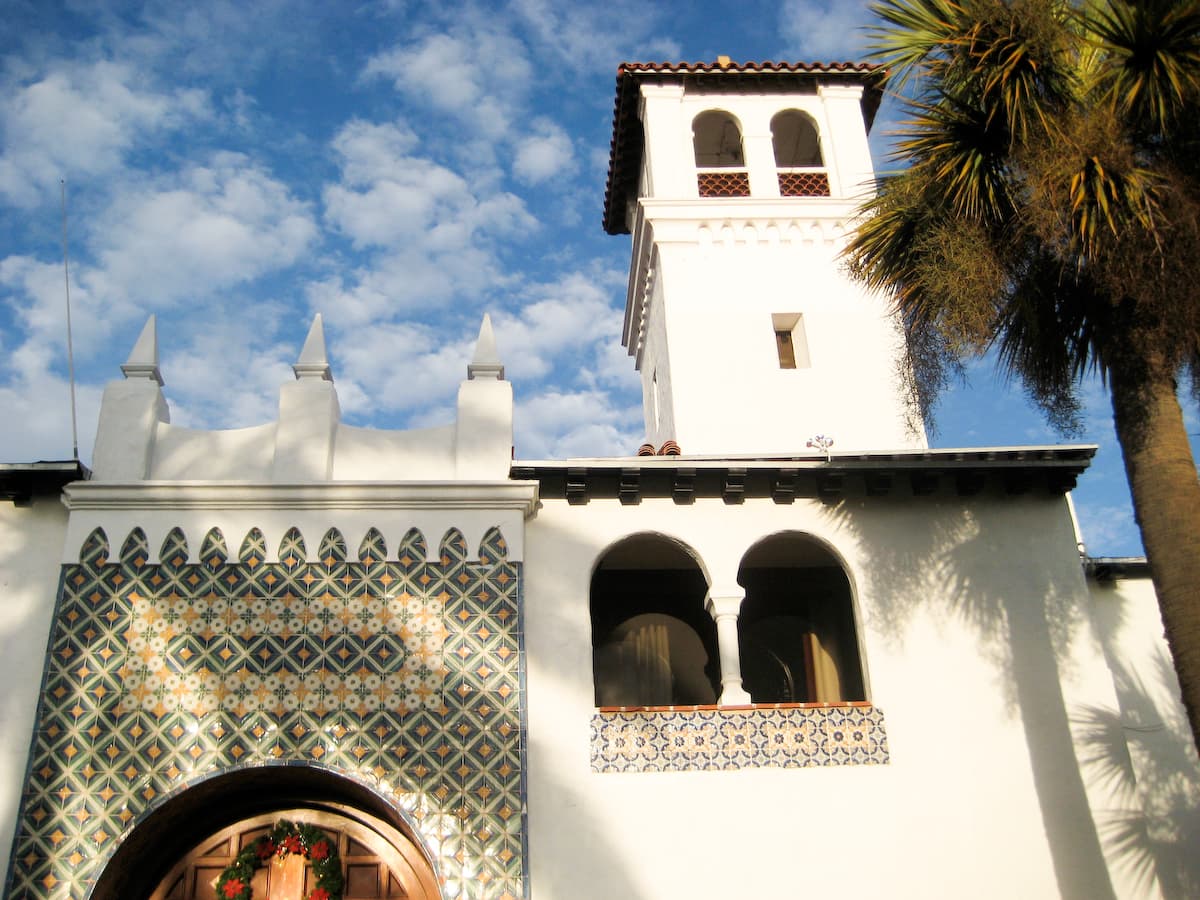 in-boulder from Boulder / CC BY 2.0, via Wikimedia Commons
“Where the Pacific embraces Baja's wine country, and history echoes tales of Hollywood and clandestine speakeasies.”
Not the postcards. The stories even locals don't know — whispered in your ear, right where they happened.
This century-old bar has welcomed a procession of colorful figures, but one particular drink is said to have been born here, forever altering cocktail menus across the globe.
During Prohibition, American movie stars and even notorious figures sought refuge in Ensenada. This grand hotel stood at the center of their escapades, and an iconic drink may have originated within its elegant walls.
A powerful natural phenomenon on the coast, local lore offers a whimsical explanation for its thunderous exhalation and impressive plume.
Discover every secret of Ensenada
Every address, every reveal in full — in your ear, right where it happened.
You pick your stops. You walk. The voice reveals what the others miss.
No tours available yet. Check back soon — we're preparing them.
Ensenada, affectionately known as 'The Cinderella of the Pacific,' is a coastal city on Mexico's Baja California Peninsula, recognized for its relaxed atmosphere and deep culture. Situated just 125 kilometers south of San Diego, it serves as a significant port and a favored destination for travelers seeking a blend of natural grandeur, culinary experiences, and compelling history.
The city offers passage to diverse adventures, from the dramatic marine geyser of La Bufadora to the developing vineyards of the Valle de Guadalupe. Ensenada's singular location, where the Pacific Ocean meets gentle hills and a celebrated wine country, provides a comprehensive travel experience that feels both tranquil and full of energy.
The story of Ensenada stretches back long before European contact, with the lands inhabited by indigenous peoples of the Yuman language group, including the Kumeyaay, Kiliwa, and Paipai. The Kumeyaay maintained a village called Pa-tai where the city now stands.
The first European to reach Bahía de Todos Santos, the bay Ensenada borders, was the Spanish explorer Juan Rodríguez Cabrillo in 1542, who named the area San Mateo. In 1602, while charting the coast in search of secure harbors for Spanish galleons, Sebastián Vizcaíno renamed it Ensenada de Todos Santos, meaning 'bay of all saints,' from which the modern name is derived.
The first enduring settlement was established by the Jesuits during the 17th or 18th century. Following the expulsion of the Jesuits in 1768, Dominicans assumed responsibility for European representation in the area. In 1805, José Manuel Ruiz Carillo obtained permission to establish himself in Ensenada, constructing a house that stood until the late 19th century.
Ensenada was officially established in 1882 when it was designated the capital of the northern partition of the Baja California Territory. This period witnessed development efforts by the English Mexican Land and Colonization Company, and the city expanded considerably with the proliferation of mines in the surrounding mountains. However, the Mexican Revolution severely curtailed Ensenada's growth, leaving the area devastated. In 1915, the capital was transferred to Mexicali, and by 1930, Ensenada's population had diminished to just 5,000.
The arrival of Prohibition in the United States (1920-1933) transformed Ensenada into a favored tourist destination for Americans seeking diversion and alcohol. This era solidified Ensenada's standing as a resort town, with a building boom in the 1950s and 1960s leading to its rise in international prominence. Today, Ensenada is a significant economic and cultural center for Baja California, recognized for its port, tourism, and as a hub for marine research.
Ensenada offers a range of attractions that meld natural wonders with cultural experiences. One of the most celebrated is La Bufadora, a marine geyser situated approximately 17 miles south of the city on the Punta Banda Peninsula. This natural blowhole can propel seawater over 100 feet into the air, creating a dramatic display and a distinct 'roar.' A lively market leads up to the viewing area, offering local crafts and food.
For those who appreciate wine, the Valle de Guadalupe is a crucial stop. Often referred to as 'Mexico's Napa Valley,' this region, located north of Ensenada, produces an estimated 70% to 90% of Mexican wine. Numerous wineries provide tastings and tours, presenting a diverse array of red and white varietals.
In the city center, the Riviera del Pacífico Cultural Center (formerly the Hotel Riviera del Pacífico) stands as a historic landmark with Spanish-style architecture, once a glamorous casino and now a cultural center and museum. The Plaza Cívica features substantial golden busts of Mexican heroes and serves as an excellent starting point for exploring downtown. The Mercado Negro, a bustling fish market, offers a glimpse into local life and is a superb place to sample fresh seafood, including the renowned Baja-style fish tacos.
For expansive views of the entire port and downtown area, ascend to the Ensenada Mirador, located at the city's highest elevation.
Ensenada experiences a mild, semi-arid climate, often likened to the Mediterranean, with warm, dry summers and mild, somewhat rainy winters. The transitional seasons, from April to May and September to October, are ideal, providing pleasant weather, fewer visitors, and a balance of activities. Summer (June to August) is warm and dry, perfect for coastal pursuits, with August being the warmest month. Winter (November to March) is cooler and occasionally rainy, yet still suitable for city and wine tours. Whale watching is popular from December to March.
The official currency is the Mexican Peso (MXN), though US dollars are widely accepted in tourist areas, especially from cruise ship visitors. However, it is advisable to use pesos for more favorable exchange rates, which can be withdrawn from ATMs. Credit cards are accepted at larger establishments, but cash is helpful for smaller purchases and market stalls.
Ensenada's cruise port is conveniently close to the downtown tourist area, allowing for easy walking to main attractions. Taxis, rideshares, and shuttles are also available. For excursions to places like La Bufadora or Valle de Guadalupe, organized transportation is recommended. The official language is Spanish, but English is commonly spoken in tourist areas. Ensenada is generally considered secure for tourists in frequented areas; however, it is wise to be aware of your surroundings and drink bottled water.