Bacuit Bay
The striking limestone cliffs of El Nido are a geological marvel, but their formation tells a story far older than the islands themselves.
Full story unlocks in the tour
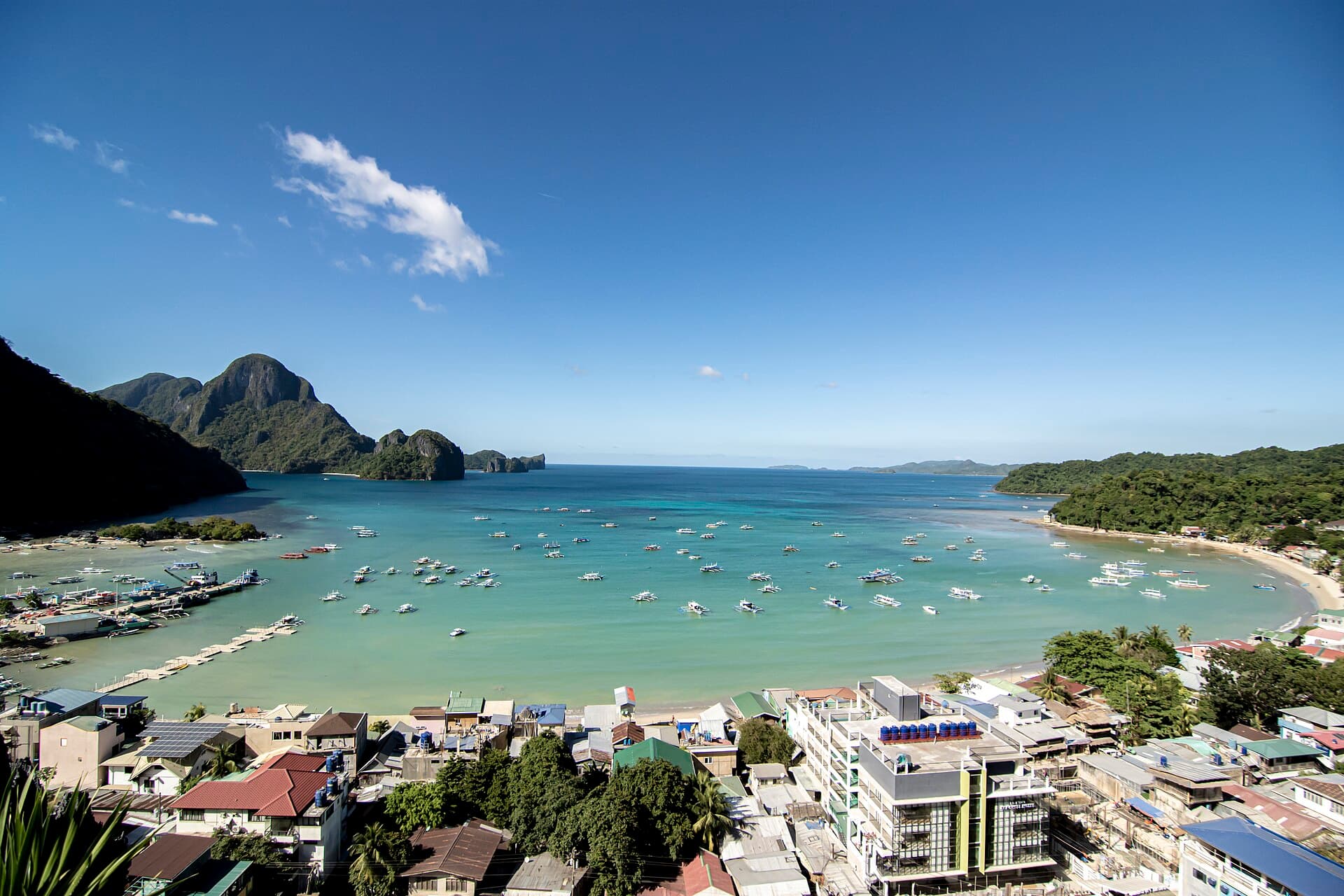 Kalithecat00 / CC BY-SA 4.0, via Wikimedia Commons
“Where ancient karsts meet turquoise waters, El Nido reveals the quiet grandeur of the swiftlet's realm.”
Not the postcards. The stories even locals don't know — whispered in your ear, right where they happened.
The striking limestone cliffs of El Nido are a geological marvel, but their formation tells a story far older than the islands themselves.
Archaeological finds in El Nido suggest human habitation dating back tens of thousands of years, but one cave holds a particularly poignant secret about early human practices.
The town's name, 'El Nido,' translates from Spanish as 'The Nest,' a seemingly straightforward reference to its natural beauty. However, the 'nest' refers to a specific, valuable commodity that shaped its early economy.
Discover every secret of El Nido
Every address, every reveal in full — in your ear, right where it happened.
You pick your stops. You walk. The voice reveals what the others miss.
No tours available yet. Check back soon — we're preparing them.
El Nido, a municipality on the northern tip of Palawan, Philippines, is a destination where dramatic limestone karsts rise from the turquoise waters, creating a landscape often compared to Vietnam's Ha Long Bay. This archipelagic region encompasses 45 islands and islets, each contributing to an ecosystem recognized for its diverse flora and fauna. It is a place where white-sand beaches meet lush forests and coral reefs, making it a premier spot for snorkeling, diving, and island-hopping adventures.
Beyond its visual appeal, El Nido is a managed resource protected area, safeguarding its unique geological formations and biodiversity. The town of Poblacion serves as the hub for tourism, offering a range of accommodations and services. Visitors come to explore lagoons, trek through forests, and immerse themselves in a natural environment that has consistently earned accolades as a top global travel destination.
El Nido, originally known as Bacuit, has a history stretching back millennia. Archaeological evidence suggests human habitation in the area as early as 22,000 years ago, with findings in Dewil Valley indicating the use of stone tools by inhabitants around 12,000 BC. By the Song Dynasty (960–1279 AD), Chinese traders were regularly visiting the region, exchanging goods for valuable edible bird's nests, a commodity that would shape the local economy for centuries.
The Spanish arrived in the 16th century, establishing settlements and introducing Christianity. The area was initially a barrio of Taytay, the capital of the former province of Calamianes. In 1890, the Spanish renamed the Tagbanua village of Talindak to Bacuit. The early 20th century saw a transition to American control, bringing some infrastructure improvements. It wasn't until June 17, 1954, that Bacuit officially became El Nido, a Spanish word meaning "The Nest," in recognition of the swiftlet nests found in its limestone cliffs.
During World War II, El Nido played a strategic role, with its rugged terrain and coves providing cover for American and Filipino guerrilla fighters against Japanese occupation. Remnants of this period can still be found in the region. In the post-war era, El Nido gradually transitioned from an economy based on bird's nest harvesting and fishing to one increasingly focused on tourism. The 1980s marked a turning point, with the establishment of the first luxury resorts and the recognition of its tourism potential.
Recognizing its ecological significance, the Philippine government declared El Nido a marine reserve in 1984, initially as a turtle sanctuary. This protected status expanded over the years, culminating in the establishment of the El Nido-Taytay Managed Resource Protected Area in 1998, covering over 90,000 hectares of marine and terrestrial ecosystems. This designation helps balance tourism growth with environmental preservation, ensuring the area's unique biodiversity, including endemic bird species, marine mammals, and endangered sea turtles, is maintained for future generations.
El Nido is a gateway to the Bacuit Archipelago, a collection of 45 islands and islets. The primary activity is island hopping, with various tours (often labeled A, B, C, and D) visiting different lagoons, beaches, and snorkeling spots. Popular destinations include the Big Lagoon, Small Lagoon, and Secret Beach, all renowned for their clear waters and limestone formations. Miniloc Island, Shimizu Island, and Seven Commandos Beach are also frequently visited.
Beyond the boat tours, visitors can explore the mainland. Nacpan Beach is known for its expansive white sands, while Las Cabanas Beach offers sunset views. For those seeking a different perspective, sea kayaking offers an eco-friendly way to navigate the islands and discover coves. Snorkeling and scuba diving are popular due to the abundant marine life and coral reefs. The El Nido-Taytay Managed Resource Protected Area protects a diverse ecosystem, home to various bird species, marine mammals like dugongs and dolphins, and endangered sea turtles.
El Nido experiences a tropical climate with two main seasons: a dry season from November to May and a rainy season from June to October. The ideal time to visit is during the dry season, when the weather is generally sunny and the seas are calmer, making island hopping and water activities more enjoyable. While the dry season offers optimal conditions, it also sees higher tourist numbers. Visiting during the shoulder months, like November or May, can offer a balance of good weather and fewer crowds.
To reach El Nido, travelers typically fly into Manila or Cebu, then take a domestic flight to El Nido Airport (Lio Airport) or to Puerto Princesa International Airport, followed by a 5-6 hour drive north. Boat services are also available from nearby islands.
Accommodation options in El Nido range from basic guesthouses to luxury resorts, catering to various budgets. It's advisable to book in advance, especially during peak season, as rooms can fill up quickly. While tourism is a significant part of the economy, agriculture, including crops like coconut, cashew, banana, and mango, is also present. English is widely understood, alongside Filipino, reflecting a cultural melting pot influenced by indigenous traditions and Spanish colonial history. Local cuisine features fresh seafood, with dishes like adobo, kinilaw (Filipino ceviche), and laing (taro leaves in coconut milk) being popular.