Dire Dawa Railway Station
The grand station, constructed by French engineers, holds more than just old tracks and carriages.
Full story unlocks in the tour
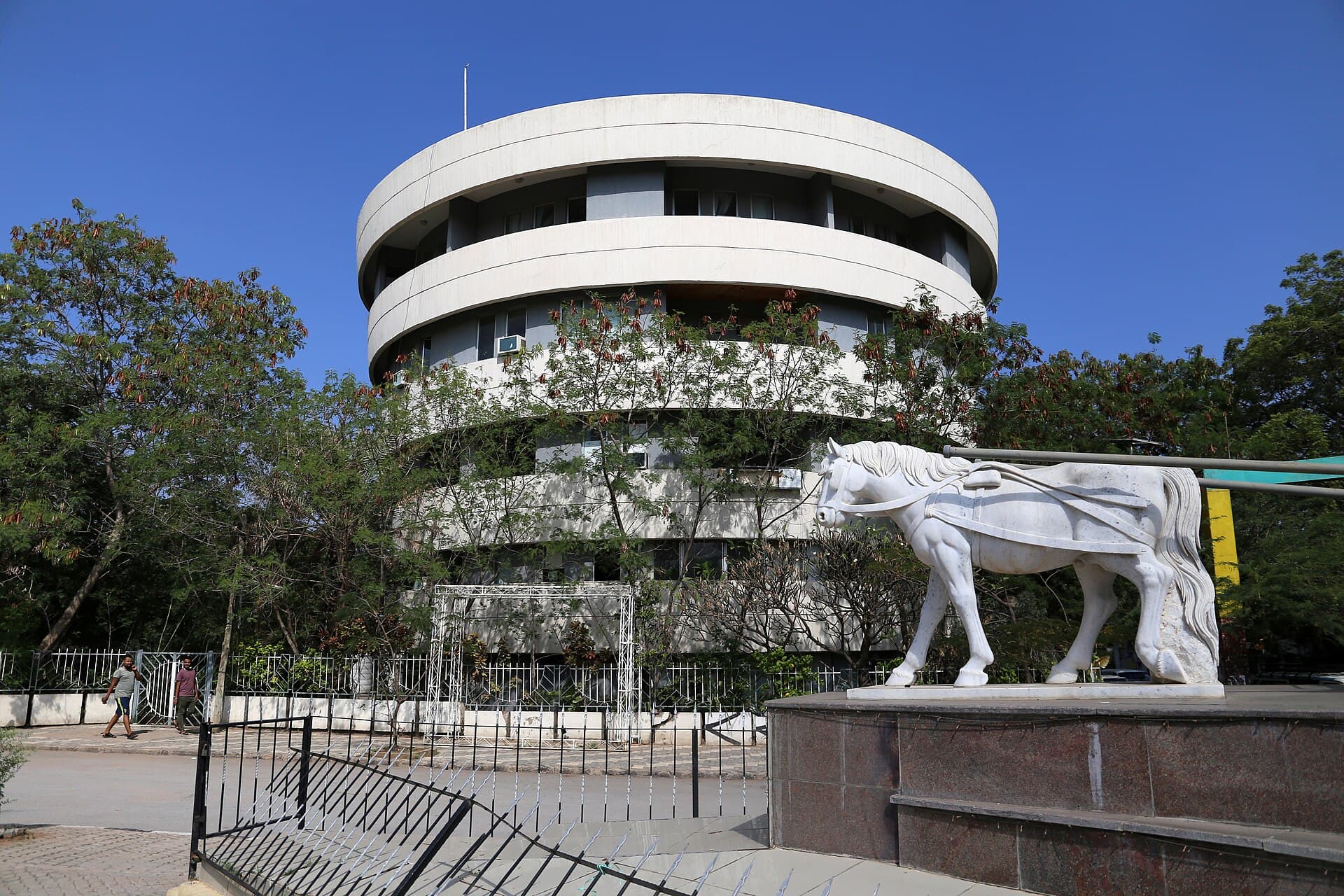 Sailko / CC BY 3.0, via Wikimedia Commons
“Where railway history meets lively markets and ancient rock art.”
Not the postcards. The stories even locals don't know — whispered in your ear, right where they happened.
The grand station, constructed by French engineers, holds more than just old tracks and carriages.
This modest cave near the city is considered a groundbreaking site in human history.
Beyond the activity of spices and textiles, this market has a unique connection to a local plant.
Discover every secret of Dire Dawa
Every address, every reveal in full — in your ear, right where it happened.
You pick your stops. You walk. The voice reveals what the others miss.
No tours available yet. Check back soon — we're preparing them.
Dire Dawa, Ethiopia's second-largest city, stands as a compelling crossroads in the eastern part of the country. Its very existence, born from the Ethio-Djibouti Railway in 1902, is a testament to the ambition of connecting the Ethiopian capital to the Red Sea port. The city is distinctly divided by the Dechatu River (often dry), creating two contrasting halves: Kezira, the planned European-influenced quarter with wide avenues and colonial architecture, and Megala, the older, more organically developed Islamic quarter centered around its animated markets.
While some travelers see Dire Dawa merely as a transit point to the ancient walled city of Harar, it offers a compelling blend of history, diverse cultures, and a relaxed atmosphere that rewards those who linger. The city's multicultural fabric is woven from the influences of Oromo, Somali, Amhara, Harari, Arab, French, Italian, and Greek communities, reflected in its architecture, cuisine, and daily life. Dire Dawa's strategic location at the foothills of the eastern Ethiopian highlands, combined with its railway heritage, makes it a singular urban center.
## The Railway's Genesis and a Planned City Dire Dawa's story begins not with ancient empires, but with a railway. In the late 19th century, Emperor Menelik II commissioned a railway line to connect Addis Ababa with the port of Djibouti. The original plan was to route the tracks through the historic city of Harar, but the steep terrain proved too challenging for the engineers. Consequently, a new settlement was established in the lowlands as a railway station, and on December 24, 1902, the first train arrived, marking Dire Dawa's official foundation.
Unlike most Ethiopian cities that grew organically over centuries, Dire Dawa was a meticulously planned city, largely designed by French engineers. This influence is still evident in Kezira, the northwestern part of the city, characterized by its regular street grid and colonial-era buildings. This district initially housed railway employees and later attracted various European and Arab traders, giving it a distinctly French character in its early years. The southeastern part, Megala, developed around the market and was primarily inhabited by Somali and Oromo communities.
## Growth, Conflict, and Modernization The railway quickly transformed Dire Dawa into a major trade hub, surpassing even Harar in commercial importance. The customs station for Red Sea trade was moved here in 1902, solidifying its economic role. The city continued to expand, with infrastructure improvements like the Dire Dawa-Harar road in 1928, significantly reducing travel time. The Bank of Ethiopia opened its first branch in Dire Dawa in 1931, further highlighting its growing economic status.
The mid-20th century brought periods of geopolitical change. Italian forces occupied the city from 1936 to 1941, introducing new buildings and airport expansions. Following Allied liberation, it was under British Military Administration until 1947 before being returned to Ethiopian control. In 2004, Dire Dawa became one of Ethiopia's two chartered cities, granting it a special administrative status. Today, with a projected population of 380,160 in 2026, Dire Dawa remains a vital industrial and commercial center, continuing its legacy as a gateway to eastern Ethiopia.
Dire Dawa offers a singular blend of historical sites and active local life. The Dire Dawa Railway Station stands as a significant landmark, symbolizing the city's origins and its role in Ethiopia's transportation history. You can explore the historic train station complex and its Railway Museum, which preserves the legacy of the Ethio-Djibouti Railway.
The city is divided into two distinct quarters: Kezira and Megala. Kezira showcases European-style buildings and broad streets, a legacy of its French planning. In contrast, Megala is the animated traditional quarter, home to the lively Kafira Market. This bustling open-air marketplace is a sensory experience, offering everything from spices and coffee to textiles and local crafts.
Beyond the city itself, Dire Dawa serves as a base for exploring ancient rock-art sites. Just 3km from town, Porc-Epic Cave overlooks the Dechatu River and contains extensive evidence of Middle Stone Age tools and rock art. Further afield, the more remote Laga Oda cave is said to hold hundreds of paintings of humans and animals. Another site, God-Ajewa cave, is located 28 km northeast of Dire Dawa and features camel paintings.
The best time to visit Dire Dawa is during the dry season, which runs from October to February. During these months, the weather is cooler and more comfortable for exploring the city and its surroundings. Temperatures in November, for example, typically range from 58-83°F (14-28°C). While the city generally experiences warm temperatures year-round, avoiding the heavier rainy season from July to August is advisable.
The official currency in Dire Dawa is the Ethiopian Birr (ETB), and it's recommended to carry some cash as not all establishments accept credit cards. Dire Dawa is generally considered safe for tourists, but exercising caution in crowded areas and being mindful of personal belongings is always wise. For transportation within the city, local taxis and bajajs (three-wheeled vehicles) are available, or you can opt for car rentals. Walking is also a good way to explore the city center.
When visiting religious sites, it's important to dress modestly as a sign of respect for local customs and traditions. Common greetings include 'Salam' (peace) and 'Selam' (hello), often accompanied by a handshake or nod. Accommodations range from luxury hotels to budget-friendly guesthouses, with advance booking recommended during peak seasons. Dire Dawa is accessible by air, with daily flights from Addis Ababa to Dire Dawa Airport.