Igreja Nossa Senhora do Carmo
One of Diamantina's most distinctive churches, Nossa Senhora do Carmo, features an unusual bell tower placement.
Full story unlocks in the tour
 Cleide Isabel / CC BY 2.0, via Wikimedia Commons
“Where colonial grandeur meets mountain wildness, etched in diamonds and time.”
Not the postcards. The stories even locals don't know — whispered in your ear, right where they happened.
One of Diamantina's most distinctive churches, Nossa Senhora do Carmo, features an unusual bell tower placement.
An elegant covered bridge spans a street in Diamantina, connecting two mansions in a unique architectural flourish.
The city's stone-paved streets, while charming, present a particular challenge for those on foot.
Discover every secret of Diamantina
Every address, every reveal in full — in your ear, right where it happened.
You pick your stops. You walk. The voice reveals what the others miss.
No tours available yet. Check back soon — we're preparing them.
Diamantina, a UNESCO World Heritage site in Brazil's Minas Gerais state, is a city where the echoes of an 18th-century diamond rush still resonate through its well-preserved colonial architecture. Founded as Arraial do Tijuco in 1713, the city's name, meaning "diamond" in Portuguese, speaks to its origins as a major diamond mining center. With a population of around 48,000, Diamantina offers a slower pace, inviting visitors to wander its stone-paved streets and explore its historic mansions and Baroque churches.
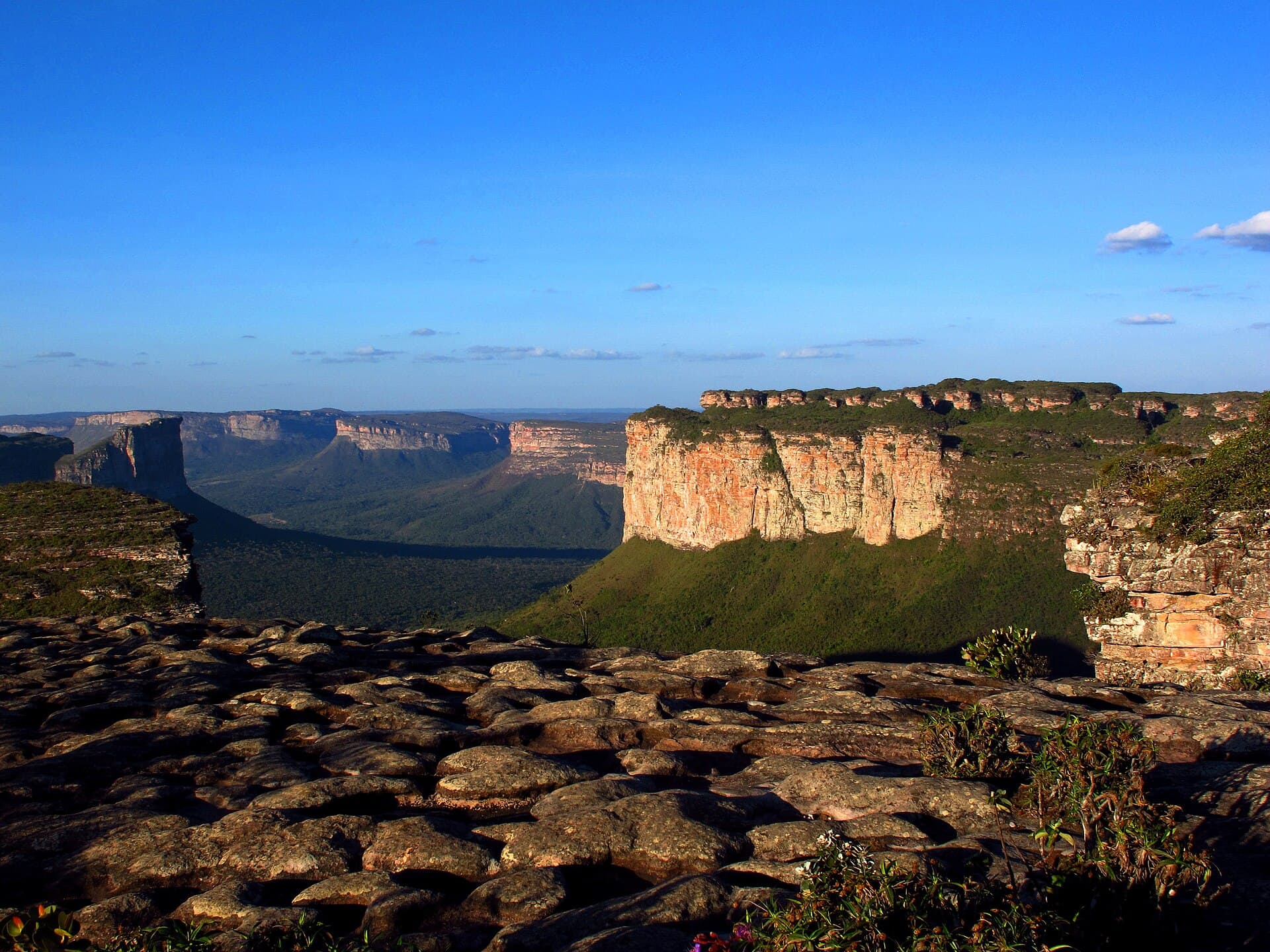
Beyond its architectural beauty, Diamantina is framed by the rugged Serra do Espinhaço mountains, providing a dramatic backdrop and opportunities for nature enthusiasts. The city's remote location in northern Minas Gerais has helped preserve its colonial character, making it a distinctive destination compared to other historic towns in the region. From lively festivals to traditional Minas Gerais cuisine, Diamantina offers a deep dive into Brazil's history and culture.
Diamantina's story begins in the early 18th century, around 1713, when it was established as Arraial do Tijuco by Bandeirantes explorers searching for gold and precious stones. The discovery of abundant diamond deposits between 1720 and 1729 transformed this modest settlement into a pivotal location within the Portuguese colonial empire. The Portuguese Crown, keen to control this newfound wealth, swiftly imposed a strict royal monopoly, establishing the Distrito Diamantino—a sealed district where all diamond extraction was under state control. This era of "Royal Extraction," beginning in 1771, profoundly shaped Diamantina's unique urban structure, with the city growing organically along the complex mountainous terrain.
During the 18th century, Diamantina became the dominant source of highlight diamonds globally, a position it maintained until the 1860s. The wealth generated by the diamond trade is evident in the city's exceptional ensemble of colonial Baroque architecture, characterized by regularly aligned 18th and 19th-century semi-detached houses, often painted in bright colors against white grounds, contrasting with the grey flagstone streets. The city emancipated from the municipality of Serro in 1831, officially adopting the name Diamantina, a clear nod to its primary resource.
Diamantina also holds significance in Brazilian national history as the birthplace of Juscelino Kubitschek in 1902, who later became president of Brazil and was the visionary behind the construction of Brasília. In 1938, its historical center was recognized as a national heritage site, and in 1999, UNESCO inscribed it on the World Heritage List, acknowledging its outstanding universal value and the complete preservation of its colonial character. Today, Diamantina continues to be a cultural and administrative hub for the surrounding region, maintaining its identity through music, education, and public life.
Begin your exploration at the Historic Center of Diamantina, a UNESCO World Heritage site, where colonial Baroque architecture lines stone-paved streets. Visit the Casa de Juscelino Kubitschek, the preserved childhood home of Brazil's former president, now a museum detailing his early life and political career. The Mercado Velho (Old Market) is a lively spot to experience local crafts, traditional Minas Gerais cuisine, and witness the city's ongoing history.
Explore Diamantina's numerous Baroque churches, such as the Igreja Nossa Senhora do Carmo, known for its unique bell tower placement, and the Igreja São Francisco de Assis. The Museu do Diamante (Diamond Museum) offers insights into the city's diamond mining past. Do not miss the Passadiço da Casa da Glória, an iconic covered bridge connecting two historic mansions over a street. For nature lovers, the surrounding Serra do Espinhaço mountains offer attractions like Biribiri State Park, with its waterfalls and a historic village, and the Cristais Waterfall for serene moments.
Diamantina experiences a mild tropical climate, making it comfortable to visit almost year-round. The dry season, from May to September, offers clear skies and pleasant temperatures, ideal for exploring the colonial streets and outdoor activities. During this period, daytime highs are around 70°F to 75°F (21°C to 24°C), though nights can be cooler, dropping to around 54°F (12°C), so a light jacket is advisable. The rainy season, from October to March, brings warmer, more humid weather and lush landscapes, with daily showers that tend to be short bursts. Major festivals, like the Winter Festival in July and Carnival, attract significant crowds, so booking accommodations in advance is recommended during these times.
Diamantina is located about 292 kilometers north of Belo Horizonte, the state capital. While there's no airport in Diamantina, the most common way to arrive is by flying into Tancredo Neves International Airport (CNF) near Belo Horizonte and then taking a bus or renting a car. The historic center is very walkable, but be prepared for hilly, uneven stone-paved streets. Public transportation within the town is limited, so comfortable walking shoes are essential. While generally safe, especially in the central historic district, it's wise to use registered taxis for late-night returns. Prices for dining and entertainment are typically lower than in larger Brazilian cities.