De Waag (The Weigh House)
Examine the exterior of Deventer's historic Weigh House, and a large, peculiar iron kettle comes into view.
Full story unlocks in the tour
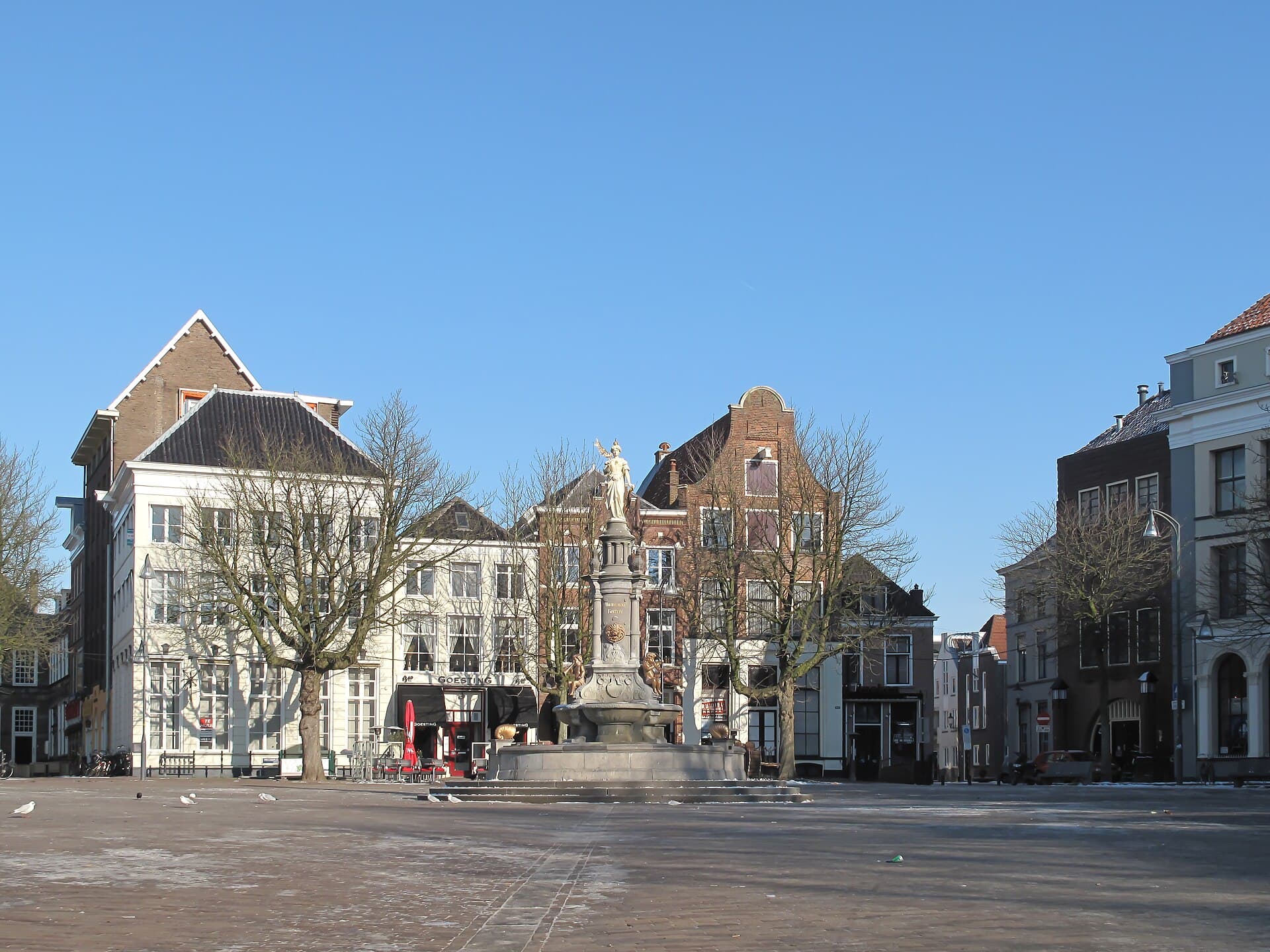 Michielverbeek / CC BY-SA 3.0, via Wikimedia Commons
“Where ancient trade routes meet literary charm on the IJssel.”
Not the postcards. The stories even locals don't know — whispered in your ear, right where they happened.
Examine the exterior of Deventer's historic Weigh House, and a large, peculiar iron kettle comes into view.
The towering Grote Kerk, a landmark of Deventer, was originally designed with a twin.
Despite its name, the 'Mountain Quarter' isn't actually mountainous at all.
Discover every secret of Deventer
Every address, every reveal in full — in your ear, right where it happened.
You pick your stops. You walk. The voice reveals what the others miss.
No tours available yet. Check back soon — we're preparing them.
Deventer, a venerable Hanseatic city along the IJssel River, invites wanderers to explore its deep connection to water and commerce. The city's brick facades and quiet courtyards speak of centuries of trade and intellectual pursuit. Here, the river's rhythm has long shaped daily life, from the bustling quaysides of bygone eras to the serene reflections seen today. It is a place where every alleyway seems to hold a memory, and the gentle lapping of the IJssel against its banks provides a constant, soothing soundtrack.
Walk through Deventer's ancient heart, and you will encounter a city that has gracefully aged, its character deepened by time. The air carries the scent of old books and fresh bread, a testament to its enduring literary tradition and culinary comforts. From its medieval origins as a trading hub to its modern-day appeal as a cultural center, Deventer offers a tranquil yet engaging escape, where the past is not merely preserved but lives on in the city's very fabric.
## Medieval Foundations and Hanseatic Power Deventer's story begins in the early Middle Ages, with its first settlements appearing around the 8th century. Its strategic position on the IJssel River quickly established it as a significant trading post. By the 10th century, it was a flourishing commercial center, issuing its own coinage and attracting merchants from across Europe. The city's involvement in the Hanseatic League, a powerful medieval trade confederation, solidified its economic prowess. This period saw the construction of impressive civic buildings and churches, many of which still stand, their sturdy brickwork a testament to the city's prosperity and ambition.
## The Golden Age of Printing and Humanism The 15th and 16th centuries marked Deventer's golden age, not just for trade but also for intellectual and cultural advancement. It became a renowned center for printing and education, particularly under the influence of the Brethren of the Common Life, a religious community that emphasized practical piety and education. Their schools attracted scholars and students from far and wide, fostering a lively humanist environment. The city's printing presses produced a wealth of books, contributing significantly to the spread of knowledge and ideas throughout Northern Europe. This era left an indelible mark on Deventer, shaping its identity as a city of letters.
## Decline, Revival, and Modern Character The glory days of the Hanseatic League waned with changing trade routes and political shifts. Deventer experienced periods of decline and conflict, including sieges and religious strife during the Reformation. However, its resilient spirit ensured its survival. The 19th and 20th centuries brought new industries and a renewed sense of purpose. Today, Deventer embraces its layered past, meticulously preserving its historic core while evolving into a contemporary city with a strong cultural identity. Its annual book market and Dickens Festival draw crowds, celebrating its enduring connection to literature and community.
Wander through the Bergkwartier, a district where narrow lanes wind past gabled houses, evoking a sense of earlier centuries. The Lebuinus Church, with its imposing tower, offers panoramic views of the city and river for those who climb its steps. The Deventer City Museum at De Waag, the old weigh house, showcases local art and artifacts within a striking medieval building. Explore the Athenaeum Library, one of the oldest public libraries in the Netherlands, its collection reflecting centuries of scholarly pursuit. A stroll along the IJssel quay provides serene river views and a chance to observe the city from a different perspective.
The spring and summer months, from April to September, offer pleasant weather for exploring Deventer's streets and riverside. The city is particularly lively during its annual events, such as the Deventer Book Market in August and the Dickens Festival in December, which transform the city into a festive spectacle.
Deventer is easily accessible by train, with direct connections from major Dutch cities. The city center is compact and best explored on foot, allowing for a leisurely pace through its historic areas. Bicycles are also a popular mode of transport, with rental options available. Many shops and restaurants accept major credit cards, though carrying some cash for smaller purchases or markets can be useful. Consider purchasing a 'Museumkaart' if you plan to visit multiple museums across the Netherlands, as it often includes Deventer's cultural institutions.