The Valley of Human Bodies
Beyond the 'Monkey Fingers' rock formations, there's a local legend about another set of unusual stone shapes.
Full story unlocks in the tour
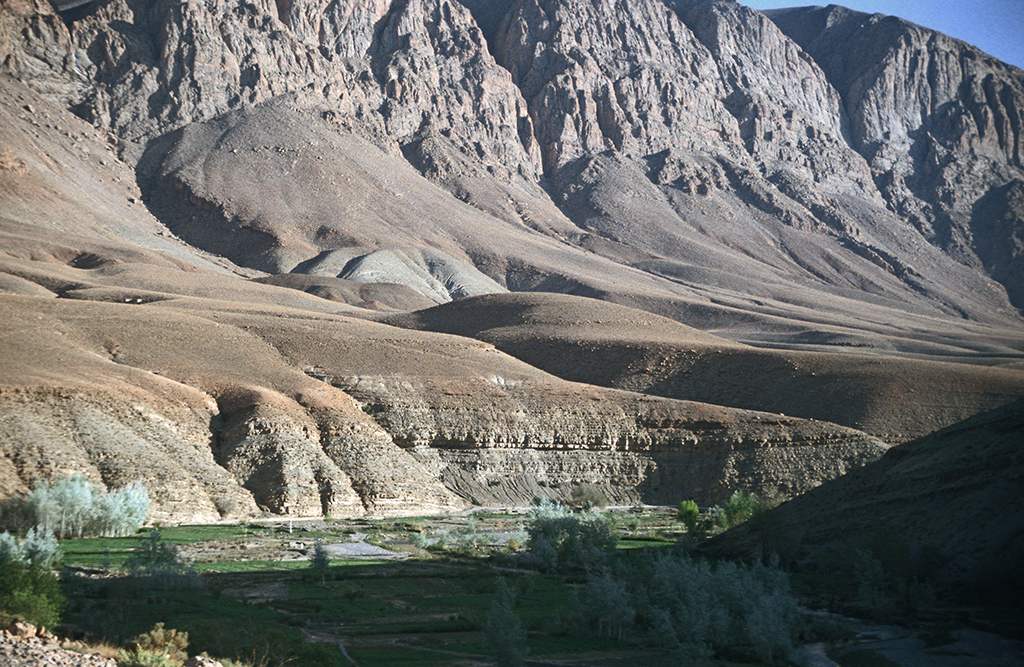 Hans Peter Schaefer (= Hps-poll) / CC BY-SA 3.0, via Wikimedia Commons
“Where ancient rivers carve tales into red rock.”
Not the postcards. The stories even locals don't know — whispered in your ear, right where they happened.
Beyond the 'Monkey Fingers' rock formations, there's a local legend about another set of unusual stone shapes.
The river that sculpted these dramatic gorges has a surprising seasonal transformation.
Within the Dadès Valley are silent witnesses to over a millennium of history.
Discover every secret of Dadès
Every address, every reveal in full — in your ear, right where it happened.
You pick your stops. You walk. The voice reveals what the others miss.
No tours available yet. Check back soon — we're preparing them.
The Dadès Valley, often referred to as the "Valley of a Thousand Kasbahs," is a striking destination within Morocco's High Atlas Mountains. Carved by the Dadès River over millions of years, this region features dramatic red rock formations, deep canyons, and lush oases that provide a verdant contrast to the arid surroundings. It is a place where geological marvels meet a profound cultural presence, offering a unique blend of natural splendor and historical depth.
Travelers are drawn to the Dadès Valley for its compelling scenery, particularly the Dadès Gorges, recognized for their towering rock walls and winding roads. The valley acts as a passageway to the Sahara Desert and is a favored stop for those seeking adventure, photography, or an immersion into traditional Berber life. From dramatic switchbacks to serene palm groves, the Dadès Valley provides a journey through time and nature that leaves a lasting impression.
The history of the Dadès Valley extends back thousands of years, with the Berber people, indigenous to North Africa, inhabiting this region for millennia. They established communities along the fertile banks of the Dadès River, utilizing its waters for agriculture and sustaining their livelihoods through farming and trade. The valley's geological formations themselves date back over 400 million years, when the area lay at the bottom of the sea. Vast quantities of sediment, including limestone and sandstone, were deposited around coral reefs, later compacted and uplifted by the movement of the Earth's crust to form the Atlas Mountains.
Throughout history, the Dadès Valley served as a strategic route for trade and travel, connecting the Sahara Desert to the northern cities of Morocco. Caravans transported goods like spices, gold, and salt, facilitating an exchange of ideas, cultures, and traditions that shaped the valley's unique identity. Various empires and dynasties, including the Almoravids and Almohads during the medieval period, exerted influence over the region, constructing fortifications and settlements. The valley is dotted with kasbahs, fortified mud-brick structures that once served as defensive strongholds and residences, many of which are centuries old. These architectural wonders are a testament to the ingenuity and resilience of the Berber people, showcasing traditional construction techniques adapted to the desert environment.
The cultural significance of the Dadès Valley is deeply rooted in its Berber heritage. Traditional Berber architecture, language (Tamazight), music, dance, and crafts are all integral to the local way of life. Festivals and celebrations throughout the year showcase these traditions, fostering a strong sense of community. Agricultural practices, such as terrace farming and the use of ancient irrigation systems called khettaras, have been passed down through generations, demonstrating a sustainable relationship with the land. Today, the Dadès Valley continues to preserve its profound history and local culture, offering visitors a captivating journey through Morocco's past and present.
The Dadès Gorges are recognized for their towering rock walls and the Dadès River carving its way through the canyon. One of the most iconic sights is the zigzagging road with its sharp hairpin bends, offering sweeping views over the valley. Many consider this a highlight of any road trip through Morocco.
Another distinctive feature is the "Monkey Fingers" rock formations, eroded sandstone pillars that resemble giant stone fingers rising from the earth. These are best viewed during the golden hour, either early morning or late afternoon, when the light accentuates their contours. The valley is also dotted with traditional Berber villages and ancient kasbahs, offering a glimpse into local life and historical architecture. Notable kasbahs include Kasbah Ait Youl, a well-preserved fortress. Hiking trails abound, ranging from easy walks along the Dadès River, past terraced gardens and orchards, to more challenging treks through the gorges. For those visiting in spring, the nearby Valley of Roses, celebrated for its extensive rose fields and annual Rose Festival in May, is a worthwhile side trip.
The ideal times to visit the Dadès Gorges are during spring (March to May) and autumn (September to November). During these seasons, the weather is mild and pleasant, making it perfect for exploring the gorges and hiking. Spring brings lush greenery, blossoming almond trees, and wildflowers to the valley. While summers can be very hot, with temperatures often exceeding 35°C (95°F), and winters can be chilly, especially at higher elevations, spring and autumn offer the best balance of comfortable temperatures and vivid landscapes.
The most flexible way to explore the Dadès Gorges is by renting a car, as guided tours into the gorge's iconic switchbacks are generally not available for large buses. The roads are mostly paved and in good condition, but expect sharp curves and mountain driving. Fuel up in larger towns like Ouarzazate or Tinghir before entering the gorge. Public transportation to the gorges is limited, typically involving buses or shared taxis to Boumalne Dadès, followed by local transport to the deeper parts of the valley.
Accommodation options include traditional riads and boutique guesthouses, many of which are family-run and offer rooftop terraces with valley views. Booking in advance is recommended during peak seasons. Mobile connectivity can be unreliable deeper in the gorge, though Wi-Fi is usually available in accommodations. Remember to pack layers, as mountain temperatures can fluctuate, with hot days and cool evenings.