Lubenice
The village of Lubenice, high on a cliff, holds a secret beneath its ancient stones that draws visitors to a challenging descent.
Full story unlocks in the tour
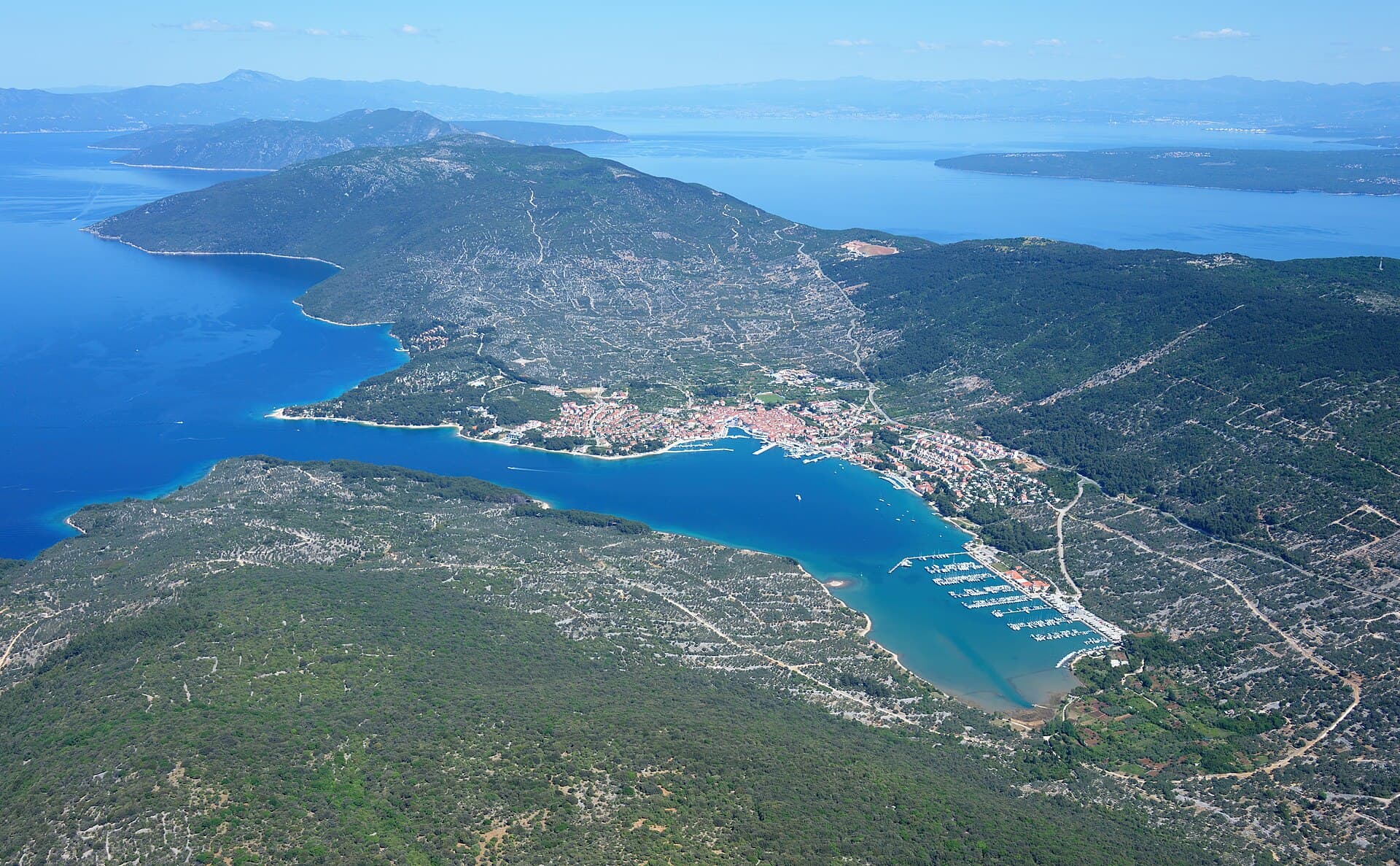 Carsten Steger / CC BY-SA 4.0, via Wikimedia Commons
“Where ancient stones meet the wild Adriatic, and silence speaks volumes.”
Not the postcards. The stories even locals don't know — whispered in your ear, right where they happened.
The village of Lubenice, high on a cliff, holds a secret beneath its ancient stones that draws visitors to a challenging descent.
The town of Osor, now a tranquil historical site, was once a bustling hub with a surprising geographical feature that shaped its destiny.
Cres is home to a freshwater lake that provides drinking water to two islands, yet local lore suggests a submerged secret within its depths.
Discover every secret of Cres
Every address, every reveal in full — in your ear, right where it happened.
You pick your stops. You walk. The voice reveals what the others miss.
No tours available yet. Check back soon — we're preparing them.
Cres, one of Croatia's largest islands, offers a rugged and serene escape in the Kvarner Gulf. Unlike some of its more developed neighbors, Cres maintains a wilder character, with landscapes ranging from dense forests to dramatic rocky coasts. The island is a haven for nature enthusiasts, with clear beaches, ancient stone villages, and a commitment to wildlife conservation, particularly as one of Europe's last habitats for the endangered Eurasian Griffon vulture.
Life on Cres moves at a slower pace, inviting visitors to unwind and connect with its unspoiled environment. The main town, also named Cres, captivates with its narrow streets and Venetian-influenced architecture, offering an authentic Mediterranean charm. Whether exploring historical sites, hiking scenic trails, or simply enjoying the clear Adriatic waters, Cres provides a tranquil retreat that blends natural beauty with a profound past.
Cres has a history stretching back to the Paleolithic era, with archaeological finds indicating human settlement in the Stone Age. The first known residents were the Illyrian tribe of Liburni, who established settlements on the island around the 7th century BC. These skilled seafarers recognized the strategic advantages of the Osor channel and port area, which was once a crucial point on the Amber Road.
The Romans arrived in the 2nd century AD, making Cres part of the province of Liburnia. During Roman times, settlements like Cres, Osor, and Beli were significant. The islands of Cres and Lošinj, originally one landmass, were separated by an artificially dug canal near Osor to facilitate trade.
After the fall of the Roman Empire, Cres became part of the Byzantine Empire. Slavs arrived in the early 9th century, and by the 10th century, Cres was part of the Croatian state, as evidenced by Glagolitic inscriptions. However, the Republic of Venice began to assert control in the 10th and 11th centuries, eventually ruling the island for extended periods.
The Venetian administration, particularly from the 15th century, marked a period of economic prosperity and cultural flourishing. Cres town became the economic and administrative center of the archipelago. The Venetians constructed palaces and churches, and their influence is still visible in the town's architecture, including its city gates and facades. Shipbuilding and fishing also developed during this era.
Following the fall of Venice in 1797, Cres became part of the Habsburg monarchy, bringing a period of peace and modernization. The 19th century saw an economic boom driven by agriculture, particularly olive oil production and livestock farming. After World War I, Cres was ceded to Italy under the 1920 Treaty of Rapallo. This Italian rule continued until after World War II, when the island was annexed to Yugoslavia in 1947. Finally, with Croatia's declaration of independence in 1991, Cres became part of independent Croatia.
The town of Cres is a natural starting point, with its inviting old town, narrow stone streets, and Venetian architectural details. Explore the three intact city gates—Gradska Vrata, Mala Vrata, and Vrata Sv Mikule—and the Arsan Palace, which houses the Cres Museum. The main square, Trg Frane Petrića, with its 16th-century loggia and clock tower, remains a lively hub.
For a glimpse into traditional island life, visit Valun, a picturesque fishing village known for its small-town atmosphere and pebbly beaches like Zdovica and Raca. Valun also holds the Valun Tablet, an 11th-century Glagolitic-inscribed tombstone, displayed in its parish church. Further south, the ancient hilltop village of Lubenice, dating back 4,000 years, offers sweeping views and access to Sveti Ivan beach, often cited as one of Croatia's most beautiful. The Blue Grotto (Plava Grota) in Žanje Bay, near Lubenice, is also worth a boat trip for its mesmerizing illuminated interior.
Nature lovers should head north to Beli, home to the Beli Visitor Centre and Rescue Centre for Griffon Vultures, dedicated to protecting these rare birds that nest on cliffs above the sea. The Tramuntana forest in the northern part of the island offers marked hiking and cycling trails, leading to abandoned villages, caves, and unique sculptures. Cres also features Lake Vrana, a freshwater lake that supplies drinking water to both Cres and Lošinj.
The best times to visit Cres are late May to June and September. During these periods, temperatures are pleasant, ranging from 20-26°C (68-79°F), and crowds are fewer, leading to lower prices. The sea temperatures are also warm enough for swimming, around 22-23°C (72-73°F). Spring (April-May) is ideal for hiking and cycling, with comfortable temperatures and blooming landscapes. July and August are peak season, with the warmest temperatures (up to 29°C/84°F) and sunniest days, but also the most crowds and highest prices.
Reaching Cres is primarily by ferry. Car ferries connect Brestova on the mainland to Porozina on Cres (20 minutes), and Valbiska on Krk to Merag on Cres (25 minutes). It's advisable to arrive at least 30 minutes before departure, especially with a vehicle during summer. A daily catamaran service also runs from Rijeka to Cres town, continuing to Mali Lošinj. While public bus services connect main towns, their frequency can be limited, particularly in less populated areas. Renting a car provides the most flexibility for exploring the island's winding roads and remote spots. The local currency is the Euro.